
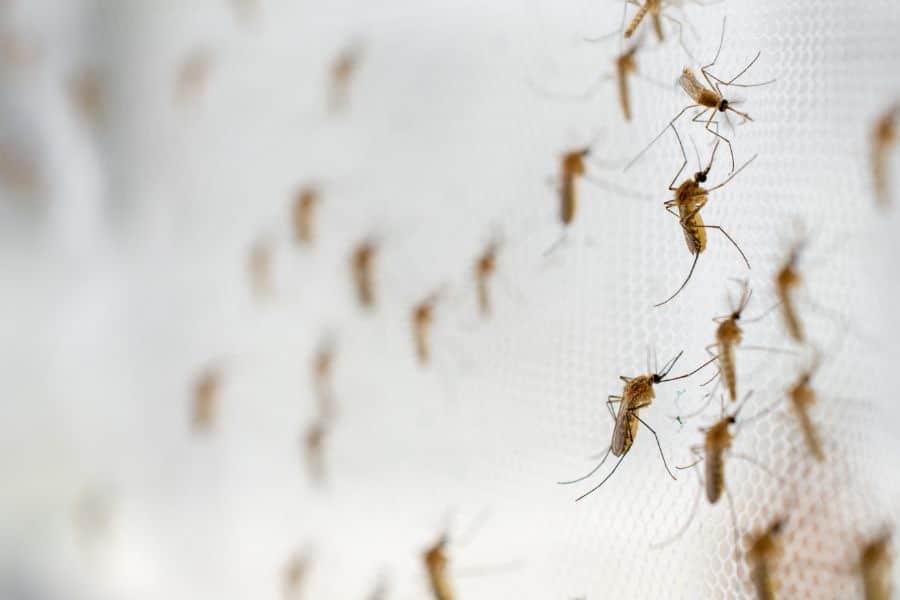
Wake Forest homeowners know the challenge well: you invest in store-bought mosquito control products, apply them diligently to your yard, yet within days those buzzing pests return. The reality is that professional mosquito fogging delivers results that big-box sprays simply cannot match. Understanding why this difference exists can save you time, money, and countless uncomfortable evenings outdoors.
What Makes Professional-Grade Formulations Different From Store Products?
Walk into any hardware store and you’ll find shelves lined with consumer mosquito sprays. These products might seem like an economical choice, but the formulation tells a different story. Professional treatments contain synthetic pyrethroids at concentrations designed for weeks of protection, while store-bought options typically offer diluted versions that break down within days.
Active ingredient concentration matters:
- Professional formulations: Contain micro-encapsulated pyrethroids that bond to vegetation and surfaces, releasing active ingredients slowly over 14-21 days
- Consumer products: Feature lower concentrations that wash away quickly with rain or irrigation, requiring constant reapplication
- Residual effectiveness: Licensed technicians apply products that continue working long after they dry, while store sprays lose potency within 48-72 hours
- Weather resistance: Professional-grade treatments include additives that help formulations stick to leaves and bark, staying effective through typical Wake Forest weather patterns
The humid subtropical climate in Wake Forest creates perfect conditions for mosquitoes to thrive. Professional treatments account for local environmental factors that generic store products ignore. When rain arrives within hours of application, homeowners watch their investment literally wash down the driveway. Professional formulations, on the other hand, bond to surfaces before weather can compromise them.
Our technicians at Wake Pest see this pattern repeatedly: homeowners spend weeks battling mosquitoes with retail products before calling us. Within one professional treatment, they experience what they’d been missing. The difference isn’t just about stronger chemicals; it’s about understanding mosquito biology and applying the right solution to the right places at the right concentration.
Comparison of treatment longevity:
| Treatment Type | Effective Duration | Weather Resistance | Reapplication Needed |
|---|---|---|---|
| Store-Bought Spray | 2-5 days | Low | Weekly or more |
| Store-Bought Fogger | 3-7 days | Very Low | Weekly |
| Professional Barrier Treatment | 14-21 days | High | Every 3 weeks |
| Professional Fogging with Larvicide | 21-30 days | High | Monthly |
How Does Application Coverage Impact Long-Term Mosquito Reduction?
Mosquitoes don’t just hover in open spaces waiting to be sprayed. They hide under leaves, beneath deck boards, in dense vegetation, and along fence lines. Effective mosquito control requires reaching these hiding spots, which demands both the right equipment and knowledge of mosquito behavior.
Store-bought foggers release clouds of insecticide that drift upward and dissipate quickly. The fine mist might kill some flying mosquitoes at the moment of contact, but it fails to reach the shaded areas where mosquitoes rest during daylight hours. Professional backpack fogging equipment, on the other hand, generates droplets sized specifically to penetrate vegetation and coat the undersides of leaves where adult mosquitoes spend 90% of their time.
Critical coverage areas often missed by DIY treatments:
- Underside of leaves: Mosquitoes rest on the bottom of foliage where they’re protected from sun and predators; professional technicians angle spray to reach these surfaces
- Dense shrub interiors: Big-box sprayers lack the pressure to penetrate thick vegetation, leaving mosquito harborage sites untreated
- Ground-level vegetation: Ivy, groundcover, and mulched areas harbor mosquitoes; professionals treat these zones while homeowners often overlook them
- Property perimeters: Mosquitoes migrate from neighboring yards; professional treatments create barrier zones that retail products miss
In Wake Forest neighborhoods like Heritage and Falls River, properties often back up to wooded areas or greenways. Mosquitoes breed in these natural spaces and migrate into yards throughout the day. Professional technicians understand these movement patterns and treat accordingly, establishing treated zones that intercept mosquitoes before they reach outdoor living spaces.
We train our team to think like mosquitoes. Where would you hide if you were a tiny insect trying to avoid the North Carolina sun? Once you know those spots, treatment becomes strategic rather than just spraying everywhere and hoping for results. That knowledge separates weekend warriors from professionals.
Why Do Mosquito Breeding Sites Require Specialized Treatment Approaches?
Adult mosquitoes represent only part of the problem. Each female mosquito lays hundreds of eggs in standing water, and those eggs become biting adults within two weeks. Breaking this reproduction cycle requires treating water sources with products designed specifically for larvae, something store-bought sprays cannot do.
Professional mosquito programs include larvicide applications to standing water sources. These products contain bacteria like Bacillus thuringiensis israelensis (BTI) or growth regulators like methoprene that prevent larvae from maturing. When technicians identify birdbaths, clogged gutters, flower pot saucers, or decorative pond edges, they apply granular or liquid larvicides that continue working for weeks.
Standing water treatment comparison:
| Water Source | DIY Approach | Professional Treatment | Result Difference |
|---|---|---|---|
| Decorative Ponds | Cannot treat safely | Fish-safe larvicide tablets | Eliminates larvae without harming fish |
| Birdbaths | Frequent water changes | Controlled-release granules | 30-day protection vs daily maintenance |
| Clogged Gutters | Often overlooked | Inspection and treatment | Eliminates major breeding source |
| Tree Holes | Inaccessible | Specialized application tools | Treats hidden breeding sites |
Near Stadium Drive and other areas close to Smith Creek and the Neuse River greenways, natural water sources constantly replenish mosquito populations. Professional treatments account for these larger breeding areas by creating treated zones that protect properties even when nearby water sources remain active. Store-bought products lack this strategic approach, treating only what homeowners can see rather than addressing the entire mosquito lifecycle.
The frequency of rainfall in Wake Forest compounds this challenge. Summer thunderstorms create temporary puddles in tire ruts, plant saucers, and low spots across lawns. These water sources disappear within days, but that’s enough time for mosquitoes to complete their aquatic life stages. Professional programs include regular visits timed to address these cyclical breeding opportunities.
Can Equipment Quality Really Affect Treatment Success Rates?
The difference between a $30 pump sprayer from a hardware store and professional application equipment isn’t just about price. Professional-grade backpack sprayers and ULV (ultra-low volume) foggers deliver precise droplet sizes, consistent pressure, and reliable coverage that consumer equipment cannot match.
Consumer pump sprayers require constant re-pressurizing, leading to inconsistent application rates. As pressure drops, so does droplet size and coverage distance. Homeowners often under-apply in some areas and over-apply in others, wasting product while leaving gaps in protection. Professional equipment maintains consistent pressure throughout the application, delivering uniform coverage across entire properties.
Equipment capabilities that impact results:
- Droplet size control: Professional foggers produce 10-30 micron particles that stay airborne longer and penetrate vegetation better than coarse sprays from consumer equipment
- Application pressure: Commercial sprayers maintain 40-90 PSI consistently, while consumer models drop below 20 PSI, reducing coverage and penetration
- Tank capacity: Professional backpack units hold 3-4 gallons, allowing technicians to treat entire properties without refilling; consumer sprayers require multiple refills
- Nozzle technology: Adjustable commercial nozzles deliver specific spray patterns for different vegetation types; retail sprayers offer limited control
When homeowners ask why their treatments don’t last, we often discover they’re using equipment that can’t deliver product where it needs to go. You can have the best formulation available, but if your sprayer turns it into large droplets that roll off leaves instead of coating them, you’ve wasted your money.
The physical demands of thorough mosquito treatment also favor professional service. Treating a typical half-acre Wake Forest property requires 30-45 minutes of continuous application, covering thousands of square feet of vegetation. Consumer equipment becomes heavy and uncomfortable, leading homeowners to rush through treatments or skip difficult areas. Professional technicians use ergonomically designed equipment and complete treatments systematically, from property perimeter inward.
How Does Technician Training Create Better Mosquito Control Outcomes?
Reading product labels provides basic instructions, but effective mosquito control requires understanding local species, seasonal activity patterns, and environmental factors. Licensed pest control technicians complete extensive training covering mosquito biology, product chemistry, application techniques, and safety protocols. This education creates treatment plans that address specific property challenges rather than following one-size-fits-all approaches.
Wake Forest’s location near multiple watersheds means properties host different mosquito species with varying behaviors. Asian tiger mosquitoes bite during daylight hours and breed in small containers. Northern house mosquitoes prefer dusk activity and breed in stagnant pools. Culex mosquitoes, which transmit West Nile virus, seek bird baths and poorly maintained swimming pools. Professional technicians identify these species and adjust treatment timing and locations accordingly.
Training advantages that improve treatment effectiveness:
- Species identification: Technicians recognize mosquito species by sight and adjust treatments based on specific behavioral patterns and breeding preferences
- Property assessment: Trained professionals identify potential breeding sites that homeowners overlook, from low spots in landscaping to gaps in tree bark
- Product selection: Experience guides product choices based on vegetation types, water sources, and proximity to sensitive areas like vegetable gardens
- Application timing: Understanding when mosquitoes are most active ensures treatments reach target insects at vulnerable times in their daily cycle
Environmental stewardship represents another area where training matters. Professional technicians know how to protect beneficial insects like butterflies and bees while controlling mosquitoes. They time treatments to avoid flowering periods, select products with minimal impact on pollinators, and create treatment plans that focus on mosquito harborage areas rather than blanket-spraying entire properties.
Our licensing requires continuing education every year. We learn about new products, application techniques, and pest biology discoveries. That ongoing education means our treatments evolve with the latest science, giving customers results that reflect current best practices rather than outdated methods.
What Role Does Integrated Pest Management Play in Professional Services?
Store-bought products offer single-tactic solutions: spray and hope for the best. Professional mosquito control employs integrated pest management (IPM) strategies that combine multiple approaches for comprehensive, sustainable results. IPM reduces reliance on chemicals alone by addressing the environmental conditions that allow mosquitoes to thrive.
During initial property inspections, technicians identify factors contributing to mosquito problems beyond just where to spray. They note areas with poor drainage, recommend vegetation management, suggest lighting changes that attract fewer insects, and advise on water feature maintenance. This consultative approach addresses root causes rather than just treating symptoms.
IPM strategies that retail products cannot provide:
- Habitat modification recommendations: Professionals identify landscaping changes that reduce mosquito harborage without requiring chemical treatment
- Source reduction guidance: Technicians educate homeowners about eliminating breeding sites, multiplying treatment effectiveness
- Monitoring and adjustment: Regular service visits allow professionals to track mosquito activity and adjust treatments seasonally
- Targeted treatment zones: Rather than treating entire properties uniformly, professionals concentrate products where mosquitoes actually congregate
The seasonal nature of mosquito activity in Wake Forest demands adaptive strategies. Early spring treatments focus on preventing populations from establishing. Mid-summer programs combat peak activity when heat and humidity create ideal conditions. Fall treatments address late-season mosquitoes that seek shelter near structures. This seasonal approach requires planning and expertise that one-time retail purchases cannot deliver.
Seasonal mosquito activity and treatment focus:
| Season | Mosquito Activity Level | Primary Treatment Focus | DIY Limitation |
|---|---|---|---|
| Early Spring (March-April) | Low to Moderate | Larvicide in overwintering sites | Cannot identify dormant breeding areas |
| Late Spring (May-June) | Increasing | Barrier treatments plus breeding site elimination | Misses optimal prevention window |
| Summer (July-August) | Peak Activity | Intensive coverage with shortened treatment intervals | Cannot maintain consistent treatment schedule |
| Fall (September-October) | Declining | Perimeter treatments as mosquitoes seek shelter | Often stops treatments too early |
How Do Weather Conditions Affect DIY Versus Professional Treatments?
Wake Forest receives approximately 45 inches of rainfall annually, with summer thunderstorms arriving frequently and unpredictably. Weather resistance separates professional formulations from consumer products in dramatic fashion. When homeowners apply store-bought sprays in the morning and rain arrives that afternoon, they’ve accomplished nothing except wasting product and time.
Professional treatments account for weather patterns in multiple ways. Technicians check forecasts before scheduling applications, avoiding treatments when rain will arrive within 24 hours. The products themselves contain bonding agents that help them adhere to surfaces and resist wash-off. If unexpected rain occurs, professional companies typically offer re-treatment guarantees that consumer product manufacturers cannot match.
Weather-related treatment considerations:
- Drying time requirements: Professional products dry within 30 minutes to 1 hour, becoming rain-resistant quickly; some consumer sprays require several hours
- Temperature optimization: Technicians avoid treating during temperature extremes that reduce product effectiveness; DIY applicators rarely consider this factor
- Wind conditions: Professional training includes wind speed limits for safe, effective application; homeowners often spray in conditions that waste product through drift
- Humidity factors: High humidity affects how products spread and adhere; professionals adjust application rates accordingly while consumer products offer no such guidance
The afternoon thunderstorm pattern common in Wake Forest during summer months illustrates this challenge perfectly. Morning applications of retail products often get washed away by 3 p.m. storms. Professional services schedule treatments during weather windows that maximize product performance, and they track local weather patterns to optimize timing.
We’ve watched homeowners struggle with the spray-and-pray approach, treating their yards every weekend because rain keeps washing their work away. When we explain how our products bond to leaf surfaces and resist rain once dried, they understand why professional service actually costs less than constantly buying retail products that don’t last.
What Safety and Environmental Factors Should Wake Forest Homeowners Consider?
Product safety extends beyond just reading labels. Professional technicians understand how different formulations interact with various surfaces, vegetation types, and water features. They know which products are safe for use near vegetable gardens, fish ponds, and areas where children and pets play. This knowledge prevents the environmental damage and health risks that can result from improper product selection or application.
Store-bought mosquito products often lack specific guidance for unique property features. A homeowner treating near their koi pond might not realize certain pyrethroids are toxic to fish. Someone spraying near their vegetable garden might exceed the waiting period before harvest. Professional applicators account for these factors automatically, selecting appropriate products and creating buffer zones where needed.
Safety considerations in professional mosquito control:
- Product selection for sensitive areas: Professionals choose formulations safe for specific property features, from aquatic gardens to pet areas to food plants
- Application technique training: Licensed technicians know how to prevent drift, avoid contamination, and minimize exposure risks
- Re-entry timing guidance: Clear communication about when treated areas are safe for use, accounting for drying times and product-specific restrictions
- Proper protective equipment: Professional applicators use appropriate PPE for each product, something homeowners often skip
The environmental impact of mosquito control also favors professional service. Targeted applications use less total product while achieving better results than homeowners broadcasting chemicals across entire properties. Professional programs emphasize treating mosquito harborage areas and breeding sites rather than blanket coverage, reducing the volume of pesticides introduced into the environment.
Beneficial insect protection represents another area where professional expertise matters. Bees, butterflies, and other pollinators provide critical ecosystem services. Professional treatments avoid flowering plants during peak pollinator activity and select products with shorter residual effects on non-target insects. These considerations require knowledge and planning that retail product users typically lack.
Does the True Cost of DIY Mosquito Control Exceed Professional Service?
The initial price of a store-bought fogger or spray bottle seems attractive compared to professional service quotes. When you calculate actual costs over a mosquito season, though, the economics shift dramatically. A single can of consumer mosquito spray might cost $15-25 and provide 3-5 days of limited protection. Treating a typical Wake Forest yard requires multiple applications weekly, quickly exceeding the cost of professional service.
Cost comparison for seasonal mosquito control:
| Treatment Approach | Product Cost | Applications Needed (April-October) | Total Season Cost | Effectiveness Rating |
|---|---|---|---|---|
| Store Spray (weekly) | $20 per can | 28 applications | $560 | Limited, inconsistent |
| Store Fogger (weekly) | $35 per treatment | 28 applications | $980 | Moderate, short-term |
| Professional Service (every 3 weeks) | $75-125 per visit | 9-10 applications | $675-1,250 | High, consistent |
| Professional Service (monthly) | $100-150 per visit | 7 applications | $700-1,050 | High, comprehensive |
Time investment adds another cost dimension that homeowners often overlook. Treating a property thoroughly takes 45-60 minutes per application. Over a season, DIY efforts consume 20+ hours that could be spent enjoying the outdoor spaces you’re trying to protect. Professional service eliminates this time investment while delivering superior results.
Equipment costs compound the DIY expense. A quality pump sprayer runs $80-150. Backpack models cost $200-400. Protective equipment, including respirators, gloves, and eye protection, adds another $50-100. Homeowners who invest in proper equipment to match professional application standards quickly approach or exceed the cost of hiring experts who already own this gear.
When customers show us receipts from their DIY mosquito control efforts over a summer, they’re often shocked to see they spent more than our seasonal program would have cost. Plus they dealt with equipment maintenance, product storage, and disposal, and they still had mosquito problems. Professional service removes all those headaches while actually solving the problem.
How Do Professional Guarantees Protect Your Investment in Mosquito Control?
Purchase a can of mosquito spray from a big-box store and you’re on your own if it doesn’t work. Professional mosquito control companies, on the other hand, typically offer satisfaction guarantees that ensure you get the results you’re paying for. If mosquitoes return between scheduled treatments, most companies re-treat at no additional cost.
These guarantees reflect confidence in both products and application methods. Companies know their professional-grade formulations applied by trained technicians will deliver results. They can afford to guarantee their work because proper treatment prevents mosquito problems reliably. Consumer product manufacturers cannot offer similar assurances because too many variables affect how homeowners apply their products.
Value additions in professional mosquito programs:
- Satisfaction guarantees: If mosquitoes return within the treatment window, companies re-treat without additional charges
- Seasonal planning: Scheduled treatments arrive on time without homeowners needing to remember or plan applications
- Property monitoring: Regular technician visits allow professionals to spot developing problems before they become major infestations
- Expertise access: Questions about mosquito behavior, product safety, or treatment optimization get answered by trained professionals
The convenience factor should not be underestimated. Professional service means no product shopping, no equipment maintenance, no chemical storage, and no application time. Technicians arrive on schedule, complete treatments thoroughly, and communicate results clearly. This hassle-free approach has value beyond just the monetary cost comparison.
Risk management also favors professional service. Homeowners who misapply products risk environmental damage, health issues, or property damage. Professional companies carry insurance covering these possibilities. They follow strict application protocols that minimize risks while maintaining effectiveness.
Frequently Asked Questions
How long do professional mosquito treatments last compared to store-bought products?
Professional barrier treatments remain effective for 14-21 days, while store-bought sprays typically last 2-5 days before reapplication becomes needed. Professional formulations use micro-encapsulated technology that provides sustained release of active ingredients. Weather resistance also differs significantly, with professional products bonding to surfaces better than consumer alternatives.
Can I achieve professional-level mosquito control using store products?
Store products lack the concentration, formulation quality, and application equipment required for professional-level control. Even with proper technique, consumer-grade sprays cannot penetrate vegetation thoroughly, resist weather effectively, or provide the residual protection that professional treatments deliver. The gap between amateur and professional results comes down to product quality and application expertise.
What makes mosquito fogging more effective than regular spraying?
Fogging produces fine droplets that stay airborne longer and penetrate vegetation better than coarse spray patterns. Professional foggers reach the undersides of leaves where mosquitoes rest, while standard sprayers mostly coat upper surfaces. The small particle size allows fog to drift into dense vegetation and hard-to-reach areas that spray applications miss completely.
Are professional mosquito treatments safe for children and pets?
Professional products are safe once dried, typically within 30 minutes to 1 hour after application. Technicians schedule treatments when children and pets are inside, and they provide clear re-entry timing. Professional applicators also select products appropriate for each property’s specific features, avoiding formulations that might pose risks near gardens, ponds, or play areas.
Why do mosquitoes return quickly after using store-bought foggers?
Consumer foggers provide temporary knockdown of flying mosquitoes but don’t create lasting barriers or address breeding sites. The fog dissipates within hours and leaves no residual protection. Mosquitoes hiding in vegetation during fogging emerge unharmed once the fog clears. Without larvicide treatment and barrier establishment, new mosquitoes replace the ones briefly eliminated.
How do weather patterns in Wake Forest affect DIY mosquito control?
Wake Forest’s frequent summer thunderstorms wash away consumer products before they provide meaningful protection. Professional treatments resist rain once dried and include weather-timing strategies that optimize effectiveness. Homeowners applying retail products often waste time and money when afternoon storms arrive hours after morning applications, requiring complete re-treatment.
What training do professional mosquito control technicians receive?
Licensed technicians complete state-mandated training covering pest biology, product chemistry, application techniques, environmental protection, and safety protocols. They maintain certifications through continuing education requirements. This training enables professionals to identify mosquito species, assess properties accurately, select appropriate products, and adjust treatments based on seasonal patterns and local conditions.
Do professional treatments eliminate mosquitoes completely?
Complete elimination is impossible since mosquitoes continuously migrate from neighboring properties and natural areas. Professional treatments reduce populations by 85-90%, making outdoor spaces comfortable and usable. The goal is population suppression to levels where mosquitoes no longer interfere with outdoor activities, not total eradication which isn’t realistic or achievable.
Conclusion
The difference between professional mosquito fogging and big-box sprays comes down to product quality, application expertise, and comprehensive treatment strategies. While consumer products offer temporary relief, professional services deliver sustained protection through superior formulations, proper equipment, technician training, and integrated pest management approaches. For Wake Forest homeowners tired of fighting losing battles against mosquitoes, professional treatment provides the solution that retail products promise but cannot deliver.
Our team at Wake Pest understands the unique challenges Wake Forest properties face with mosquito pressure from greenways, creeks, and wooded areas. We combine professional-grade products with expert application techniques to create outdoor spaces you can actually enjoy. If you’re ready to reclaim your yard from mosquitoes with treatment that works, contact Wake Pest to schedule your first professional mosquito control service.