
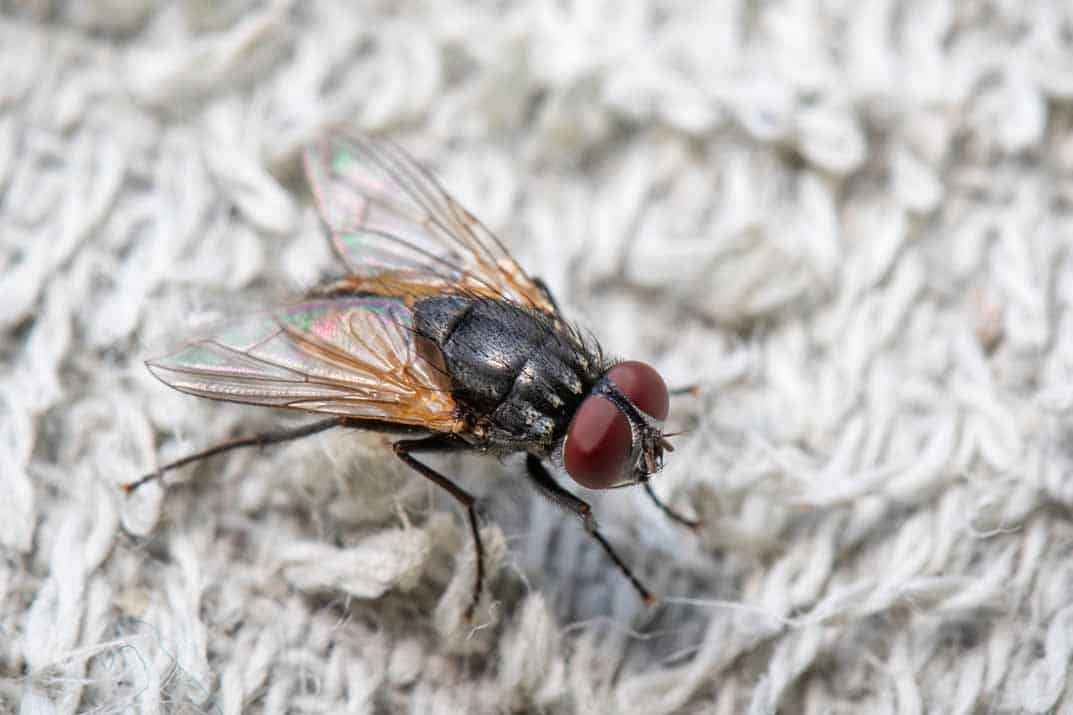
Raleigh homeowners face fly challenges throughout the year, with each season bringing distinct patterns of infestation and behavior. Understanding when different fly species become active allows you to implement targeted prevention strategies before populations spike. This seasonal calendar breaks down what to expect during each period and provides specific control measures tailored to Raleigh’s unique climate and geography.
What Makes Raleigh’s Climate Ideal for Year-Round Fly Activity?
Raleigh’s humid subtropical climate creates conditions that support fly populations across all twelve months. The city experiences mild winters with average temperatures rarely dipping below freezing for extended periods, allowing many fly species to survive indoors or in protected outdoor areas. Summer brings high humidity levels between 70-80%, which accelerates fly breeding cycles and extends their active periods.
Temperature and humidity factors that influence fly populations:
- Moderate winter lows: January temperatures averaging 40°F mean cluster flies and other overwintering species remain dormant rather than dying off completely, leading to faster spring emergence
- Extended warm seasons: Raleigh’s growing season stretches from mid-March through late November, giving flies additional months to reproduce compared to northern regions
- High summer moisture: The combination of heat and humidity creates perfect breeding conditions, with some species completing their life cycle in just 7-10 days
- Frequent precipitation: Raleigh receives roughly 43 inches of rain annually, creating standing water that serves as breeding sites for many fly species
The city’s position in the Piedmont region also means varied terrain from the flatlands near Lake Johnson to the rolling hills approaching Umstead Park. This topographical diversity creates microclimates where different fly species thrive. Areas near bodies of water like Shelley Lake experience higher populations of aquatic-breeding flies, while residential neighborhoods along the Method Road corridor face challenges from fruit flies and house flies attracted to human activity.
We see homeowners make the mistake of thinking fly problems only occur during summer months. Raleigh’s mild climate means you need a prevention strategy that adapts throughout the year, not just reactive treatments when you notice swarms.
Seasonal fly control requires understanding not just temperature ranges but also how Raleigh’s specific environmental factors create favorable conditions. The Triangle’s urban heat island effect means temperatures in developed areas can run 5-7 degrees warmer than surrounding rural zones, extending fly activity periods in neighborhoods with dense housing and commercial development.
When Do Spring Flies Begin Emerging in Raleigh Neighborhoods?
Spring fly emergence in Raleigh typically begins in mid-March when daytime temperatures consistently reach 55-60°F. Lake Johnson neighborhoods often see the first activity because the water body moderates temperatures and provides early breeding sites. This period brings cluster flies emerging from wall voids where they overwintered, along with the first generation of house flies hatching from organic matter that accumulated during winter.
Key spring fly species and their emergence patterns:
| Fly Species | Peak Emergence Period | Primary Breeding Sites | Activity Level |
|---|---|---|---|
| Cluster Flies | Mid-March to Early April | Wall voids, attics | Moderate to High |
| House Flies | Late March to Mid-April | Compost, pet waste, garbage | High |
| Blow Flies | Early April to Late April | Dead animals, meat scraps | Moderate |
| Fruit Flies | Late April to Early May | Overripe produce, drains | Low to Moderate |
Spring prevention measures for Raleigh homeowners:
- Seal exterior gaps before April: Inspect foundation cracks, window frames, and door sweeps during late winter to prevent cluster flies from entering as they wake from dormancy
- Clean gutters and downspouts: Remove accumulated organic debris that becomes breeding material once spring rains begin, paying special attention if your property borders wooded areas like those near Umstead Park
- Manage yard waste properly: Compost piles should be turned weekly and kept at least 50 feet from your home’s foundation during peak emergence months
- Install window screens: Replace or repair screens before temperatures reach 65°F, when flies become actively seeking indoor spaces
- Address moisture issues: Fix leaking outdoor faucets and improve drainage around crawl spaces, as standing water attracts the first spring populations
Spring represents a critical control window because fly populations remain relatively small. A single female house fly can lay up to 500 eggs during her lifetime, and with warmer weather approaching, those eggs develop rapidly. Addressing breeding sites in April prevents exponential growth by June.
March and April are when we focus on exclusion work for our Raleigh clients. The flies that emerge in spring are coming from somewhere, and finding those harborage sites before summer reproduction kicks into high gear saves homeowners significant frustration later.
Properties near Lake Johnson face unique spring challenges because warming water temperatures trigger early insect hatches that attract fly predators, which then become nuisances themselves. These areas benefit from Fly Control services that account for proximity to aquatic environments and adjust treatment zones accordingly.
How Do Summer Conditions Affect Fly Populations Near Shelley Lake?
Summer brings peak fly activity to Raleigh between late May and early September, with populations reaching maximum density during July and August. Shelley Lake area residents experience particularly intense pressure because the water body creates humidity pockets that extend breeding opportunities. Temperatures consistently above 80°F combined with afternoon thunderstorms create a cycle where new fly generations emerge every week.
Summer fly population growth factors:
| Environmental Factor | Impact on Fly Reproduction | Peak Intensity Period | Control Priority |
|---|---|---|---|
| High humidity (75-85%) | Accelerates egg hatching by 30-40% | June through August | Critical |
| Frequent rain events | Creates temporary breeding pools | July through September | High |
| Extended daylight | Increases feeding and mating activity | May through July | Moderate |
| Abundant food sources | Supports larger larval survival rates | June through August | Critical |
House flies dominate summer populations around residential areas, with each female capable of producing 5-6 generations during the warm months. Garbage that sits curbside for even 24 hours can attract hundreds of flies, and outdoor pet feeding areas become major congregation points. The Method Road corridor sees heavy commercial activity that generates organic waste, making adjacent residential properties particularly vulnerable to fly pressure.
Summer control strategies that work in Raleigh’s heat:
- Intensive sanitation schedules: Empty indoor and outdoor trash bins every 2-3 days rather than weekly, since high temperatures accelerate decomposition and egg development
- Target moisture management: Run dehumidifiers in basements and crawl spaces to keep humidity below 50%, making these areas less attractive for breeding
- Time outdoor activities strategically: Flies are most active between 10 AM and 4 PM during summer, so schedule outdoor dining for early morning or evening when populations are less aggressive
- Maintain landscaping barriers: Keep grass trimmed to 3 inches or less and prune shrubs away from foundations to reduce resting sites and improve air circulation that discourages fly activity
- Deploy targeted treatments: Apply residual insecticides to fly resting areas like under eaves, around doorways, and on sunny exterior walls where flies congregate during peak heat
Professional treatments during summer often incorporate multiple approaches because the sheer volume of flies requires both immediate knockdown and long-term population suppression. Baiting programs work well for outdoor areas, while indoor spaces benefit from crack-and-crevice treatments that target where flies rest overnight.
Properties backing onto wooded areas near Umstead Park face additional summer challenges from deer flies and horse flies attracted to the forest edge habitat. These biting species are larger and more aggressive than common house flies, requiring different control methods that account for their flight patterns and preferred host-seeking behaviors.
Summer fly control in Raleigh isn’t about eliminating every single fly, that’s unrealistic given the reproduction rates. Instead, we focus on reducing populations to tolerable levels and preventing indoor entry, which is where homeowners notice the biggest quality-of-life improvements.
What Changes Occur During Fall Fly Season Near Umstead Park?
Fall brings significant behavioral shifts as flies prepare for winter survival. Starting in mid-September, many species begin seeking protected overwintering sites, leading to increased attempts to enter homes and structures. Properties near Umstead Park experience particularly heavy pressure during October because cooling temperatures in the forested areas drive flies toward the warmth of nearby buildings.
Cluster flies become the dominant concern during fall months, often appearing in large numbers on south-facing exterior walls that receive afternoon sun. These flies aren’t breeding during fall but instead congregating before finding cracks and crevices where they’ll spend winter in a semi-dormant state. A single wall void can harbor thousands of cluster flies, which then emerge the following spring.
Fall fly behavior patterns in Raleigh neighborhoods:
- Increased indoor invasion attempts: Flies actively seek entry points as outdoor temperatures drop below 60°F, with peak invasion occurring during warm afternoon periods in October and November
- Congregation on warm surfaces: Exterior walls, particularly those facing south or west, attract large fly clusters on sunny days as they thermoregulate before finding overwintering sites
- Reduced breeding activity: House fly and fruit fly reproduction slows significantly after late September, making sanitation less critical but exclusion more important
- Species composition shifts: Cluster flies and face flies become the primary nuisance species, replacing the house flies and blow flies that dominated summer months
Prevention priorities for fall months:
| Control Measure | Timing | Effectiveness | Target Species |
|---|---|---|---|
| Exterior perimeter treatment | Early to Mid-September | High | Cluster flies, house flies |
| Attic and wall void exclusion | Late September | Very High | Cluster flies, overwintering species |
| Window and door sealing | October | High | All species |
| Gutter cleaning and debris removal | November | Moderate | House flies, blow flies |
The Method Road corridor experiences different fall patterns than residential areas near parks. Commercial properties generate consistent waste streams that support house fly populations well into November, and the urban heat island effect means temperatures stay warm enough for continued breeding several weeks longer than in suburban zones.
Fall treatments focus on preventing the establishment of overwintering populations rather than killing active flies. Applying residual insecticides to potential entry points during September creates a barrier that remains effective through winter, preventing spring emergence problems before they develop.
We tell homeowners that fall treatments are an investment in next spring’s comfort. The cluster flies trying to get into your attic in October are the same ones that will swarm your windows in March if you don’t stop them now.
Why Do Winter Flies Still Present Challenges in Raleigh Homes?
Raleigh’s mild winters mean fly activity never completely stops, just shifts predominantly indoors. December through February brings the lowest outdoor fly populations of the year, but heated homes create perfect environments for drain flies, fruit flies, and awakened cluster flies. Indoor temperatures of 68-72°F trick these insects into remaining active when they would otherwise be dormant.
Cluster flies represent the most common winter nuisance because they overwinter inside wall voids and attics. Warm sunny days can cause them to become temporarily active and migrate into living spaces through light fixtures, electrical outlets, and ceiling penetrations. A single warm spell in January might bring dozens of flies out of dormancy, confusing homeowners who expect winter to be fly-free.
Winter fly sources and prevention strategies:
- Drain flies in bathrooms and basements: These small flies breed in the organic film that accumulates in sink drains, shower drains, and floor drains, with populations peaking when indoor humidity from heating systems creates ideal conditions
- Fruit flies near kitchens: Winter produce storage, particularly onions and potatoes kept in pantries, provides breeding sites, while recycling bins with unwashed containers attract persistent populations
- Cluster flies from wall voids: Temperature fluctuations cause periodic emergence into living spaces, particularly in rooms with south-facing exterior walls that heat up on sunny winter days
- Fungus gnats from houseplants: Overwatering indoor plants during winter creates fungus growth in soil that supports gnat larvae, with each plant potentially producing hundreds of adults
Professional winter treatments differ significantly from warm-season approaches. Rather than focusing on exterior perimeters, technicians address indoor sources through drain treatments, crack-and-crevice applications in areas where cluster flies hide, and identifying moisture issues that support continued breeding.
Winter fly management checklist:
| Problem Area | Inspection Focus | Treatment Approach | Frequency |
|---|---|---|---|
| Kitchen drains | Organic buildup, standing water | Enzyme cleaners, mechanical cleaning | Monthly |
| Basement moisture | Humidity levels, water intrusion | Dehumidification, source repair | Ongoing |
| Attic spaces | Cluster fly presence, entry points | Exclusion, monitoring | One-time assessment |
| Houseplant soil | Overwatering, fungus growth | Reduced watering, soil replacement | As needed |
Lake Johnson and Shelley Lake neighborhoods face unique winter challenges because proximity to water bodies means higher ambient humidity even during cold months. This moisture supports drain fly and fungus gnat populations that might otherwise die off in drier homes.
Which Control Methods Work Best for Each Season in Raleigh?
Seasonal fly management requires rotating control methods to match fly behavior patterns and environmental conditions. What works during July’s heat and humidity fails during October’s cooling temperatures, and treatments that prevent spring emergence differ entirely from summer population suppression strategies.
Spring control methods (March-May):
- Exclusion-focused treatments: Seal cracks and gaps before emerging flies become active, focusing on foundations, window frames, and roof-wall junctions where cluster flies overwinter
- Residual perimeter applications: Apply long-lasting insecticides to exterior surfaces in early April, creating barriers before house fly populations explode
- Breeding site elimination: Remove accumulated organic debris from gutters, clean up winter yard waste, and turn compost piles weekly to disrupt early-generation development
- Mechanical controls: Install fresh window screens and repair door sweeps before temperatures consistently reach 65°F and fly activity intensifies
Summer control methods (June-September):
- Intensive sanitation programs: Empty trash containers every 2-3 days, clean outdoor surfaces weekly, and remove pet waste daily to eliminate the abundant food sources supporting massive populations
- Baiting strategies: Deploy fly baits in outdoor areas where flies congregate, rotating bait types monthly to prevent resistance development
- Targeted residual treatments: Focus applications on fly resting areas like under eaves and around doorways rather than broadcasting across entire properties
- Indoor monitoring systems: Use sticky traps to identify entry points and determine whether indoor populations are breeding or infiltrating from outside
Fall control methods (October-November):
- Pre-overwintering barriers: Apply treatments to potential cluster fly entry points during September before mass aggregations begin
- Attic and wall void exclusion: Seal larger gaps and cracks that allow access to overwintering sites, preventing spring emergence problems
- Reduced sanitation intensity: Maintain clean conditions but recognize that breeding activity is declining naturally with temperatures
- Monitoring and documentation: Track where flies attempt entry to guide next year’s prevention planning
Winter control methods (December-February):
- Indoor source elimination: Focus on drain cleaning, moisture control, and houseplant management rather than exterior treatments
- Selective cluster fly management: Address specific rooms where overwintering flies emerge rather than whole-house treatments
- Preparation for spring: Use winter months to repair exclusion points and plan spring prevention strategies
The biggest mistake we see is homeowners using the same approach all year long. Summer’s heat requires aggressive sanitation and population knockdown, while fall needs exclusion work to prevent winter problems. Matching your strategy to the season makes control programs three times more effective.
Properties throughout Raleigh benefit from professional Fly Control programs that adapt tactics seasonally. Technicians familiar with local conditions understand that Lake Johnson properties need spring drainage work, Shelley Lake homes require summer humidity management, and Method Road corridor locations face year-round pressure from commercial waste sources.
Combining multiple control methods during each season produces better results than relying on any single approach. Exclusion work prevents entry, sanitation eliminates breeding sites, targeted treatments reduce active populations, and monitoring identifies whether the program is working or needs adjustment.
Frequently Asked Questions About Seasonal Fly Control in Raleigh
When should I schedule professional fly treatments?
Schedule treatments in early April before spring fly emergence and again in September before cluster flies seek overwintering sites. These two timing windows prevent the majority of annual fly problems by addressing populations before they establish rather than after infestations develop.
Do all fly species follow the same seasonal patterns?
No, different species peak at different times. House flies dominate June through August, cluster flies concentrate activity in April and October, fruit flies peak during late summer harvest season, and drain flies can occur year-round indoors when moisture conditions support them.
Why do I see more flies after it rains?
Rain creates temporary breeding sites in puddles, saturated mulch, and clogged gutters. Standing water provides egg-laying sites, and increased humidity accelerates larval development. Fly populations can spike 7-10 days after major rain events as new generations emerge from these water sources.
Are flies worse near lakes and parks in Raleigh?
Properties near water bodies like Lake Johnson and Shelley Lake typically experience higher fly populations because water moderates temperatures and provides breeding habitat. Parks like Umstead create forest-edge environments that support different fly species compared to urban neighborhoods, requiring location-specific control approaches.
Can I prevent cluster flies from entering my attic?
Yes, through proper exclusion work completed before September. Seal gaps around roof vents, soffit areas, and where utilities enter the home. Cluster flies need surprisingly small openings to access attics, so thorough sealing combined with residual treatments creates effective barriers against overwintering populations.
Do winter temperatures kill fly populations in Raleigh?
Raleigh’s mild winters rarely produce extended freezes that eliminate outdoor fly populations. Many species survive in protected areas or remain active indoors where heating systems maintain warm temperatures. This means year-round vigilance is needed rather than relying on winter to provide natural control.
How long do professional fly treatments remain effective?
Residual treatments typically provide 60-90 days of protection during spring and fall but may require more frequent reapplication during summer when heat and rain degrade insecticides faster. Treatment longevity also depends on sanitation practices and whether breeding sites are eliminated alongside chemical applications.
Should I treat flies differently in commercial versus residential properties?
Commercial properties require more intensive programs because consistent waste generation and higher occupancy create continuous fly pressure. Restaurants and food service locations need weekly sanitation inspections and treatments, while residential properties often achieve good control with seasonal applications and proper exclusion work.
Get Professional Seasonal Fly Control in Raleigh
Managing fly populations throughout Raleigh’s changing seasons requires understanding local climate patterns, species behavior, and proper timing of control measures. Our technicians work with homeowners to develop customized programs that adapt to your property’s specific challenges, whether you’re dealing with spring emergence near Lake Johnson, summer populations around Shelley Lake, fall invasion pressure by Umstead Park, or winter activity along the Method Road corridor.
Professional fly control addresses current infestations while preventing future problems through exclusion work, breeding site elimination, and targeted treatments matched to seasonal conditions. Contact Wake Pest to schedule an inspection and receive a seasonal fly management plan designed for your Raleigh property’s unique needs.