
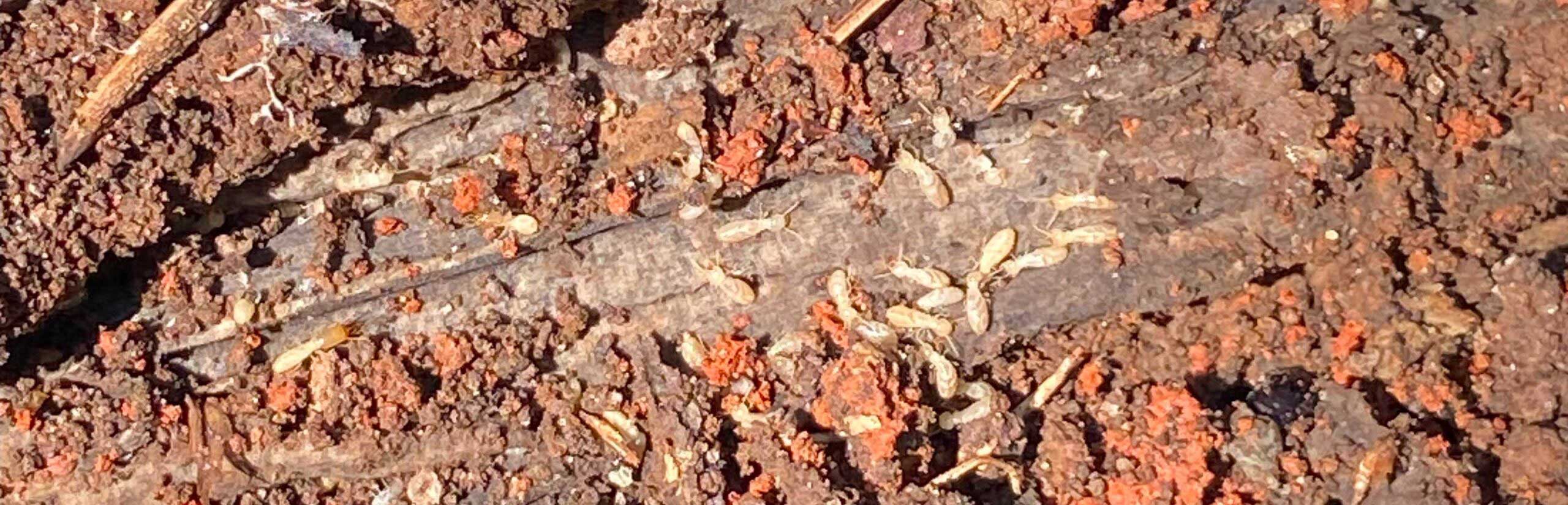
Spring in Wake Forest brings blooming dogwoods, warming temperatures, and an unwelcome visitor: termite swarms. If you’ve spotted winged insects gathering near your windows or foundation, you’re witnessing one of nature’s most organized invasions. These aren’t random flying bugs. They’re reproductive termites on a mission to establish new colonies, and your home might be their target destination.
Why Do Termites Swarm in Wake Forest During Spring?
Termite swarms follow predictable patterns tied directly to our local climate conditions. When soil temperatures reach 70°F and humidity levels climb after spring rains, subterranean termite colonies release their reproductives. This biological trigger happens most frequently between late March and early June in our area.
The timing isn’t coincidental. Termites need specific environmental conditions to survive their brief flight and establish new colonies. Wake Forest’s combination of clay-rich soil, mature tree coverage, and spring moisture creates perfect conditions for termite activity. Areas near Wake Forest Reservoir and the wooded sections around Heritage High School see particularly intense swarm activity because of elevated moisture levels and abundant wood debris.
“We track swarm reports across Wake Forest each spring, and the pattern is consistent year after year. Within 48 hours of a significant rain event when temperatures hit the mid-70s, we receive dozens of calls about flying insects near foundations and windowsills. These aren’t random occurrences. They’re coordinated releases from established colonies, and they indicate active termite populations in the immediate area.” – Wake Pest Termite Specialists
What triggers a termite swarm:
- Temperature threshold: Soil temperatures must reach and maintain 70°F for at least three consecutive days before colonies release swarmers
- Moisture activation: Spring rainfall saturates soil, raising humidity above 80% and signaling colonies that conditions support new colony establishment
- Daylight duration: Increasing day length in spring triggers hormonal changes in reproductive termites, preparing them for their mating flight
- Colony maturity: Only established colonies that are at least three years old produce swarmers, meaning nearby activity indicates long-term termite presence
- Synchronized release: Multiple colonies in the same area release swarmers simultaneously, increasing the chances of successful mating and colony formation
How Can You Tell if Those Flying Insects Are Actually Termites?
Many homeowners confuse termite swarmers with flying ants, leading to delayed action when quick intervention matters most. The differences become obvious once you know what to look for, and accurate identification determines whether you need immediate Termite Control or can relax.
Termite swarmers measure about 3/8 inch long and appear almost black or dark brown. Their most distinctive feature is their body shape: unlike ants, termites have thick, straight waists without the pinched middle section. Both pairs of wings extend the same length, roughly twice as long as their bodies, and these wings have a translucent, iridescent quality that catches light.
Physical characteristics that identify termite swarmers:
- Body structure: Straight, tube-like bodies with no waist constriction, uniform width from head to abdomen, and soft exoskeletons that appear smooth rather than segmented
- Antennae formation: Straight antennae without bends or elbows, appearing like tiny threads extending from their heads
- Wing configuration: Four wings of identical length, stacked flat over their backs when at rest, with visible veining patterns that look like fine mesh
- Behavior patterns: Poor fliers that move in erratic patterns, often dropping wings within minutes of landing, leaving small piles of discarded wings near entry points
- Attraction to light: Strong positive phototaxis means they swarm toward windows, glass doors, and outdoor lights during evening hours
Termite vs. Flying Ant Comparison
| Feature | Termite Swarmer | Flying Ant |
|---|---|---|
| Body Shape | Straight, thick waist | Pinched, narrow waist |
| Wing Length | Equal length (both pairs) | Front wings longer than back |
| Antennae | Straight, bead-like | Bent, elbow-shaped |
| Color | Dark brown to black | Red, black, or brown |
| Flight Duration | Brief (under 30 minutes) | Extended (several hours) |
| Wing Shedding | Drops wings immediately | Retains wings longer |
“The most reliable way to distinguish termites from ants is the wing test. If you find piles of discarded wings on windowsills or near exterior doors, you’re looking at termite evidence. Ants keep their wings attached much longer. We also check for the straight waist versus the pinched waist, and the antennae structure. These three factors together give us immediate confirmation.” – Wake Pest Termite Specialists
What Does a Termite Swarm Mean for Your Wake Forest Home?
Discovering a termite swarm near your property requires immediate attention, not panic. The presence of swarmers tells you several important things about termite activity in your area, and understanding what you’re seeing helps you respond appropriately.
A swarm near your home means an established termite colony exists within 100 feet of where you spotted the swarmers. Subterranean termites, the species responsible for most damage in Wake Forest, typically swarm close to their original colony location. If you see swarmers inside your home, the situation becomes more serious because it indicates an active infestation within your structure.
The swarmers themselves cause no damage. They’re reproductive termites whose sole purpose is mating and starting new colonies. Their brief flight lasts only 30 minutes to an hour, after which they shed their wings and search for suitable soil contact points to begin new colonies. The real concern is what their presence reveals about existing termite activity.
What termite swarm location tells you:
- Exterior swarms: Swarmers gathering outside your home, near the foundation, or around outdoor structures indicate established colonies in your yard or neighboring properties, with high probability of future home invasion
- Interior swarms: Termites emerging inside your home confirm active infestation within your walls, floors, or structural timbers, requiring immediate professional inspection and treatment
- Window accumulations: Large numbers of swarmers or discarded wings on windowsills show termites attempting to exit an interior infestation, or exterior colonies near windows and entry points
- Multiple swarm locations: Observing swarmers at different points around your property suggests multiple colonies or a very large, mature colony with extensive underground tunnel networks
- Recurring annual swarms: Seeing termite swarms at the same location year after year confirms established, growing colonies that will continue producing new swarmers until treated
Where Do Termite Swarms Happen Most Often in Wake Forest?
Certain areas of Wake Forest experience heavier termite pressure based on soil composition, tree coverage, and development patterns. Understanding these local risk factors helps homeowners assess their property’s vulnerability.
Downtown Wake Forest’s older neighborhoods, particularly those with mature oak and pine trees, see consistent annual swarms. The combination of aged wooden structures, established landscaping, and original construction methods creates favorable conditions for termite establishment. Homes built before 1990 often lack the physical termite barriers and treated lumber that newer construction incorporates.
The Heritage High area and neighborhoods surrounding Wake Forest Reservoir face elevated risk because of higher moisture levels. Termites need moisture to survive, and proximity to water sources keeps soil humidity levels in their preferred range. Properties with poor drainage, sprinkler systems near foundations, or downspouts that empty close to the house create artificial moisture zones that attract termite colonies.
“Geographic patterns in termite activity are remarkably consistent across Wake Forest. We map every swarm report and service call, and the data shows clear hotspots. Areas with mature trees, older homes, and poor drainage see the highest concentration of termite problems. Holding Village properties built in the 1980s and early 1990s require more frequent monitoring than newer developments with modern termite prevention features.” – Wake Pest Termite Specialists
High-risk property characteristics in Wake Forest:
- Older construction: Homes built before modern building codes adopted termite prevention measures, lacking physical barriers, treated lumber, and proper foundation ventilation that resist termite access
- Mature landscaping: Properties with large trees, extensive mulch beds, and wood-based landscaping features that provide food sources and maintain high soil moisture near foundations
- Drainage problems: Yards with standing water, clogged gutters, poorly graded soil, or malfunctioning drainage systems that keep foundation areas consistently damp
- Wood-to-ground contact: Structural elements including deck posts, porch columns, wooden steps, or siding that touches soil, creating direct termite access routes into homes
- Proximity to wooded areas: Homes backing to tree lines, natural areas, or undeveloped lots where termite colonies establish in fallen trees and underground root systems before expanding to nearby structures
Termite Risk by Wake Forest Neighborhood
| Area | Risk Level | Primary Factors |
|---|---|---|
| Downtown Wake Forest | High | Older homes, mature trees, original construction |
| Heritage High Area | High | Elevated moisture, older development, wooded lots |
| Near Wake Forest Reservoir | Very High | Proximity to water, high humidity, tree coverage |
| Holding Village | Moderate-High | 1980s-1990s construction, established landscaping |
| Newer Developments (post-2010) | Moderate | Modern construction, treated lumber, proper drainage |
What Should You Do When You Spot a Termite Swarm?
Your response to a termite swarm matters more than the swarm itself. Taking appropriate action within the first few days of discovery can prevent thousands of dollars in future damage, while delayed response allows newly formed colonies to establish themselves around your property.
First, collect evidence. Use a piece of clear tape to capture several swarmers or gather discarded wings from windowsills into a clear container. This physical evidence helps professionals confirm identification and document the extent of swarmer activity. Take photos showing where you found the swarmers, noting whether they appeared inside or outside your home.
Second, contact a professional inspector immediately. While the swarmers themselves are harmless, their presence demands professional evaluation. A qualified termite inspector will examine your property’s foundation, crawl spaces, and structural timbers for signs of active termite damage or current infestation. They’ll also identify conducive conditions around your property that attract termites and recommend corrections.
Immediate steps after discovering a swarm:
- Document the evidence: Collect wing samples in a sealed plastic bag, photograph swarmer locations, note the time of day and weather conditions, and record how many swarmers you observed
- Avoid pesticide use: Spraying visible swarmers with household insecticides kills only the reproductives you can see without affecting the colony producing them, and may drive termites deeper into concealed areas
- Remove moisture sources: Fix leaking faucets, redirect downspouts away from foundations, repair clogged gutters, and address any drainage problems that keep soil near your home consistently wet
- Schedule professional inspection: Contact licensed pest control professionals within 48 hours of discovery for comprehensive property evaluation and treatment recommendations
- Check neighboring properties: Alert neighbors if you spot swarms, as termite colonies often affect multiple properties in the same area, and coordinated treatment improves success rates
How Do Professional Termite Inspections Work in Wake Forest?
A professional termite inspection goes far beyond looking for visible swarmers. Trained inspectors examine every part of your property where termites might establish activity, using specialized tools and knowledge of local termite behavior patterns to identify problems that homeowners miss.
The inspection process begins at your home’s exterior, where inspectors examine the foundation perimeter for mud tubes. These pencil-width tunnels of soil and termite saliva allow termites to travel between ground colonies and wood structures while maintaining the darkness and humidity they require. Inspectors probe wooden elements near ground level, checking for hollow sounds that indicate internal damage.
Interior inspections focus on areas where wood contacts concrete or masonry, including basement support posts, floor joists, and wall studs near the foundation. Inspectors use moisture meters to identify areas with elevated wood moisture content, as termites prefer wood with moisture levels above 20%. Thermal imaging cameras can reveal temperature variations in walls that suggest termite activity or moisture intrusion.
“A thorough termite inspection takes 60-90 minutes for an average Wake Forest home. We’re not just looking for active termites. We’re identifying every condition that makes the property vulnerable to infestation. Wood debris in crawl spaces, improper grading, excessive mulch near foundations, untreated wood in contact with soil – all these factors contribute to termite problems. Our goal is comprehensive evaluation that gives homeowners a complete picture of their termite risk and clear recommendations for prevention or treatment.” – Wake Pest Termite Specialists
What professional inspectors evaluate:
- Foundation examination: Complete perimeter inspection checking for mud tubes, wood damage, termite droppings, and soil-to-wood contact points that provide termite access
- Crawl space assessment: Inspection of floor joists, support posts, and subfloor for active termites, past damage, and conducive conditions including poor ventilation and standing moisture
- Structural timber probing: Testing wooden structural elements with specialized tools to detect internal hollowing, soft spots, and compromised load-bearing capacity
- Moisture level testing: Using electronic meters to identify areas with elevated moisture content in wood and adjacent soil that attract and sustain termite colonies
- Conducive condition identification: Documenting factors including improper drainage, wood-to-ground contact, excessive mulch, tree stumps, and moisture sources that increase termite risk
Termite Inspection Checklist
| Inspection Area | What Inspectors Check | Warning Signs |
|---|---|---|
| Foundation Perimeter | Mud tubes, cracks, moisture | Visible tubes, wood damage, soil contact |
| Crawl Space | Floor joists, posts, moisture levels | Soft wood, active termites, high humidity |
| Interior Walls | Hollow sounds, paint bubbles, frass | Buckling, staining, wing piles |
| Wooden Decks/Porches | Post anchors, soil contact, damage | Hollowing, sagging, visible insects |
| Landscaping | Mulch depth, wood debris, trees | Excessive mulch, stumps, contact points |
What Termite Treatment Options Work Best in Wake Forest?
Treatment approaches vary based on infestation extent, property characteristics, and homeowner preferences. Modern termite control offers several effective options, each with distinct advantages for different situations.
Liquid termiticide treatments create a chemical barrier in the soil around your foundation. Professionals inject treatment into the ground at intervals around the perimeter, creating a continuous zone that termites cannot cross without contacting the lethal chemical. This approach provides immediate protection and kills termites attempting to enter from underground colonies. The treatment typically lasts 5-10 years with proper application.
Termite baiting systems take a different approach, using monitoring stations placed around your property perimeter. These stations contain cellulose material that attracts termites. When termite activity appears in a station, professionals replace the monitor with slow-acting bait that termites carry back to their colony. The entire colony consumes the bait, eliminating the termite population at its source. Baiting requires ongoing monitoring but avoids extensive chemical application.
For active infestations already present in structures, spot treatments target specific problem areas. Professionals drill small holes into infested wood and inject foam or liquid termiticide directly into galleries where termites feed. This approach works well for localized problems or as a supplement to perimeter treatments.
Comparing termite treatment methods:
- Liquid barrier treatments: Create immediate, long-lasting protection around foundations, kill termites on contact, require trenching and drilling but provide comprehensive coverage for 5-10 years
- Baiting systems: Eliminate entire colonies at their source, require no trenching or drilling, need quarterly monitoring visits, take 3-6 months to achieve full colony elimination
- Spot treatments: Address localized infestations in specific structural elements, combine with barrier treatments for comprehensive control, provide quick results in targeted areas
- Preventive treatments: Applied during construction before concrete pouring, create permanent chemical barriers beneath foundations, most cost-effective long-term protection for new construction
- Wood treatments: Direct application of borate solutions to exposed wood surfaces, prevent termite feeding in treated areas, work well for crawl spaces and accessible structural timbers
Can You Prevent Termite Swarms from Targeting Your Property?
While you can’t prevent nearby colonies from releasing swarmers, you can make your property less attractive to the reproductive termites searching for colony establishment sites. Prevention focuses on eliminating the conditions that allow new colonies to survive and existing colonies to access your home.
Moisture control forms the foundation of termite prevention. Termites need consistent moisture to survive, so properties that stay dry prove less attractive for colony establishment. Fix all plumbing leaks promptly, redirect downspouts to carry water at least six feet from your foundation, and make sure your yard slopes away from the house to prevent water accumulation near structural elements.
Remove wood-to-soil contact points around your property. Termites travel through soil to reach food sources, so any wooden element touching the ground creates a direct access route. Raise deck posts and porch columns on concrete piers, trim tree branches that contact your roof or siding, and replace wooden landscape borders with stone or composite materials that termites cannot consume.
Prevention measures that reduce termite risk:
- Maintain proper drainage: Keep gutters clean and functional, extend downspouts away from foundations, grade soil to slope away from structures, and fix low spots where water accumulates
- Limit mulch use: Keep mulch layers under two inches thick, maintain a six-inch gap between mulch and foundations, replace wood mulch with gravel or stone in beds adjacent to homes
- Remove wood debris: Clear fallen branches, remove tree stumps, dispose of construction lumber scraps, and relocate firewood storage at least 20 feet from structures
- Seal entry points: Caulk cracks in foundations, repair damaged weather stripping, screen foundation vents, and fill gaps around utility penetrations
- Control vegetation: Trim shrubs away from foundations, remove vines growing on exterior walls, cut grass short around perimeter, and eliminate dense ground cover against structures
Frequently Asked Questions About Termite Swarms
When is termite swarm season in Wake Forest?
Termite swarms typically occur between late March and early June in Wake Forest, with peak activity in April and May. Warm days following spring rains trigger the most intense swarming activity, particularly when soil temperatures reach 70°F and humidity levels rise above 80%.
Do termite swarms mean I have an infestation?
Swarmers outside your home indicate nearby colonies within 100 feet but don’t confirm infestation in your structure. Swarmers emerging inside your home prove active infestation within your walls or structural timbers. Professional inspection determines whether termites currently damage your property.
How long do termite swarms last?
Individual termite swarms last 30-60 minutes as reproductive termites fly, mate, shed wings, and search for colony establishment sites. Swarm season extends several weeks as different colonies release swarmers on different days. Multiple swarms may occur at your property throughout spring.
Can I treat termite swarms myself?
Killing visible swarmers with household insecticides addresses symptoms without treating the source colony producing them. Professional treatment targets underground colonies and prevents future swarms. DIY approaches often drive termites deeper into concealed areas where damage continues undetected.
What attracts termite swarms to homes?
Termite swarmers seek moisture, wood contact with soil, and protected areas for colony establishment. Homes with poor drainage, excessive mulch, leaking pipes, and wood-to-ground contact prove most attractive. Lights attract flying termites at night, concentrating swarms near windows and outdoor fixtures.
Are termite swarms dangerous to people or pets?
Termite swarmers pose no direct threat to humans or animals. They don’t bite, sting, or spread disease. Their presence creates property risk rather than health risk. The danger lies in the structural damage termite colonies cause when left untreated over months or years.
How much does termite treatment cost in Wake Forest?
Treatment costs range from $500 to $3,000 for average homes, depending on property size, infestation extent, and treatment method selected. Liquid barrier treatments typically cost more upfront but last longer. Baiting systems require lower initial investment plus ongoing monitoring fees.
Do all termites swarm at the same time?
Different termite species swarm during different seasons. Subterranean termites, the most common type in Wake Forest, swarm in spring. Drywood termites swarm in late summer and fall. Formosan termites swarm at dusk on warm, humid evenings from May through July.
Conclusion
Spotting a termite swarm near your Wake Forest home demands quick response, not panic. The swarmers you see represent just a small fraction of much larger colonies operating underground, making professional evaluation the only way to assess your true termite risk. Wake Pest’s termite specialists bring local expertise and advanced detection methods to every inspection, identifying both active infestations and the conditions that allow termites to thrive in our area.
If you’ve discovered flying insects around your property or noticed discarded wings near windows and doors, contact Wake Pest for comprehensive termite inspection and treatment. Our team understands the specific challenges termites present in Wake Forest neighborhoods and delivers solutions that protect your largest investment from these destructive pests.