
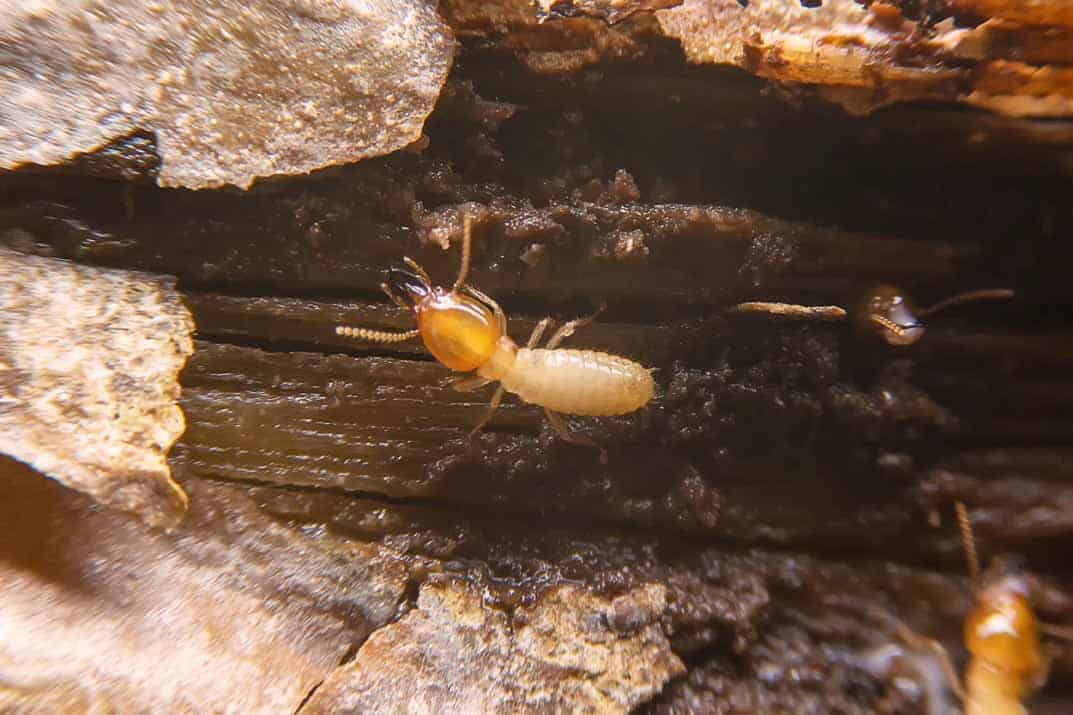
We’re on a mission to help you protect your home from every homeowner’s worst nightmare: termites. We often talk to our neighbors about termite treatment, but what about prevention? When it comes to these wood-loving insects, the old saying “an ounce of prevention is worth a pound of cure” couldn’t be more accurate.
The best way to avoid costly termite damage is to stop infestations before they start. In this article, we’ll walk you through some simple, effective year-round maintenance tips. Whether it’s the heat of summer or the chill of winter, adopting these strategies can make a world of difference in keeping termites at bay.
1. Keep Moisture Under Control
Termites crave moisture. When your home has leaks or high humidity levels, you’re essentially rolling out the red carpet for termites. Here’s how to keep things dry:
- Fix Leaks Promptly: Dripping faucets, leaky pipes, or roof leaks can create damp spots where termites thrive.
- Ventilate Crawl Spaces: Proper ventilation or dehumidifiers in crawl spaces prevents moisture buildup.
- Clean Gutters and Downspouts: Blocked gutters can overflow, causing water to pool near your foundation.
We often see this step overlooked, but trust us—if you can keep moisture levels in check, you’ll drastically reduce the chances of a termite invasion.
2. Eliminate Wood-to-Soil Contact
Most subterranean termites access homes directly from the soil. If wood is touching the ground, it gives these pests a direct route. Make sure to:
- Elevate Wooden Structures: Decks, porches, or even wooden fences should be built on concrete blocks or metal supports, not directly on soil.
- Store Firewood Correctly: Keep firewood piles at least 20 feet away from your home and a few inches off the ground.
- Inspect Wooden Siding: Ensure that wooden siding doesn’t extend below the soil line. A small gap between your siding and the ground can prevent easy termite entry.
3. Seal Up Potential Entry Points
Termites can enter through cracks as small as 1/32 of an inch. That’s the width of a credit card swipe! While it’s nearly impossible to seal every tiny gap, paying attention to common entry points can help:
- Foundation Cracks: Use concrete patch or a high-quality sealant to fill any cracks in your foundation.
- Pipe and Wire Penetrations: Check where utilities enter your home and seal around these gaps.
- Windows and Doors: Repair or replace any damaged frames. Caulk any gaps where frames meet siding.
This step not only helps with termites but can also keep other pests—and even drafts—out of your living space.
4. Maintain Proper Landscaping
Your beautiful garden shouldn’t become a termite highway. Keep a few landscaping rules in mind:
- Mulch Management: Try to keep mulch at least 6 inches away from your home’s foundation. Over-mulching can trap moisture against your walls.
- Trim Shrubs and Trees: Foliage touching your home can encourage moisture buildup and create hidden entry paths.
- Grade Your Yard: Ensure the soil slopes away from your foundation so water doesn’t pool next to your home.
5. Routine Inspections
Even the most diligent homeowner can’t catch every single sign of termites. Scheduling regular termite inspections (annually or semi-annually) with a trusted professional—like our team at Wake Pest—can help detect early warning signs you might miss.
We’ll check your crawl space, foundation, attic, and any other vulnerable areas. Using specialized tools like moisture meters and thermal imaging cameras, we can spot hidden colonies before they do serious damage.
6. Consider Pre-Treatment for New Construction or Remodels
If you’re building a new home or undergoing major renovations, pre-treating the soil with a termiticide is a fantastic preventive measure. Here’s how it works:
- Soil Treatment: Before the foundation is poured, pest control professionals apply a termiticide to create a barrier that repels termites.
- Bait Stations: Some builders install termite bait stations around the perimeter of new homes for ongoing protection.
- Treated Building Materials: Using lumber treated with borates or other chemicals can make the wood less appealing to termites.
7. Use Termite-Resistant Materials
Not all wood is created equal when it comes to termite resistance. While no material is completely termite-proof, certain types of wood and synthetic materials can be less inviting. Examples include:
- Treated Lumber: Pressure-treated wood is infused with chemicals that repel or kill termites.
- Cedar and Redwood: These woods contain natural oils that can deter termites to some extent.
- Composite Materials: Decks or fences made from wood-plastic composites are far less susceptible to termite damage.
If you’re planning outdoor projects or even interior renovations, choosing termite-resistant materials is a wise investment.
8. Stay Alert for Warning Signs
Early detection is half the battle. Keep your eyes peeled for:
- Swarmers or Discarded Wings: Especially near windowsills or light sources.
- Mud Tubes: Thin, dirt-like tunnels along your foundation or crawl space walls.
- Hollow-Sounding Wood: Tapping on beams or floorboards that sound empty or papery inside.
- Uneven or Bubbling Paint: Could indicate moisture or termite tunnels just beneath the surface.
If you spot any of these, call us for an inspection right away. Catching termites early can save you thousands of dollars in repairs.
9. Keep Firewood Off the Ground (and Away from the Home)
We can’t stress this enough: if you heat your home with firewood or just love a cozy fire, storing that wood properly is crucial. Damp, rotting logs are like a buffet for termites. Keep it stacked on a raised platform or a metal rack, and store it a good distance from your home—at least 20 feet away, if possible.
10. Plan for Different Seasons
Yes, termites can be a problem year-round. But certain seasons require extra caution:
- Spring: This is prime swarm season. Keep a closer eye out for flying termites and discarded wings.
- Summer: High humidity and rainfall can soften soil and encourage termite movement. Check for mud tubes after storms.
- Fall: Schedule inspections before cold weather sets in to catch any late-summer colonies.
- Winter: Termites slow down but don’t disappear. Indoor heat can sustain them, especially in crawl spaces or basements.
How Often Should You Inspect and Maintain?
In our experience, a quarterly check of your home’s exterior—looking for cracks, leaks, or damp spots—is usually enough. Pair that with annual professional termite inspections and you’ll cover your bases nicely. If your property has a history of termite problems, consider semi-annual professional checks for peace of mind.
Wrapping Up
Termite prevention might seem like a long list of to-dos, but most of these tasks overlap with general home maintenance. By keeping your home dry, sealed up, and free of easily accessible wood, you’re doing a lot to discourage termites from paying you a visit.
And remember, if you ever have questions or concerns, or if you want a professional inspection, the Wake Pest team is here to help. We’re proud to serve Raleigh homeowners and are always a phone call away. Termites may be persistent, but with proactive care and a little bit of help, you can keep your home safe and termite-free all year long.