
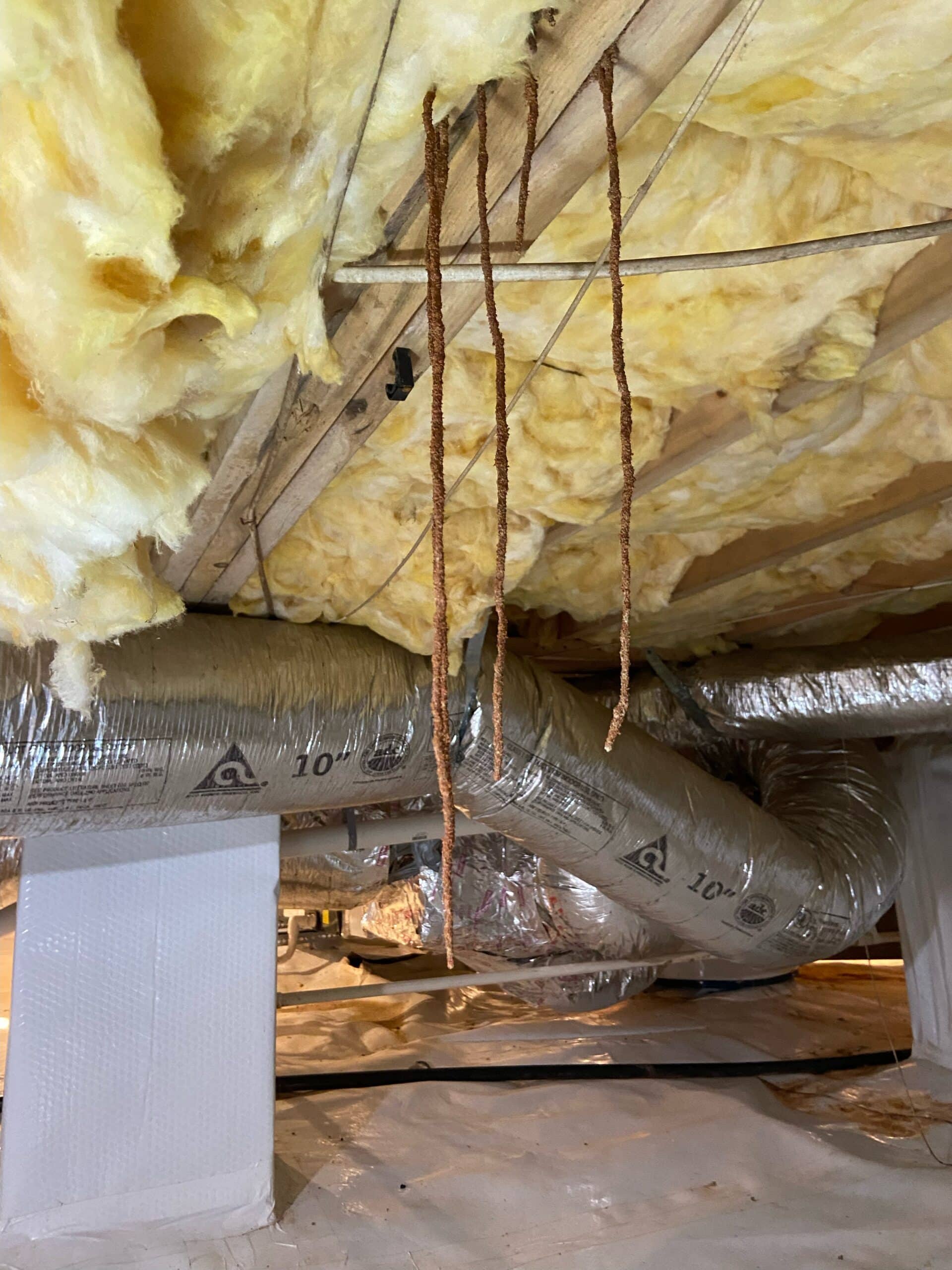
Termites quietly cause over $5 billion in property damage across the United States each year, and North Carolina ranks among the states with the highest termite activity. For Raleigh homeowners, protecting your property from these wood-destroying insects is not optional but a practical necessity. The warm, humid climate of the Triangle region creates ideal conditions for termite colonies to thrive year-round, making proactive termite control one of the smartest investments you can make for your home.
What Makes Raleigh Homes So Vulnerable to Termite Infestations?
Raleigh’s geographic location and climate create a perfect storm for termite activity. The region’s average temperature hovers around 59°F annually, paired with approximately 50 inches of rainfall each year. These conditions allow termite colonies to remain active through all four seasons, with peak activity occurring during the warmer spring and summer months when swarmers emerge to establish new colonies.
The soil composition throughout Wake County and surrounding areas provides subterranean termites with easy tunneling access to residential foundations. Older homes in established Raleigh neighborhoods face particular risk because aging construction materials and settling foundations can create entry points that termites exploit. The US Forest Service Termite Infestation Map classifies North Carolina as having moderate to heavy termite pressure, meaning every home in the Raleigh area faces some level of risk.
Key factors that increase termite vulnerability in Raleigh homes:
- High humidity levels: Raleigh’s humid subtropical climate maintains the moisture termites need to survive, especially during summer months when relative humidity regularly exceeds 70%.
- Wooded lot proximity: Homes built near wooded areas or mature trees provide natural food sources that can attract termite colonies closer to residential structures.
- Crawl space construction: Many Raleigh homes feature crawl space foundations that can trap moisture and create ideal conditions for termite colonization.
- Older home stock: Established neighborhoods throughout Raleigh include homes with aging wood components that may lack modern termite prevention measures.
- Dense landscaping: Mulch beds, wooden garden borders, and dense plantings near foundations create bridges between soil and wooden structural elements.
“We see homeowners who believed their newer homes were safe from termites, only to discover active infestations just a few years after construction. The reality is that any home in the Raleigh area, regardless of age or construction quality, can become a target for these destructive pests.” — The Team at Wake Pest
What Types of Termites Threaten Raleigh Properties?
Understanding which termite species operate in the Raleigh area helps you recognize potential threats and choose appropriate prevention strategies. Two primary species dominate the Triangle region, each with distinct behaviors and warning signs that homeowners should recognize.
Eastern Subterranean Termites
Eastern subterranean termites represent the most common and destructive termite species in North Carolina. These insects live in underground colonies that can contain anywhere from 60,000 to several million individual termites. A mature colony with 300,000 workers can consume approximately one cubic foot of wood per year, causing significant structural damage over time.
Subterranean termites require constant contact with soil moisture to survive. They construct distinctive mud tubes along foundation walls and other surfaces to maintain humidity levels while traveling between their underground nests and above-ground food sources. These pencil-width tubes serve as one of the most recognizable signs of an active infestation and should prompt immediate professional inspection.
Worker termites are pale white, wingless, and approximately 1/8 to 1/4 inch long. They avoid light exposure and work within the wood they consume, hollowing out structural elements from the inside. Homeowners rarely see worker termites unless they break open an active mud tube or discover damaged wood during renovations.
Formosan Subterranean Termites
Formosan termites have become increasingly common in portions of North Carolina, including areas around Raleigh. These termites build larger colonies than their Eastern counterparts, with populations that can exceed several million individuals. Their aggressive feeding behavior and rapid reproduction rates make them particularly destructive when they target residential structures.
Formosan termites can construct aerial nests called cartons within wall voids, which reduces their dependence on soil contact. This adaptation allows them to infest upper floors of buildings more readily than Eastern subterranean species. Their swarmers are pale yellow to brownish and slightly larger than Eastern subterranean swarmers, typically emerging during warm, humid evenings from May through June.
Comparison of Raleigh termite species:
| Characteristic | Eastern Subterranean | Formosan Subterranean |
|---|---|---|
| Colony Size | 60,000 to 1 million | 1 million to 10 million |
| Annual Wood Consumption | ~1 cubic foot (300K colony) | ~13 ounces per day |
| Swarm Season | March through May | May through June |
| Worker Color | Cream to white | Cream to pale yellow |
| Nest Location | Underground only | Underground or aerial cartons |
How Can You Identify Signs of Termite Activity in Your Raleigh Home?
Early detection of termite activity can save thousands of dollars in repair costs and prevent serious structural damage to your home. Termites work silently and out of sight, often causing extensive damage before homeowners notice any visible indicators. Learning to recognize the warning signs helps you catch infestations before they become major problems.
Common indicators of termite presence:
- Mud tubes on foundations: These pencil-width tunnels appear on foundation walls, piers, and other surfaces where termites travel between soil and wood. Breaking open an active tube reveals live termites inside.
- Discarded wings near windows: Termite swarmers shed their wings after mating flights. Piles of small, equal-length wings on windowsills or near entry points indicate recent swarming activity.
- Hollow-sounding wood: Tap on wooden surfaces with a screwdriver handle. Wood that sounds hollow or papery may have termite damage beneath the surface.
- Bubbling or peeling paint: Termite tunnels beneath painted surfaces can cause paint to bubble, peel, or appear water-damaged even without moisture problems.
- Frass accumulations: Drywood termites leave small, pellet-like droppings called frass near entry points or beneath infested wood. These droppings resemble sawdust or coffee grounds.
- Sagging floors or ceilings: Severe termite damage weakens structural support, causing floors to sag or ceilings to dip in affected areas.
- Stuck doors and windows: Termite damage can warp door and window frames, causing them to stick or become difficult to open and close.
Termite swarms typically occur during spring in the Raleigh area, though existing colonies remain active throughout the year. If you observe swarming termites inside your home, this indicates an established colony already present on your property. Swarmers found outside may be starting new colonies nearby, warranting a professional inspection to assess your home’s risk.
“The most common mistake we see is homeowners waiting until they notice obvious damage before calling for an inspection. By that point, termites may have been feeding on structural elements for years. Annual inspections catch problems early when treatment is simpler and repairs are minimal.” — The Team at Wake Pest
What Treatment Options Work Best for Raleigh Termite Problems?
Professional termite treatment in Raleigh typically involves one of two primary approaches: liquid termiticides or bait station systems. Each method offers distinct advantages depending on your home’s construction, the severity of infestation, and your long-term protection goals. Understanding how these treatments work helps you make informed decisions when consulting with pest control professionals.
Liquid Barrier Treatments
Liquid termiticides create a continuous chemical barrier in the soil surrounding your home’s foundation. Technicians apply the treatment by trenching around the exterior perimeter and drilling through concrete slabs, patios, and porches to reach soil beneath. The termiticide either kills termites on contact or uses a “transfer effect” where contaminated workers spread the product to nestmates.
Modern non-repellent termiticides like fipronil (Termidor) and imidacloprid (Premise) allow termites to pass through treated soil without detecting the chemical. This design increases the likelihood that contaminated termites will return to their colony and spread the product before dying. Studies show these non-repellent formulations provide more reliable colony elimination than older repellent products.
Liquid treatments offer rapid results and can provide protection for 5 to 10 years when properly applied. The treatment creates immediate protection once installed, making it a strong choice when active infestations require quick elimination. Most pest control companies offer annual inspections and retreatment warranties to maintain protection over time.
Bait Station Systems
Termite baiting systems use stations placed in the ground around your home’s perimeter. Each station contains wood or cellulose material that attracts foraging termites. When technicians detect termite activity during monitoring visits, they add bait containing a slow-acting insecticide that workers carry back to their colony.
The Sentricon system and similar baiting products use insect growth regulators that prevent termites from molting properly. Worker termites share the bait through their natural food-sharing behaviors, gradually spreading the active ingredient throughout the colony. This approach eliminates the queen and reproductive termites, eventually causing the entire colony to collapse.
Bait systems require less chemical application than liquid treatments and work well for homes with construction features that complicate trenching, such as wells, ponds, or sub-slab heating systems. The ongoing monitoring component also provides early warning if new termite activity develops near your property.
Treatment method comparison:
| Factor | Liquid Barrier | Bait Stations |
|---|---|---|
| Initial Cost | Higher upfront | Lower upfront |
| Speed of Results | Days to weeks | Months for colony elimination |
| Annual Maintenance Cost | $85 to $200 | $200 to $400 |
| Protection Duration | 5 to 10 years | Ongoing with maintenance |
| Environmental Impact | Higher chemical volume | Minimal chemical use |
| Best For | Active infestations | Prevention and monitoring |
How Much Does Termite Treatment Cost in the Raleigh Area?
Termite treatment costs in Raleigh vary based on your home’s size, construction type, and the severity of any existing infestation. Understanding typical pricing helps you budget appropriately and evaluate quotes from different pest control providers. Most companies offer free inspections and will provide detailed estimates before beginning any work.
The average termite treatment cost in Raleigh falls between $260 and $801, with most homeowners paying around $523 for initial treatment. Homes with larger footprints, complex foundations, or heavy infestations may see costs exceed $1,000. Monthly protection plans from local providers typically range from $45 to $63 per month for combined pest and termite coverage.
Raleigh termite treatment cost breakdown:
| Service Type | Typical Cost Range |
|---|---|
| One-time treatment | $200 to $570 |
| Average treatment | $523 |
| Liquid chemical treatment | $3 to $17 per linear foot |
| Fumigation (if needed) | $1,200 to $2,500 |
| Annual inspection | $85 to $200 |
| Monthly protection plan | $45 to $63 |
| Annual protection (1,250 sq ft home) | ~$204 |
| Annual protection (2,000 sq ft home) | ~$357 |
Several factors influence the final cost of termite treatment for your specific property. Square footage represents the primary cost driver since larger homes require more product and labor to treat effectively. Construction type matters as well, with slab foundations typically costing more to treat than crawl space or basement designs because drilling through concrete adds time and labor.
The presence of an active infestation versus preventive treatment also affects pricing. Eliminating an established termite colony requires more product application and may involve multiple treatment methods. Homes with severe infestations might need structural repairs in addition to termite elimination, adding significantly to overall costs.
What Prevention Strategies Help Protect Raleigh Homes From Termites?
Preventing termite infestations costs far less than treating active colonies and repairing structural damage. Homeowners can implement several practical strategies to make their properties less attractive to termites while supporting professional treatment programs. These measures address the moisture, food sources, and entry points that termites need to survive.
Moisture control recommendations:
- Fix plumbing leaks promptly: Repair dripping faucets, leaking pipes, and any plumbing issues that create moisture accumulation near your foundation or within crawl spaces.
- Maintain gutters and downspouts: Clean gutters regularly and extend downspouts to direct water at least 3 feet away from your foundation.
- Grade soil away from foundation: Ensure the ground around your home slopes away from the foundation to prevent water pooling.
- Ventilate crawl spaces: Maintain at least one square foot of vent opening per 150 square feet of crawl space, keeping vents clear of debris and vegetation.
- Install vapor barriers: Cover approximately 75% of crawl space soil with 4 to 6 mil polyethylene sheeting to reduce moisture evaporation from the ground.
- Adjust sprinkler systems: Position irrigation heads to avoid spraying water directly against foundation walls.
Eliminating wood-to-soil contact ranks among the most important prevention measures homeowners can take. Termites travel through soil to find wood food sources, and any wood touching the ground provides a direct pathway into your home. Pressure-treated lumber offers some resistance but remains vulnerable to termite attack through cracks and cut ends.
Wood-to-soil contact prevention:
- Maintain clearance: Keep at least 6 inches of clearance between wood siding, door frames, and window frames and the soil surface.
- Support posts properly: Set porch posts, deck supports, and fence posts on concrete bases rather than burying them directly in soil.
- Store firewood away from structures: Keep firewood at least 20 feet from your home and elevate it off the ground on metal or concrete supports.
- Remove wood debris: Clear stumps, dead roots, and scrap lumber from areas near your foundation.
- Use mulch sparingly: Apply no more than 2 to 3 inches of mulch near foundations and keep mulch at least 15 inches from the structure. Consider pea gravel or crushed stone as alternatives.
“Prevention is always more cost-effective than treatment. The homeowners who stay ahead of termite problems are the ones who address moisture issues, maintain clearances around their foundations, and schedule annual inspections. These simple habits can save thousands of dollars over the life of a home.” — The Team at Wake Pest
Why Should Raleigh Homeowners Schedule Annual Termite Inspections?
The North Carolina Department of Agriculture recommends annual termite inspections for all residential properties in the state. This guidance reflects the significant termite pressure throughout the region and the substantial financial risk that undetected infestations pose to homeowners. Professional inspections catch termite activity early when treatment remains straightforward and damage stays minimal.
Trained inspectors examine areas of your home that you might overlook during routine maintenance. They check crawl spaces, attics, foundation walls, and other locations where termites commonly enter or cause damage. Inspectors also identify conditions conducive to termite activity, such as moisture problems or wood-to-soil contact, allowing you to address these issues before they attract pests.
Most termite treatment warranties require annual inspections to remain valid. Skipping inspections can void your coverage and leave you responsible for future treatment costs if termites return. The relatively modest cost of annual inspections provides peace of mind and maintains your protection investment over time.
If you’re buying or selling a home in Raleigh, termite inspections take on added importance. Lenders often require clear termite reports before approving mortgages, and buyers understandably want assurance that their investment is free from wood-destroying insects. Sellers benefit from addressing any termite concerns before listing their property to avoid complications during the sale process.
What professional inspectors examine:
- Foundation walls: Inspectors look for mud tubes, cracks, and other entry points along interior and exterior foundation surfaces.
- Crawl spaces: Technicians check for active termites, moisture issues, wood debris, and wood-to-soil contact in crawl space areas.
- Attic framing: Inspectors examine exposed wood framing for signs of termite damage or other wood-destroying organisms.
- Door and window frames: These areas receive close attention because their proximity to exterior walls makes them vulnerable to termite entry.
- Plumbing penetrations: Any location where pipes pass through foundation walls or slabs creates potential entry points that inspectors evaluate.
- Attached structures: Garages, porches, decks, and other attached structures connect to your home and require inspection.
What Should You Know About Preconstruction Termite Treatment?
If you’re building a new home in Raleigh, preconstruction termite treatment services provide the most complete foundation protection available. These treatments apply termiticides to the soil before and during construction, creating a protective barrier that becomes integrated with your home’s foundation. The approach offers advantages that post-construction treatments cannot match.
Preconstruction treatment occurs in stages aligned with the building process. Technicians treat the soil beneath the foundation footprint before concrete is poured, then apply additional product around the perimeter after foundation walls are in place. Some treatments include application to interior slabs and around plumbing penetrations where termites commonly enter.
The benefit of preconstruction treatment lies in the completeness of coverage. Once a home is built, certain areas beneath and within the foundation become inaccessible. Treating before construction allows technicians to apply product to all soil surfaces that will eventually contact the structure, eliminating gaps in protection that can develop with post-construction applications.
North Carolina building codes require termite prevention measures for new residential construction. Working with a qualified pest control provider during the building process ensures compliance while giving your new home the strongest possible foundation against future termite problems. Many builders maintain relationships with local pest control companies and can coordinate treatment scheduling with construction timelines.
“New construction represents your best opportunity to install complete termite protection from day one. The relatively small investment in preconstruction treatment creates a barrier that protects your home’s foundation for years. We work closely with builders throughout the Raleigh area to integrate termite prevention into the construction process.” — The Team at Wake Pest
Frequently Asked Questions About Termite Control in Raleigh
Does homeowners insurance cover termite damage in North Carolina?
Standard homeowners insurance policies in North Carolina do not cover termite damage or treatment costs. Insurance companies classify termite infestations as preventable maintenance issues rather than sudden, accidental damage. This exclusion makes proactive termite prevention and treatment programs especially important for Raleigh homeowners who want to protect their investment.
How long does a termite treatment last in the Raleigh climate?
Liquid termiticide treatments typically provide protection for 5 to 10 years when properly applied, though Raleigh’s humid climate and active termite populations may affect longevity. Bait station systems require ongoing monitoring and maintenance to remain effective. Annual inspections help verify that your protection remains intact regardless of which treatment method you choose.
Can I treat termites myself with store-bought products?
DIY termite treatments rarely provide effective long-term protection for Raleigh homes. Store-bought sprays may kill visible termites but fail to reach the underground colony where the queen continues producing new workers. Professional treatments use commercial-grade products and application techniques that address entire colonies rather than individual termites.
When is termite swarming season in Raleigh?
Eastern subterranean termites typically swarm in Raleigh from March through May, often following warm spring rains. Formosan termites swarm later, usually from May through June. Indoor swarms indicate an established colony within or near your home and warrant immediate professional inspection. Outdoor swarms suggest colonies in the surrounding area that could threaten your property.
How quickly can termites damage a Raleigh home?
A mature termite colony can cause significant structural damage over 3 to 8 years of feeding activity. Smaller colonies take longer to cause noticeable damage, while larger Formosan colonies can work much faster. Early detection through annual inspections remains the best way to catch infestations before they cause serious harm to your home.
What attracts termites to certain Raleigh properties?
Termites seek three things: moisture, food sources, and protected entry points. Properties with poor drainage, wood debris near foundations, or direct wood-to-soil contact attract more termite activity. Older homes, wooded lots, and houses with crawl space foundations face elevated risk levels compared to newer construction on cleared lots.
Protecting Your Raleigh Home From Termites
Termite control requires ongoing attention rather than a one-time solution. The combination of professional treatment, regular inspections, and practical prevention measures gives Raleigh homeowners the strongest defense against these destructive pests. Starting with a thorough inspection establishes your current situation and helps determine which treatment approach fits your home’s needs.
The Wake Pest team brings years of local experience to every termite inspection and treatment we perform throughout the Raleigh area. We understand the specific challenges that Triangle-area homeowners face and customize our approach to address your property’s unique characteristics. Our technicians identify existing problems and recommend practical solutions that fit your budget and protection goals.
If you’ve noticed signs of termite activity or simply want the peace of mind that comes with professional protection, contact Wake Pest to schedule your termite inspection. Protecting your home from termite damage starts with understanding what you’re dealing with, and our team is ready to help you take that first step.