
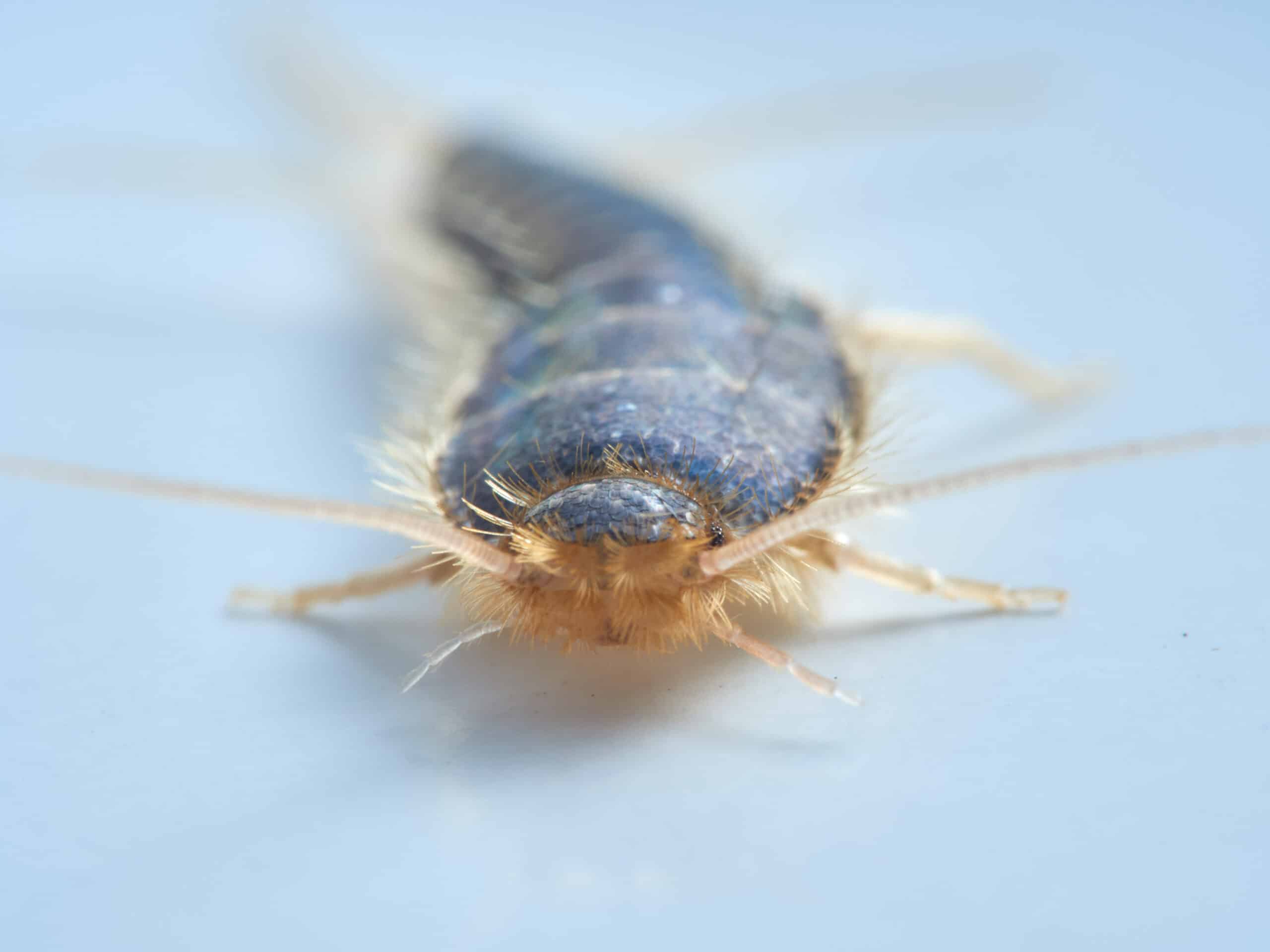
As temperatures drop and Triangle area families retrieve holiday decorations from attics and basements, many encounter an unwelcome surprise: silverfish scurrying across storage boxes and hiding among cherished belongings. These ancient, wingless insects have survived for over 400 million years, and they thrive in the very conditions North Carolina winters create inside our heated homes. Unlike many pests that become less active in cold weather, silverfish move indoors because they don’t like the chilly weather, and they love warm and damp places, which are hard to find outside in winter.
Understanding why silverfish become more problematic during winter months and recognizing the extensive damage they cause to books, papers, fabrics, and stored foods is essential for protecting your home and belongings. With proper knowledge and prevention strategies, you can keep these destructive pests out of your Raleigh home throughout the coldest months of the year.
Why Silverfish Thrive in North Carolina’s Winter Climate and Heated Homes
While most insects become dormant or die off during winter, silverfish remain active year-round, particularly inside temperature-controlled homes. The combination of North Carolina’s naturally humid climate and indoor heating systems creates perfect conditions for these moisture-loving pests to not just survive but flourish during the coldest months.
Indoor heating plays a critical role in winter silverfish activity. Our heated homes, usually kept around 21°C, become the perfect spot for them, and the heating not only keeps the house warm but also makes it a bit more humid, which silverfish really like. This controlled indoor environment provides the 72 to 90 degrees Fahrenheit temperature range silverfish prefer, combined with the high humidity levels they need to survive.
The seasonal shift in daylight also impacts silverfish behavior. As winter days get shorter, silverfish start acting differently, and they’re usually night creatures, but with longer nights, they get even busier, with the early sunsets meaning they have more time to sneak around houses searching for food and a cozy spot. This extended period of darkness allows silverfish to feed and reproduce with minimal risk of detection.
Winter Conditions That Attract Silverfish:
- Indoor heating systems that maintain comfortable temperatures year-round
- Increased humidity from cooking, bathing, and reduced ventilation in sealed homes
- Extended darkness providing longer activity periods for nocturnal feeding
- Stored items brought down from attics and up from basements for holiday celebrations
“Many homeowners are shocked to discover silverfish when retrieving holiday decorations because these pests have been living undisturbed in storage areas for months or even years, thriving in the dark, humid conditions that attics and basements provide during winter when homes are sealed tight against the cold,” explains the Wake Pest Team.
North Carolina’s climate presents unique challenges for silverfish control. North Carolina’s warm, humid climate makes it a hotspot for silverfish activity, particularly in homes that provide moisture and shelter. Even during winter, the state’s relatively moderate outdoor temperatures mean silverfish populations remain robust, simply shifting from outdoor to indoor environments as conditions change.
| Season | Silverfish Behavior | Primary Location | Activity Level |
|---|---|---|---|
| Spring/Summer | Outdoor and indoor populations active | Both environments | High |
| Fall | Migration indoors begins | Moving from outside to inside | High |
| Winter | Concentrated indoor infestations | Heated interior spaces | Very High |
At Wake Pest, we understand the seasonal patterns of silverfish activity in the Triangle area and provide targeted prevention and treatment strategies that address the specific conditions winter creates in Raleigh homes.
Understanding the Extensive Damage Silverfish Cause to Your Belongings
While silverfish don’t bite humans or spread diseases, their destructive feeding habits can cause significant damage to valuable possessions, particularly items stored in attics, basements, and closets during winter months. Silverfish feed on materials containing polysaccharides, starches, and sugars commonly found in paper, cardboard, glue, and natural fabrics.
Books and paper products suffer extensively from silverfish activity. Silverfish can eat away at the glue in bindings, causing pages to loosen or fall out, and they may also nibble on the paper itself, leaving small holes and notches along the edges. Family photos, important documents, and rare books stored in humid areas become prime targets for these voracious feeders.
The damage extends beyond paper products. These pests can cause wallpaper to peel away from walls as they feed on the paste behind it, and visible damage often includes thin, irregular tracks that strip away the decorative surface. Textile damage is equally concerning, as silverfish may feed on fabrics, particularly those with natural fibers like cotton, linen, or silk, leading to small holes or worn patches in stored clothing and upholstery.
Items Most Vulnerable to Silverfish Damage:
- Books and documents: Binding glue, paper edges, and stored files
- Photographs: Glue on backs causing photos to stick together or curl
- Fabrics and clothing: Natural fibers including cotton, linen, and silk
- Wallpaper: Paste behind decorative surfaces
- Carpets and rugs: Irregular patches where fibers have been eaten away
- Dry foods: Flour, cereals, pasta, and other starchy products
The financial impact of silverfish damage can be substantial. Over time, their presence can lead to detached book bindings from glue consumption, thin or frayed clothing patches from surface grazing, small pepper-like droppings in drawers or storage boxes, and shed exoskeletons in dark corners or along baseboards. Irreplaceable family heirlooms, vintage clothing collections, and rare book libraries face particular risk.
| Material Type | How Silverfish Damage It | Typical Damage Pattern |
|---|---|---|
| Paper/Books | Eat glue, sizing, and paper fibers | Holes along edges, loose bindings, yellow stains |
| Fabrics | Graze on natural fibers and starches | Small holes, irregular worn patches |
| Wallpaper | Feed on paste behind surface | Peeling, thin scraping tracks |
| Dry Foods | Contaminate with droppings and eggs | Small holes in packaging, webbing |
Wake Pest helps homeowners assess silverfish damage and implement prevention strategies before valuable possessions suffer irreversible harm from these destructive insects.
Common Areas Where Silverfish Hide During Winter Months
Silverfish prefer specific environments within homes, gravitating toward dark, undisturbed locations with high humidity levels. Understanding where these pests congregate during winter helps homeowners target inspection and prevention efforts effectively.
Basements represent prime silverfish habitat during winter. Silverfish hide in areas that people rarely enter, and they seem to prefer dark undisturbed places, noting that dark, high-humidity spots such as crawl spaces, unfinished basements and attics are prime silverfish real estate. These areas combine all the elements silverfish need: consistent moisture, comfortable temperatures, and abundant food sources in the form of stored boxes and papers.
Attics provide similar conditions but with additional risks. These areas are suitable environments for them and are also where homeowners keep stored items that provide them harborage and food. Holiday decorations, old clothing, archived documents, and family memorabilia stored in attics create perfect feeding grounds for silverfish colonies that can grow undetected for years.
High-Risk Silverfish Locations:
- Bathrooms: They prefer damp crawlspaces and damp attic or roof areas, dark closets, or bathrooms
- Kitchen areas: Under sinks, behind appliances, in pantries
- Laundry rooms: Near washers, dryers, and water heaters
- Crawl spaces: Humid, enclosed areas beneath homes
- Wall voids: Behind wallpaper, wall hangings, and electrical outlets
- Storage areas: Closets containing books, papers, or fabric-based items
The flattened body structure of silverfish allows them to exploit tiny spaces. Since the bodies of these insects are flattened, they can find harborage in very small cracks and crevices, even within narrow book bindings, the loose pages of books, and corrugated cardboard. This adaptive feature makes thorough inspection challenging, as silverfish can hide in spaces barely visible to the naked eye.
“Winter is when we see the most silverfish calls because families are accessing storage areas they haven’t touched in months, moving holiday decorations and discovering extensive populations living among their stored belongings in attics, basements, and garage storage spaces,” notes the Wake Pest Team.
| Location | Humidity Level | Why Silverfish Choose It |
|---|---|---|
| Bathrooms | Very High (70%+) | Constant moisture from showers and sinks |
| Basements | High (60-75%) | Below-grade moisture, poor ventilation |
| Attics | Variable (50-70%) | Stored items, limited disturbance |
| Kitchen cabinets | Moderate to High | Food sources, plumbing moisture |
Wake Pest provides comprehensive property inspections that identify all potential silverfish harborage areas, ensuring treatment reaches even the most hidden populations.
Identifying a Silverfish Infestation in Your Raleigh Home
Early detection of silverfish infestations allows for quicker, more effective treatment before populations grow and extensive damage occurs. Knowing what signs to look for helps homeowners catch problems before they escalate into major infestations requiring professional intervention.
Visual identification starts with recognizing the insects themselves. Silverfish are typically tear-shaped insects with two antennae on their heads, and their bodies can range from white to brown-gray or bluish-silver in color, ranging from 1/2 to 3/4 of an inch in length, with each silverfish tending to have three bristles protruding from their rear ends. Their distinctive fish-like movement when disturbed makes them relatively easy to identify if you spot one.
Physical evidence of silverfish activity often appears before you see the insects themselves. Common signs of silverfish infestation include seeing a live silverfish, irregular chewing marks with holes in book bindings, linens, paper, and wallpaper, molted skins and scales, yellow marks or dust that they leave on surfaces, and feces that are small, round, and black, resembling peppercorns.
Signs of Active Silverfish Infestation:
- Live insects: Fast-moving, silver-gray bugs darting away from light
- Feeding damage: Irregular holes in books, papers, fabrics, and wallpaper
- Cast skins: Shed exoskeletons near hiding places
- Fecal matter: Tiny black pellets resembling pepper
- Yellow staining: Residue on damaged materials
- Scraping marks: Surface damage on paper products
The nocturnal nature of silverfish makes detection challenging. These nocturnal creatures generally take quite a long time to reproduce enough to reach infestation status, and often, vacuuming them is the fastest and easiest way to get rid of them. By the time visible damage appears, the infestation has likely been present for weeks or months.
Storage area inspections are particularly important during winter when families access holiday decorations and seasonal items. If silverfish are common in your area, don’t store these things in attics, basements, or garages where they may be damaged without being noticed, and inspect boxes and containers before bringing them into your home. Moving stored items provides an ideal opportunity to check for silverfish activity.
| Evidence Type | What to Look For | Where to Check |
|---|---|---|
| Physical damage | Holes, scraping marks, loose bindings | Books, papers, fabrics, wallpaper |
| Droppings | Black pepper-like pellets | Shelves, drawers, storage boxes |
| Shed skins | Translucent silvery casings | Baseboards, corners, behind furniture |
| Live insects | Fast-moving silver bugs | Bathrooms, basements, when moving stored items |
Wake Pest provides professional inspection services that identify silverfish infestations in their earliest stages, preventing the extensive damage these pests cause when populations grow unchecked.
Effective Prevention Strategies for Keeping Silverfish Out of Your Home
Preventing silverfish infestations requires a multi-faceted approach targeting the moisture, food sources, and entry points these pests need to survive. Implementing comprehensive prevention measures is far more effective and less expensive than treating established infestations.
Humidity control represents your most powerful prevention tool. Homes with poor ventilation or excessive moisture provide the perfect breeding ground for silverfish, so using dehumidifiers and improving ventilation in moisture-prone areas like basements and bathrooms is essential. Maintaining indoor humidity levels below 50 percent makes your home inhospitable to silverfish while creating a healthier environment for your family.
Critical Moisture Control Measures:
- Install dehumidifiers in basements, bathrooms, and laundry rooms
- Repair leaking pipes and fixtures immediately
- Improve ventilation with exhaust fans in bathrooms and kitchens
- Fix water damage to wood and other building materials
- Clean gutters and ensure proper exterior drainage
- Open vents in attics and crawl spaces to reduce humidity
Proper storage practices prevent silverfish from accessing food sources. Swap cardboard storage boxes in the attic or basement for plastic bins with lids that snap shut, and keep grains like flour and oats in airtight containers to help reduce the chance of silverfish feeding in the kitchen. This simple change eliminates both food sources and harborage sites that silverfish need to thrive.
“The most successful silverfish prevention combines humidity control with proper storage practices and regular cleaning, creating an environment where these moisture-dependent pests simply cannot survive, which is far more effective than trying to eliminate established populations that have been breeding in your storage areas for months,” emphasizes the Wake Pest Team.
Structural exclusion prevents silverfish from entering your home. Seal your exterior walls and foundation by hiring a handyman to go around your home and seal cracks and gaps using a high-quality caulking material. Pay special attention to areas around pipes, windows, doors, and utility penetrations where silverfish commonly gain entry.
| Prevention Category | Specific Actions | Impact Level |
|---|---|---|
| Moisture Control | Dehumidifiers, fix leaks, improve ventilation | Very High |
| Proper Storage | Plastic containers, sealed food, declutter | High |
| Structural Sealing | Caulk cracks, weatherstrip doors/windows | Moderate |
| Regular Cleaning | Vacuum, dust, reduce clutter | Moderate |
Wake Pest offers comprehensive prevention consultations that identify vulnerability points in your home and provide customized strategies for keeping silverfish out year-round, with special focus on winter risk factors.
Treatment Options When Prevention Isn’t Enough
When silverfish infestations are already established, targeted treatment becomes necessary to eliminate populations and prevent continued damage to your belongings. Several effective treatment options exist, ranging from natural solutions to professional-grade interventions.
Diatomaceous earth provides a natural, effective treatment method. The Diatomaceous Earth Powder acts like a dehydrator and dries out the exoskeleton of any insect that comes into contact with it, with research showing complete population eradication could be achieved on the ninth day against silverfish. Apply this fine powder along baseboards, in cracks and crevices, and in areas where silverfish travel most frequently.
Effective Treatment Methods:
- Diatomaceous earth: Natural powder that dehydrates insects on contact
- Boric acid: Applied in cracks, crevices, and wall voids
- Sticky traps: Monitor population levels and capture active silverfish
- Cedar products: Natural repellent in closets and storage areas
- Professional insecticides: Targeted chemical treatments for severe infestations
Professional treatment becomes necessary for severe or persistent infestations. Reduce or eliminate excess humidity that may be attracting firebrats or silverfish, and dry out rooms or other areas with excess humidity using a dehumidifier. Pest control professionals can access wall voids, apply residual treatments to hidden areas, and provide guaranteed elimination that DIY methods cannot match.
Treatment timing matters significantly for success. Winter represents an ideal period for silverfish treatment because populations are concentrated indoors rather than dispersed between indoor and outdoor environments. Treating during this season ensures you eliminate the entire population before spring arrives and outdoor silverfish begin migrating back inside.
| Treatment Type | Application Method | Effectiveness Timeline |
|---|---|---|
| Diatomaceous Earth | Dust along baseboards and crevices | 7-10 days for complete elimination |
| Boric Acid | Apply in cracks and wall voids | 2-3 weeks for population reduction |
| Professional Treatment | Targeted chemical application | Immediate impact, follow-up needed |
| Sticky Traps | Place near suspected activity areas | Ongoing monitoring and capture |
Wake Pest specializes in comprehensive silverfish elimination using integrated pest management approaches that combine environmental modifications with targeted treatments, ensuring long-term protection for your home and belongings.
Conclusion
Silverfish infestations worsen during winter months as these moisture-loving pests migrate indoors seeking the warmth and humidity our heated homes provide. Unlike most insects that become dormant in cold weather, silverfish remain highly active throughout winter, causing extensive damage to books, papers, fabrics, photographs, and stored foods while hiding in the dark, undisturbed areas where we keep our most valuable possessions.
The key elements of successful silverfish management include understanding why winter creates ideal conditions for these pests, recognizing the extensive damage they cause, knowing where they hide in your home, identifying infestations early, implementing comprehensive prevention strategies focused on moisture control and proper storage, and pursuing effective treatment when populations become established. Remember that prevention is always more effective and less expensive than treating severe infestations that have been growing undetected for months.
At Wake Pest, we understand the unique challenges silverfish present to Triangle area homeowners, particularly during winter months when families access stored items and discover these destructive pests living among their cherished belongings. Our team provides comprehensive silverfish control services including thorough inspections, moisture assessment, targeted treatments using both natural and professional-grade products, and customized prevention strategies that address your home’s specific vulnerability factors. Whether you need emergency treatment for an active infestation or preventive services to protect valuable stored items, the Wake Pest team is ready to eliminate silverfish from your Raleigh home. Contact Wake Pest today to schedule your winter pest inspection and protect your home from these ancient, destructive insects.