
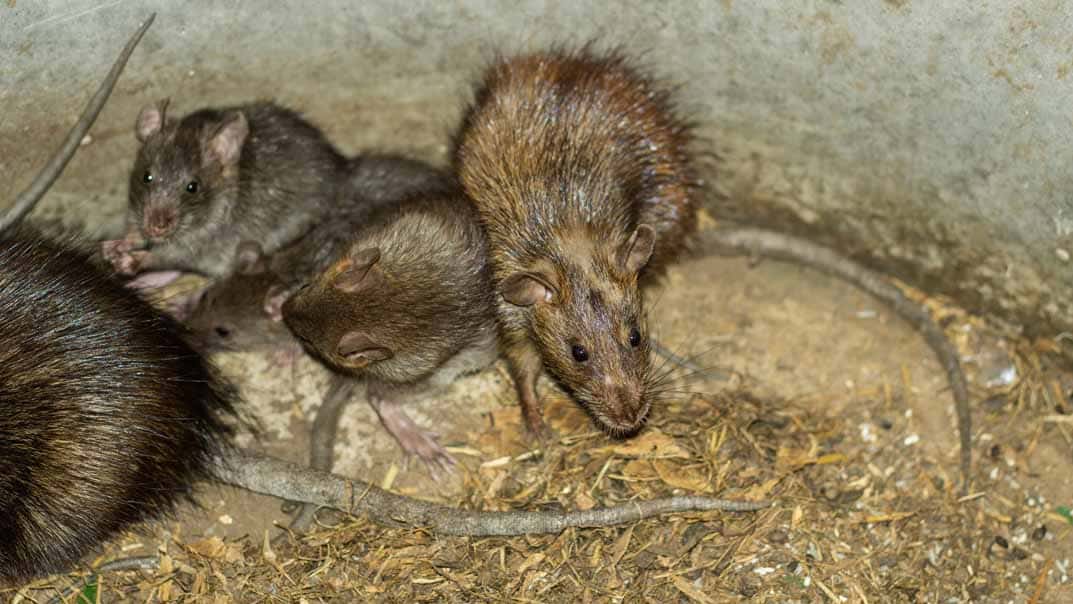
Finding mice droppings in your kitchen drawer or hearing scratching sounds in your walls at night can turn your Raleigh home from a comfortable sanctuary into a source of constant worry. Rodent infestations pose real threats to both your property and your family’s health, and they rarely resolve themselves without professional intervention. In this guide, we’ll walk you through everything you need to know about identifying, treating, and preventing rodent problems in the Raleigh area.
What Are the Most Common Signs of a Rodent Infestation in Raleigh Homes?
Recognizing a rodent problem early can save you thousands of dollars in damage repairs and help protect your family from health risks. Mice and rats are skilled at staying hidden, but they leave behind telltale evidence that trained eyes can spot. Understanding these warning signs allows you to take action before a small problem becomes a major infestation.
Key indicators that rodents have entered your home:
- Droppings and urine trails: Mouse droppings resemble small dark grains of rice (about 1/4 inch long), while rat droppings are larger and more capsule-shaped (up to 3/4 inch). Fresh droppings appear dark and moist, while older ones become gray and crumbly. You’ll typically find these near food sources, along baseboards, and inside cabinets.
- Gnaw marks on surfaces: Rodents must constantly gnaw to keep their ever-growing teeth in check. Look for tooth marks on wood trim, plastic containers, electrical wiring, and food packaging. Fresh gnaw marks appear lighter in color, while older ones darken over time.
- Scratching and scurrying sounds: Mice and rats are most active between dusk and dawn. Pay attention to scratching noises in walls, ceilings, or under floors during quiet evening hours. These sounds often indicate rodents traveling through their established pathways within your home’s structure.
- Nesting materials and greasy rub marks: Rodents build nests from shredded paper, fabric, insulation, and plant matter. Dark, greasy smudge marks along walls and baseboards indicate frequently traveled routes where rodent fur deposits oils from their bodies.
- Unusual pet behavior: Dogs and cats often detect rodent presence before humans notice any signs. If your pets suddenly show intense interest in specific walls, cabinets, or areas of your home, they may be sensing rodent activity.
Comparison of mouse versus rat infestation signs:
| Indicator | Mice | Rats |
|---|---|---|
| Droppings size | 1/8 to 1/4 inch, pointed ends | 1/2 to 3/4 inch, blunt ends |
| Gnaw marks | Small, rough edges | Large, clean cuts |
| Entry holes | Dime-sized (1/4 inch) | Quarter-sized or larger (1/2 inch+) |
| Tracks | Less than 3/8 inch footprints | 3/4 to 1 inch footprints |
| Nesting location | Inside walls, attics, stored items | Burrows, basements, lower levels |
“We’ve found that Raleigh homeowners often underestimate how quickly a single mouse sighting can become a full-blown infestation. One breeding pair of mice can produce up to 60 offspring in just three months. Early detection and immediate professional treatment make all the difference in protecting your home.” – The Team at Wake Pest
Why Does Raleigh’s Climate Create Ideal Conditions for Rodent Problems?
Raleigh’s humid subtropical climate creates year-round challenges for rodent management that differ from other regions of the country. The combination of mild winters, abundant rainfall, and warm summers provides rodents with the environmental conditions they need to thrive and reproduce throughout all four seasons. Understanding these regional factors helps explain why rodent control requires consistent attention in our area.
During Raleigh’s cooler months (November through February), mice and rats actively seek shelter in heated structures. While our winters are relatively mild compared to northern states, temperatures still drop enough to drive rodents indoors. The average January low of 30°F motivates these pests to find warm refuge in attics, crawl spaces, and wall voids. Unlike regions with harsh winters that naturally reduce rodent populations, Raleigh’s moderate temperatures allow year-round breeding activity.
The spring and summer months bring their own challenges. Raleigh receives approximately 46 inches of rainfall annually, and this moisture creates abundant food sources for rodents in the form of vegetation, seeds, and insects. The warm, humid conditions from May through September accelerate rodent reproduction cycles and support larger outdoor populations that eventually migrate toward homes during seasonal transitions.
Seasonal rodent activity patterns in Raleigh:
| Season | Primary Rodent Behavior | Recommended Prevention Focus |
|---|---|---|
| Spring (March-May) | Increased breeding, outdoor nesting, foraging | Yard maintenance, exterior inspection |
| Summer (June-August) | Peak reproduction, expanding territories | Food storage, moisture control |
| Fall (September-November) | Migration toward structures, entry attempts | Sealing entry points, perimeter treatment |
| Winter (December-February) | Indoor habitation, continued breeding indoors | Interior monitoring, attic inspection |
Raleigh’s rapid urban development over the past two decades has also contributed to rodent pressures on residential properties. As natural habitats give way to new construction, displaced rodent populations seek alternative shelter in existing homes and buildings. Neighborhoods near wooded areas, streams, and undeveloped land face particularly high risks of rodent intrusion throughout the year.
What Health Risks Do Mice and Rat Infestations Pose to Raleigh Families?
Beyond the property damage they cause, rodents carry serious health threats that every Raleigh homeowner should understand. Mice and rats serve as vectors for numerous diseases that can affect humans and pets through direct contact, contaminated food, or airborne particles from their waste. Protecting your family requires understanding these risks and taking appropriate action when rodent activity is detected.
Diseases transmitted by rodents in North Carolina:
- Hantavirus Pulmonary Syndrome: This potentially fatal respiratory disease spreads through inhalation of dust contaminated with rodent urine, droppings, or saliva. The deer mouse is the primary carrier in our region, and early symptoms include fatigue, fever, and muscle aches that can progress to severe breathing difficulties within days.
- Salmonellosis: Rodent feces contaminate food preparation surfaces and stored food items, leading to salmonella infections. Symptoms include diarrhea, fever, and abdominal cramps that typically last four to seven days. Young children, elderly individuals, and those with compromised immune systems face the greatest risks from this bacterial infection.
- Leptospirosis: This bacterial infection spreads through contact with water or soil contaminated by infected rodent urine. In Raleigh’s humid environment with frequent rainfall, standing water near homes can become contaminated. Symptoms range from high fever and headache to liver and kidney damage in severe cases.
- Rat-bite fever: Both bites and scratches from infected rodents can transmit this bacterial illness, but you can also contract it by consuming food or water contaminated by rodent waste. Without antibiotic treatment, this disease can become fatal.
Rodent infestations also trigger allergic reactions and worsen asthma symptoms in many people. Mouse allergens are found in 82% of American homes according to the National Institute of Environmental Health Sciences, with higher concentrations in homes with active infestations. Children are particularly vulnerable to developing respiratory sensitivities from prolonged exposure to rodent allergens.
“Many homeowners don’t realize that rodent contamination remains a health hazard even after the animals themselves are gone. Professional remediation includes not just removing rodents, but also sanitizing contaminated areas to protect against lingering bacteria and allergens. This comprehensive approach is something DIY methods simply cannot accomplish.” – The Team at Wake Pest
Rodent-related health impact statistics:
| Health Concern | Annual U.S. Impact | Risk Level in NC |
|---|---|---|
| Hantavirus cases | Approximately 30 reported annually | Low to moderate |
| Salmonella infections (rodent-linked) | Over 40,000 cases | Moderate |
| Asthma exacerbations from rodent allergens | Millions of cases | High in urban areas |
| Property damage from gnawing/contamination | Over $20 billion | High year-round |
How Do Professional Exterminators Eliminate Rodent Infestations?
Professional rodent control involves far more than setting a few traps and hoping for the best. Licensed pest management professionals follow integrated pest management (IPM) protocols that address infestations systematically while minimizing risks to your family, pets, and the environment. Understanding this process helps you know what to expect when you call for professional help with mice or rat problems in your Raleigh home.
The professional rodent elimination process:
- Thorough property inspection: A trained technician examines your entire property, including attics, crawl spaces, garages, and exterior perimeters. They identify active rodent signs, entry points, nesting sites, and conditions that attract or support rodent populations. This assessment forms the foundation for a customized treatment plan.
- Species identification: Different rodent species require different approaches. House mice, Norway rats, and roof rats have distinct behaviors, nesting preferences, and food sources. Accurate identification allows technicians to select the most effective treatment methods and bait placements for your specific situation.
- Strategic trap and bait placement: Professional technicians place traps and tamper-resistant bait stations in locations determined by rodent travel patterns and activity signs. These placements target areas where rodents are most likely to encounter them while keeping products away from children and pets.
- Exclusion work: Sealing entry points is arguably the most critical step in lasting rodent control. Technicians use rodent-proof materials like steel wool, hardware cloth, and specialized sealants to close gaps around pipes, vents, utility lines, and foundation cracks. Mice can squeeze through openings as small as a dime, so attention to detail matters greatly.
- Sanitation recommendations: Professional services include guidance on removing rodent attractants from your property. This covers proper food storage, waste management, vegetation trimming, and eliminating water sources that support rodent populations.
- Follow-up monitoring: Effective rodent control requires ongoing attention. Follow-up visits allow technicians to check trap activity, replenish bait stations, assess the success of exclusion work, and address any new activity before it becomes established.
Professional methods compared to DIY approaches:
| Factor | Professional Service | DIY Approach |
|---|---|---|
| Inspection thoroughness | Complete property assessment | Limited to visible areas |
| Product effectiveness | Commercial-grade products | Consumer-grade products |
| Exclusion quality | Professional-grade materials and techniques | Basic sealing attempts |
| Safety protocols | Licensed application methods | Increased exposure risks |
| Long-term success rate | 85-95% with ongoing service | 30-50% typical |
| Time to resolution | 2-4 weeks typical | Months or ongoing issues |
“The biggest mistake we see homeowners make is treating the symptoms rather than the source. Killing a few mice with snap traps does nothing if new rodents can walk right in through unsealed entry points. Our approach combines elimination with exclusion because lasting results require addressing both aspects of the problem.” – The Team at Wake Pest
What Preventive Measures Keep Rodents Out of Raleigh Properties?
Prevention costs far less than treatment, and implementing proper rodent-proofing measures can spare your Raleigh home from the damage, health risks, and stress that come with an active infestation. While no prevention strategy offers 100% guarantees, combining multiple approaches significantly reduces your likelihood of experiencing rodent problems.
Exterior prevention strategies:
- Seal all potential entry points: Conduct a careful inspection of your home’s exterior, looking for gaps around utility penetrations, damaged vent screens, foundation cracks, and spaces beneath doors. Use caulk for small gaps, steel wool combined with expanding foam for larger openings, and weather stripping beneath doors. Remember that mice can fit through holes the size of a dime and rats through quarter-sized openings.
- Manage landscaping near your foundation: Trim shrubs and tree branches to maintain at least 3 feet of clearance from your home’s exterior walls. Remove ground cover plants within 2 feet of the foundation, and keep mulch depth to 2 inches or less near the structure. Dense vegetation provides cover and nesting sites for rodents staging entry attempts.
- Eliminate outdoor food sources: Secure garbage in containers with tight-fitting lids, clean up fallen fruit from trees, and bring pet food indoors at night. If you maintain bird feeders, use catch trays and clean up spilled seed regularly. Compost bins should be enclosed and managed to avoid attracting rodents.
- Address moisture issues: Fix leaky outdoor faucets, clear clogged gutters, and improve drainage away from your foundation. Standing water attracts rodents and creates conditions that support the insects and plants they feed on.
Interior prevention strategies:
- Store food properly: Transfer dry goods from cardboard and thin plastic packaging into glass or heavy plastic containers with airtight seals. This includes pet food, birdseed, and pantry staples. Rodents can easily gnaw through original packaging to access food sources.
- Maintain cleanliness: Wipe down counters and stovetops daily to remove food residue. Sweep or vacuum floors regularly, paying special attention to areas under appliances and furniture. Don’t leave dirty dishes in the sink overnight, and take garbage out regularly rather than letting it accumulate.
- Reduce clutter: Stored boxes, newspapers, and unused items provide nesting materials and hiding spots for rodents. Organize storage areas and use plastic bins rather than cardboard boxes for long-term storage. Keep items elevated off floors where possible.
- Inspect incoming items: Rodents sometimes enter homes inside delivered boxes, grocery bags, or secondhand furniture. Examine packages before bringing them fully into your home and inspect used items carefully before purchase.
Prevention investment comparison:
| Prevention Measure | Approximate Cost | Effectiveness |
|---|---|---|
| Door sweeps and weather stripping | $20-50 | High for ground-level entry |
| Foundation gap sealing (DIY) | $30-75 | Moderate |
| Professional exclusion service | $300-600 | Very high |
| Proper food storage containers | $50-100 | High for interior prevention |
| Ongoing professional prevention program | $300-500/year | Highest long-term protection |
When Should Raleigh Homeowners Call a Professional Rat Exterminator?
While some minor pest issues can be addressed with DIY methods, rodent infestations often require professional intervention to resolve completely. Knowing when to call an expert can save you time, money, and frustration while protecting your home from escalating damage. Several situations clearly indicate the need for professional rodent control services.
Scenarios requiring professional assistance:
- Multiple rodent sightings: Seeing one mouse doesn’t always mean an infestation, but spotting rodents on multiple occasions or in different areas of your home suggests an established population. Rodents are naturally cautious and avoid exposure, so repeated sightings indicate significant numbers.
- Signs of damage or contamination: Discovering gnaw marks on wiring, structural components, or stored items signals that rodents have been active long enough to cause property damage. Contamination of food storage areas poses health risks that require professional cleanup and treatment.
- Failed DIY attempts: If store-bought traps and deterrents haven’t resolved your rodent problem within two to three weeks, professional help is warranted. Ongoing issues typically indicate that you’re dealing with larger populations or that rodents are entering through points you haven’t identified.
- Rodent activity in walls or attic: When scratching sounds, droppings, or damage appear in areas you cannot easily access, professional technicians with proper equipment and training can locate and address these hidden infestations effectively.
- Health concerns in the household: If family members are experiencing unexplained allergic reactions or respiratory symptoms, rodent contamination may be the cause. Professionals can assess the situation and implement proper remediation protocols.
- Business or rental property: Commercial properties and rental units face regulatory requirements and liability concerns that make professional pest management the appropriate choice. Documentation of professional treatment also protects property owners legally.
“Time is not on your side when it comes to rodent problems. A single pair of mice can become a population of 60 or more within just a few months. The sooner you address an infestation, the less extensive the treatment required and the less damage your home will sustain. We encourage homeowners to call at the first sign of rodent activity rather than waiting to see if the problem worsens.” – The Team at Wake Pest
Businesses in Raleigh face particular pressure to maintain rodent-free environments. Restaurants, food processing facilities, healthcare settings, and retail establishments all require commercial pest control programs that meet industry standards and regulatory requirements. Professional services provide the documentation and ongoing monitoring these businesses need.
How Much Does Professional Rodent Control Cost in Raleigh?
Understanding the cost of professional rodent control helps you budget appropriately and recognize value when comparing service providers. Prices vary based on infestation severity, property size, and the scope of services needed, but knowing typical ranges allows you to make informed decisions about protecting your home.
Typical rodent control pricing in the Raleigh area:
| Service Type | Price Range | What’s Included |
|---|---|---|
| Initial inspection | $0-150 | Property assessment, species identification, treatment recommendations |
| Single treatment visit | $150-300 | Trap/bait placement, basic entry point sealing |
| Complete treatment program | $400-900 | Multiple visits, comprehensive trapping, exclusion work, monitoring |
| Severe infestation treatment | $800-2,500+ | Extensive exclusion, multiple species treatment, attic/crawl space work |
| Ongoing prevention program | $25-50/month | Regular monitoring, quarterly treatments, continued exclusion maintenance |
Several factors influence the final cost of rodent control services. Larger homes require more time and materials for thorough inspection and treatment. Properties with multiple levels, detached structures, or extensive crawl spaces typically cost more to treat than single-story homes with simple layouts. The severity of the infestation also plays a major role, as larger rodent populations require more intensive treatment protocols and additional follow-up visits.
Factors that affect rodent control pricing:
- Property size and complexity: Square footage, number of stories, and accessibility of areas like attics and crawl spaces all influence treatment time and cost. Homes over 2,500 square feet typically fall at the higher end of pricing ranges.
- Infestation severity: A few mice that recently entered your home cost less to eliminate than an established colony that has been breeding for months. Severe infestations require more traps, multiple visits, and extensive exclusion work.
- Type of rodent: Rat infestations generally cost more to treat than mouse problems because rats require larger bait stations, stronger traps, and more extensive exclusion materials to seal their larger entry points.
- Extent of exclusion needed: Homes with numerous entry points or significant structural vulnerabilities require more materials and labor to properly seal against rodent entry. This work represents a significant portion of total treatment costs but delivers the best long-term value.
- Geographic location: Service costs vary somewhat between Raleigh’s urban core, suburban neighborhoods, and more rural areas based on travel distances and local market conditions.
When evaluating quotes from different providers, look beyond the bottom-line price to understand what services are included. The cheapest option rarely provides the best value if it doesn’t include proper exclusion work or follow-up visits. Ask about warranties or guarantees that protect you if rodent activity continues after treatment.
Frequently Asked Questions About Rodent Control in Raleigh
How quickly can rodents cause damage to my home?
Rodents can cause significant damage within weeks of establishing themselves in your home. Their constant gnawing wears down their ever-growing teeth and can damage electrical wiring, insulation, pipes, and structural wood. A single mouse can also contaminate far more food than it eats due to droppings and urine left along its travel routes.
Are ultrasonic rodent repellers effective?
Research from universities and the Federal Trade Commission has found that ultrasonic devices show little to no effectiveness against established rodent populations. Rodents quickly become accustomed to these sounds, and the devices don’t address entry points or attractants that allow infestations to persist.
Can I use poison to get rid of mice and rats myself?
While rodenticides are available to consumers, improper use creates serious risks for children, pets, and wildlife. Rodents that consume poison may die in inaccessible areas, creating odor problems. Professional pest control technicians use tamper-resistant bait stations and proper placement protocols that minimize these risks.
How do I know if rodents are gone after treatment?
Signs that treatment has succeeded include absence of new droppings, no more scratching sounds, traps remaining untriggered, and no new gnaw marks or damage. Professional services include follow-up monitoring to verify elimination and identify any remaining activity that needs attention.
Do cats and dogs help control rodent populations?
While pets may catch occasional rodents, they rarely eliminate established infestations. Mice and rats learn to avoid areas where predators are active and simply shift their movements to safer routes within your home. Relying on pets for rodent control also exposes them to potential disease transmission.
What attracts rodents to homes in the first place?
Rodents seek three basic needs: food, water, and shelter. Accessible food sources (including pet food and bird seed), water from leaky pipes or pet bowls, and shelter opportunities through gaps in your home’s exterior all attract rodents. Removing these attractants significantly reduces infestation risks.
Should I be concerned about rodents if I live in a newer Raleigh home?
New construction doesn’t guarantee protection from rodents. Building activity in previously undeveloped areas often displaces rodent populations that then seek shelter in nearby structures. New homes may also have unsealed gaps around utility penetrations that provide entry points for determined rodents.
Conclusion
Rodent infestations in Raleigh homes require prompt, professional attention to protect your property and your family’s health. The combination of our region’s favorable climate, ongoing development, and the rapid reproduction rates of mice and rats means that small problems can quickly become major headaches without proper intervention.
Our technicians at Wake Pest bring years of local experience to every rodent control situation. We understand the specific challenges Raleigh homeowners face and tailor our treatment approaches to deliver results that last. From initial inspection through exclusion work and ongoing prevention, we partner with you to keep your home rodent-free.
If you’re noticing signs of rodent activity or want to protect your home before problems develop, contact Wake Pest today. We’re ready to help you reclaim your home from unwanted rodent guests and implement prevention strategies that provide lasting protection.