
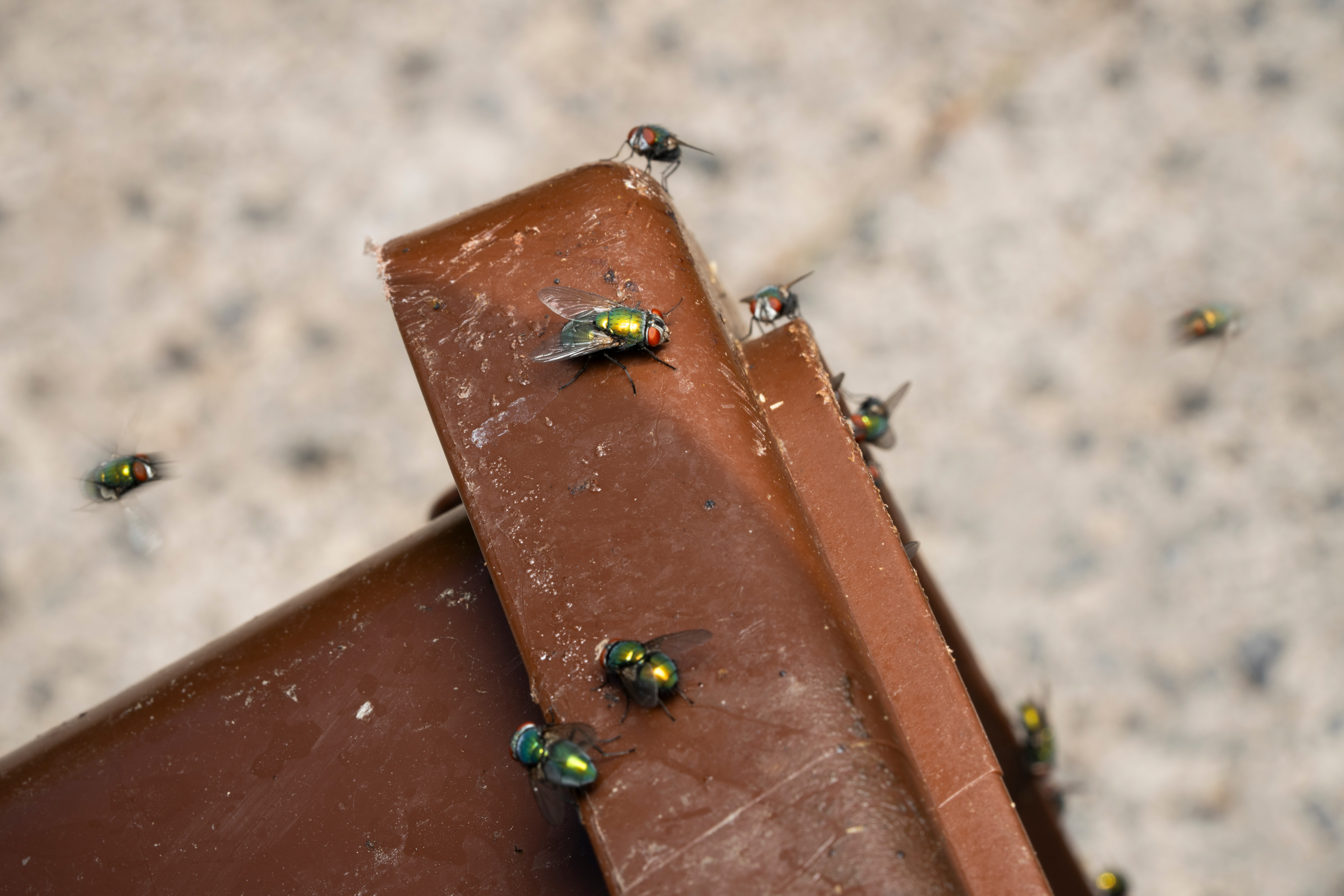
Wake Forest’s thriving outdoor dining scene has transformed White Street and surrounding areas into popular destinations for food lovers. Restaurants with patios and sidewalk seating now serve hundreds of guests weekly, creating perfect conditions for unwanted visitors: flies. When temperatures climb and humidity rises, these pests multiply rapidly, posing serious challenges for restaurant owners who work hard to maintain their reputation and meet health standards.
Why Does Outdoor Dining in Wake Forest Create Prime Conditions for Flies?
Wake Forest’s climate and dining culture combine to produce conditions that attract multiple fly species. North Carolina’s warm springs and hot summers create temperatures ranging from 75°F to 95°F during peak outdoor dining months. These temperatures allow flies to complete their life cycles in just 7-12 days, meaning populations can explode within weeks.
The combination of food aromas, moisture from beverages, and organic waste creates what pest control professionals call a “fly magnet.” When restaurants on White Street set up their outdoor seating areas, they unknowingly establish multiple attractants:
Environmental factors that draw flies to restaurant patios:
- Food preparation smells – Grilled meats, fresh produce, and sweet drinks release volatile compounds that flies can detect from blocks away
- Moisture accumulation – Condensation from drinks, cleaning water, and nearby landscaping irrigation provides necessary hydration
- Organic matter buildup – Crumbs, spills, and plant debris accumulate in cracks between pavers and under furniture
- Ambient heat retention – Brick buildings and concrete surfaces in downtown areas hold warmth, extending fly activity into evening hours
- Limited air circulation – Many patios feature walls or barriers that reduce natural airflow, allowing flies to land and feed more easily
Wake Forest’s mix of historic and modern dining establishments presents unique challenges. Older buildings with basement restaurants along White Street may have drainage issues that create breeding sites, while newer facilities in Renaissance Centre often feature landscaping that retains moisture near dining areas.
“We’ve observed that restaurants underestimate how quickly a small fly problem can become a major infestation during our North Carolina summers. Temperature and humidity work together to accelerate reproduction cycles, meaning what starts as a few fruit flies around the bar can turn into hundreds within two weeks.” – Team at Wake Pest
Which Specific Wake Forest Dining Areas Face the Highest Fly Pressure?
Not all outdoor dining locations experience equal fly pressure. Specific characteristics of each area determine the severity of problems restaurant owners face. White Street establishments encounter different challenges compared to locations near Factory coffeehouse or in the Renaissance Centre area.
Downtown White Street corridor:
The historic downtown stretch faces unique challenges because of building age and density. Many restaurants operate in structures built before modern pest management considerations. Basement locations, common along this street, often have moisture issues from older plumbing systems. The close proximity of restaurants means flies attracted to one establishment can easily move to neighboring patios. Dumpsters and waste collection points serve multiple businesses in limited alley space, concentrating odors that attract flies from wider areas.
Front Street locations:
Restaurants in this area benefit from more modern construction but face challenges from nearby green spaces and water features. Landscaping designed to beautify outdoor dining areas can also create perfect breeding conditions when mulch stays moist or decorative plants retain water. Standing water in planters or fountain features provides egg-laying sites for certain fly species.
Renaissance Centre restaurants:
This newer development faces different pressures. The mix of retail and dining creates high foot traffic, increasing the frequency of doors opening and allowing flies easy entry. Outdoor spaces here often include more elaborate landscaping with irrigation systems that can create moisture problems. The proximity to parking areas means flies attracted to car trash or food debris can easily reach dining patios.
Locations near Factory coffeehouse and coffee shops:
Coffee shops and cafes face particular challenges with fruit flies and drain flies. Sweet syrups, milk waste, and coffee grounds provide excellent breeding material. Many of these establishments feature outdoor seating where customers linger for extended periods, increasing the likelihood of spills and dropped food attracting pests. The coffee brewing process itself releases organic odors that, while pleasant to humans, also attract certain fly species.
| Location Type | Primary Fly Species | Peak Problem Season | Main Attractant |
|---|---|---|---|
| Downtown White Street | House flies, blow flies | June-September | Concentrated waste areas |
| Front Street establishments | House flies, drain flies | May-October | Landscaping moisture |
| Renaissance Centre | House flies, fruit flies | April-October | High foot traffic |
| Coffee shop patios | Fruit flies, drain flies | Year-round | Sweet beverages, drains |
What Makes Restaurant Patios Particularly Vulnerable to Fly Problems?
Outdoor dining spaces present challenges that indoor environments don’t face. The lack of physical barriers means flies have constant access, while the nature of outdoor service creates conditions that accelerate infestations. Understanding these vulnerabilities helps restaurant owners recognize problems before they become serious.
Bus stations and service areas receive less attention than dining spaces but create major problems. When servers place dirty dishes in bus tubs on patios, they create temporary feeding stations for flies. A single uncovered bus tub filled with plates from lunch service can attract dozens of flies within minutes. These flies then spread to customer tables, creating the exact experience diners want to avoid.
Trash receptacles pose constant challenges for outdoor spaces. While indoor trash stays contained until removal, outdoor bins must often remain accessible throughout service. Even with covers, the constant opening and closing releases odors that signal food availability to flies searching for breeding sites. Warm outdoor temperatures accelerate decomposition, intensifying smells and increasing attraction.
Patio design elements that inadvertently attract flies:
- Overhead structures without fans – Pergolas and awnings that block wind create calm zones where flies can easily land and feed
- Decorative water features – Fountains, birdbaths, or artificial ponds near seating areas provide breeding sites for some fly species
- Outdoor bars with exposed fruit garnishes – Lemon, lime, and orange slices left uncovered during service attract fruit flies within hours
- Ground-level planters with organic mulch – Decomposing wood chips and plant material create ideal breeding conditions when kept moist
- String lighting without sufficient air movement – Decorative lights attract flies during evening service when indoor lights would otherwise draw them away
“Restaurant owners often focus on aesthetics when designing outdoor spaces, which makes sense from a customer experience perspective. What we help them understand is that certain beautiful features can actually work against them when it comes to pest management. A fountain might look great, but if it’s creating a breeding ground right next to your dining area, it’s costing you customers.” – Team at Wake Pest
The timing of outdoor service compounds these problems. Many Wake Forest restaurants see their heaviest patio traffic during afternoon and early evening hours when fly activity naturally peaks. Flies are most active when temperatures range between 80°F and 90°F, which coincides exactly with popular lunch and happy hour times.
How Do Different Fly Species Impact Outdoor Dining Experiences?
Not all flies present the same challenges for restaurant owners. Different species have distinct behaviors, breeding habits, and health risks. Recognizing which flies are causing problems helps determine the most suitable solution approach.
House flies represent the most common pest in outdoor dining areas. These gray-bodied flies measure about ¼ inch long and feature four dark stripes on their bodies. They’re attracted to all food types and will land on anything edible, making them particularly problematic for restaurants. House flies carry bacteria on their bodies and in their digestive systems, transferring pathogens to surfaces and food through both landing and regurgitation. Their ability to reproduce rapidly means a small population can become an infestation within weeks.
Fruit flies create different but equally serious problems. These tiny flies, barely ⅛ inch long, have distinctive red eyes and tan bodies. They’re drawn to fermenting fruits, sugary beverages, and any sweet organic material. Bars and restaurants serving fresh juice, cocktails, or keeping fruit garnishes face particular challenges with this species. Fruit flies can complete their entire life cycle in just 8-10 days under optimal conditions, meaning populations can explode before owners realize there’s a problem. They’re especially troublesome because they can breed in drains, mop buckets, and other areas that staff might not regularly inspect.
Behavioral differences between major fly species:
- House flies – Active fliers that move between tables, food, and waste areas; attracted to all food types; breed in organic waste and feces
- Fruit flies – Hover around beverages and fruit; weak fliers that stay close to food sources; breed in drains and fermenting organic material
- Blow flies – Metallic blue or green bodies; attracted to meat and protein sources; indicate possible dead animal nearby if found indoors
- Drain flies – Small with fuzzy, moth-like appearance; emerge from floor drains; indicate organic buildup in plumbing
- Phorid flies – Tiny with hunched backs; run in short, jerky movements; breed in organic material in moist, hidden areas
| Fly Species | Size | Life Cycle Duration | Common Breeding Sites | Health Risk Level |
|---|---|---|---|---|
| House Fly | ¼ inch | 10-14 days | Garbage, organic waste | High |
| Fruit Fly | ⅛ inch | 8-10 days | Drains, fermenting fruit | Moderate |
| Blow Fly | ⅓ inch | 14-18 days | Animal carcasses, meat waste | High |
| Drain Fly | ⅙ inch | 12-14 days | Pipe buildup, floor drains | Low |
| Phorid Fly | ⅛ inch | 14-21 days | Organic debris, sewage | Moderate |
Blow flies deserve special attention because their presence often indicates a more serious underlying problem. These larger flies with metallic coloring are attracted to decaying animal matter. Finding them around a restaurant patio might mean there’s a dead rodent in the walls, a problem with the dumpster area, or issues with meat waste disposal. They pose significant health risks because they often feed on contaminated sources before landing on restaurant surfaces.
What Health Code Violations Do Flies Create for Restaurants?
Health inspectors take fly problems seriously because these pests directly threaten food safety. Flies can transmit over 65 different diseases to humans, including foodborne illnesses that can close restaurants and destroy reputations. When flies land on food preparation surfaces, serving areas, or food itself, they deposit bacteria carried from previous feeding sites.
Health departments consider visible fly activity in dining areas a critical violation in many cases. Inspectors look for signs of fly presence including the pests themselves, dead flies on window sills, fly specks on walls and ceilings, and breeding sites like uncovered trash or standing water. A single inspection finding significant fly activity can result in immediate corrective action requirements, point deductions, and mandatory follow-up inspections.
“We’ve seen restaurants receive failing grades from health inspections primarily because of fly problems that owners thought were ‘normal’ for outdoor dining. What they didn’t realize is that health inspectors have specific criteria for acceptable pest levels, and what seems like just a few flies to a restaurant owner might be enough to fail an inspection.” – Team at Wake Pest
What Immediate Actions Can Restaurant Owners Take to Reduce Fly Problems?
Before investing in professional Fly Control services, restaurant owners can implement several strategies to reduce fly pressure. These actions address the most common attractants and breeding sites while improving overall sanitation practices.
Waste management represents the single most impactful change most restaurants can make. Flies can detect food odors from remarkable distances, and improperly managed waste acts as a beacon. Keep all outdoor trash receptacles covered with tight-fitting lids, and empty them at least twice daily during peak season. Position dumpsters as far from dining areas as possible, and schedule more frequent pickup during summer months when decomposition accelerates. Clean trash receptacles weekly with hot water and sanitizer to remove residue that continues attracting flies even after waste is removed.
Daily operational changes that reduce fly attraction:
- Bus tub protocols – Never leave bus tubs on patios for more than five minutes; cover them or move them indoors immediately after clearing tables
- Spill response timing – Clean all beverage spills within two minutes; sugary drinks attract fruit flies almost instantly
- Floor sweeping schedules – Sweep outdoor dining areas after each service period; remove all visible food particles from cracks between pavers
- Drain maintenance – Flush floor drains daily with hot water and enzymatic cleaner to prevent organic buildup where flies breed
- Produce storage – Implement first-in-first-out rotation; inspect deliveries for overripe items that might contain fruit fly eggs
- Beverage station organization – Cover all garnish containers; refrigerate cut fruit; seal simple syrup and other sweet liquids between uses
Air movement creates a physical barrier that flies struggle to penetrate. Installing ceiling fans above outdoor seating areas makes it difficult for flies to land on tables and food. Position fans to create overlapping air currents that cover the entire dining space. Flies are weak fliers compared to many insects, and even modest air movement significantly reduces their ability to approach customers and their meals.
Lighting choices influence where flies congregate during evening service. Standard incandescent and LED lights attract flies because they emit wavelengths the insects perceive as navigation cues. Switch to yellow-tinted bulbs for outdoor areas, which flies find less attractive. Position lights away from seating areas when possible, drawing flies to the periphery rather than toward customers.
When Should Restaurant Owners Call Professional Fly Control Services?
Some fly situations require professional intervention. While basic sanitation and management changes help prevent problems, established infestations or recurring issues signal the need for expert assessment and treatment. Recognizing when to call professionals can prevent minor annoyances from becoming business-threatening problems.
If you see more than five flies at one time in your dining area, professional help is warranted. This threshold indicates population levels that daily cleaning won’t control. Multiple flies suggest nearby breeding sites producing new adults faster than you can eliminate them. Health inspectors use similar thresholds when evaluating establishments, making professional control a necessity rather than an option.
Recurring fly problems despite improved sanitation indicate hidden breeding sites that require professional identification. If you’ve implemented strict waste management, improved cleaning protocols, and installed fans but still see regular fly activity, there’s likely a source you haven’t located. Professionals have the training and tools to find these hidden breeding areas, whether they’re in drainage systems, wall voids, or nearby properties affecting your establishment.
Warning signs that professional intervention is needed:
- Customer complaints – Any guest feedback mentioning flies requires immediate professional assessment to prevent negative reviews
- Different fly species appearing – Multiple species indicate various breeding sites requiring comprehensive treatment plans
- Flies in kitchen areas – Pests moving from outdoor to indoor spaces suggest population pressure exceeding natural barriers
- Seasonal return patterns – Infestations returning each spring or summer indicate overwintering populations on the property
- Dead flies accumulating – Finding dead flies on window sills or in corners suggests breeding occurring inside the building
- Inspections revealing violations – Health code citations related to flies require professional documentation of corrective actions
The speed of fly reproduction means waiting to see if problems resolve themselves usually makes situations worse. A fruit fly population can increase tenfold within two weeks under favorable conditions. What starts as an occasional nuisance can become an infestation requiring extensive treatment and potentially forcing temporary closure of outdoor dining areas.
“Timing matters significantly with fly control. Restaurant owners who call us when they first notice a pattern of fly activity typically solve their problems with basic interventions. Those who wait until customers are complaining or health inspectors are involved often need much more extensive treatment and face higher costs because populations have had time to establish multiple breeding sites.” – Team at Wake Pest
How Does Professional Fly Control Work for Wake Forest Restaurants?
Professional Commercial Pest Control services take a systematic approach to fly management that addresses both immediate problems and long-term prevention. Understanding this process helps restaurant owners know what to expect and how to prepare for treatment.
The initial inspection identifies all factors contributing to fly problems. Technicians examine not just the dining areas where customers see flies but also waste storage, drainage systems, landscaping, and neighboring properties. This comprehensive assessment reveals breeding sites, attractants, and entry points that might not be obvious to restaurant staff. Technicians document findings with photos and detailed notes, creating a baseline for measuring improvement.
Species identification guides treatment selection. Different flies require different approaches because they breed in different locations and respond to different control methods. House flies breeding in dumpster areas need different treatment than fruit flies reproducing in floor drains. Professional technicians can identify species and customize solutions accordingly.
Components of comprehensive restaurant fly control programs:
- Source elimination – Removing breeding sites through improved waste management, drain cleaning, and moisture control
- Exclusion methods – Installing screens, door sweeps, and air curtains to prevent flies from entering buildings
- Sanitation guidance – Training staff on cleaning protocols specific to fly prevention in food service environments
- Monitoring systems – Placing fly traps that help track population levels and identify new breeding areas
- Targeted treatments – Applying food-safe products to breeding sites when necessary to interrupt reproduction cycles
- Documentation services – Providing records that satisfy health department requirements for pest management programs
Treatment methods vary based on the severity and location of infestations. For outdoor dining areas, professionals often recommend physical controls like fans and screens before chemical interventions. When pesticides are needed, food-safe products designed for restaurant use are applied to specific breeding sites rather than broad spraying that might contaminate food preparation areas.
Ongoing monitoring ensures treatments remain effective and catches new problems early. Regular service visits allow technicians to adjust strategies based on seasonal changes, new fly species arriving, or changes in restaurant operations. This proactive approach prevents the cycle of infestation, treatment, and re-infestation that frustrates many restaurant owners.
| Treatment Type | Best For | Timeline to Results | Maintenance Needed |
|---|---|---|---|
| Source Elimination | All fly problems | 7-14 days | Daily sanitation |
| Physical Barriers | Preventing entry | Immediate | Quarterly inspection |
| Drain Treatments | Fruit/drain flies | 10-21 days | Weekly application |
| Fly Traps | House flies | Immediate | Monthly servicing |
| Exterior Treatments | Outdoor breeding | 14-21 days | Monthly reapplication |
What Prevention Strategies Keep Flies Away Long-Term?
Sustainable fly control requires ongoing commitment to practices that prevent infestations rather than just treating them after they occur. Restaurant owners who build these strategies into their operations avoid the repeated cycles of infestation that plague many food service establishments.
Staff training creates the foundation for long-term success. Every employee should understand how their actions influence fly problems. Servers need to know why removing dishes quickly matters. Kitchen staff must recognize that leaving a single produce box on the loading dock can start a fruit fly infestation. Managers should be able to spot early warning signs before populations explode. Regular training sessions that reinforce these concepts help maintain standards even as staff members change.
Building maintenance addresses structural issues that give flies access and breeding opportunities. Repair cracks in exterior walls and foundations where flies can enter. Fix leaking pipes that create moisture problems. Replace damaged door seals and window screens. These repairs might seem unrelated to pest control, but they eliminate the pathways and conditions flies need to establish themselves.
Seasonal adjustments that maintain fly-free outdoor dining:
- Spring preparation – Deep clean all drains and outdoor areas before warming temperatures trigger fly reproduction; inspect and repair exclusion barriers
- Summer intensification – Increase trash removal frequency; add extra fans to outdoor areas; extend cleaning schedules to cover peak activity times
- Fall transition – Remove dying plants that attract flies seeking late-season breeding sites; clean outdoor furniture before storage
- Winter planning – Schedule infrastructure repairs; update staff training materials; review seasonal data to identify patterns
Relationship with neighboring businesses affects fly pressure on your establishment. If the restaurant next door has lax sanitation standards, their fly problems will become your fly problems. Participate in downtown merchant associations and work collectively on waste management, dumpster placement, and shared outdoor spaces. This collaborative approach benefits all businesses and creates a more pleasant environment for customers throughout the area.
Documentation helps track what works and what doesn’t. Keep records of when fly problems occur, what treatments you applied, and what results you achieved. This data reveals patterns that might not be obvious from day-to-day observations. You might discover that fly problems spike every year two weeks after a particular supplier starts delivering produce, or that a specific weather pattern always triggers increased activity.
Frequently Asked Questions
Why do flies seem worse at my restaurant than at neighboring establishments?
Differences in fly pressure between restaurants often come down to specific attractants or breeding sites unique to your property. Your waste storage might be closer to dining areas, you might have drainage issues creating breeding sites, or differences in menu items could produce stronger odors. Professional inspection can identify these specific factors and address them directly.
Can I use bug zappers on my outdoor patio?
Bug zappers are not recommended for restaurant patios because they kill flies directly above food service areas, potentially scattering insect fragments onto tables and food. They can also attract more flies to your property than they eliminate. Air circulation from fans and proper sanitation provide better results for outdoor dining spaces.
How quickly can a fly infestation develop?
Under optimal conditions with temperatures between 80-90°F and available breeding sites, house flies can complete their life cycle in 10-14 days and fruit flies in just 8-10 days. A single female house fly can lay up to 500 eggs in her lifetime, meaning a small population can become a serious infestation within three weeks if conditions remain favorable.
Do outdoor heaters increase fly problems during cooler months?
Yes, patio heaters can extend fly season by creating warm zones where flies remain active even when surrounding temperatures drop. The heat also attracts flies from nearby areas. You might need to maintain fly control measures later into fall and start them earlier in spring if you use outdoor heating.
Are natural fly repellents effective for restaurant patios?
Natural repellents like citronella candles, essential oil diffusers, and herbs have limited effectiveness for restaurant settings. They might deter some flies in small areas, but they can’t compete with the strong food odors that attract pests to restaurants. Professional treatments and proper sanitation provide more reliable protection.
How do I prevent flies from coming indoors from the patio?
Installing air curtains over doors connecting indoor and outdoor spaces creates a barrier flies can’t easily cross. Keep doors closed when not in use, add screens to windows, and maintain positive air pressure inside the building. Address outdoor breeding sites so fewer flies are present near entrances.
What should I do if health inspectors cite fly problems?
Document immediate corrective actions including enhanced cleaning, trash removal, and elimination of identified breeding sites. Contact professional pest control services for inspection and treatment. Request written documentation of services performed to show inspectors during follow-up visits. Most health departments require proof of ongoing professional pest management programs.
Can flies spread diseases even if they don’t land on food?
Yes, flies contaminate surfaces through landing, walking, and defecating. When they land on tables, chairs, or serving utensils, they deposit bacteria that can transfer to hands and then to mouths. This indirect contact still poses health risks, which is why health codes address fly presence in dining areas, not just in food preparation zones.
Conclusion
Wake Forest’s outdoor dining boom has created wonderful opportunities for restaurant owners and great experiences for customers, but it’s also created perfect conditions for fly problems. The combination of warm temperatures, food aromas, and moisture that makes patio dining appealing to guests also attracts these persistent pests. Professional fly control isn’t just about eliminating current infestations – it’s about creating sustainable systems that prevent problems from developing in the first place.
Our technicians at Wake Pest understand the unique challenges facing Wake Forest restaurants, from the historic buildings on White Street to the modern establishments in Renaissance Centre. We know that outdoor dining flies require different approaches than indoor pest problems, and we’ve developed targeted solutions that work with your operations rather than disrupting them.
If you’re dealing with fly problems affecting your outdoor dining area or want to prevent issues before they start, Contact Wake Pest for a comprehensive evaluation. We’ll identify the specific factors attracting flies to your establishment and develop a customized management plan that protects your reputation, satisfies health requirements, and lets your customers enjoy the outdoor dining experience your restaurant works so hard to provide.