
Preconstruction Termite Treatment Services
Pest Control
Preconstruction Termite Treatment in Youngsville, Rolesville, Raleigh & Beyond
Protect your investment from day one with Wake Pest’s professional preconstruction termite treatment services. Our licensed technicians apply EPA-approved termiticides to the soil beneath your foundation before concrete is poured, creating a lasting chemical barrier that helps deter subterranean termites from accessing your structure. This proactive approach is significantly more cost-effective than post-construction treatments and provides comprehensive coverage of every square inch of ground.
With over 15 years of combined industry experience, Wake Pest follows all North Carolina Department of Agriculture guidelines to deliver high-quality workmanship and long-term protection for your new construction project.
Contact us now at (919) 373-3320 to ask any questions regarding ant invasions in Wake Forest.
Frequently Asked Questions
What is preconstruction termite treatment?
Pre-construction termite treatment involves applying liquid termiticides to the soil before your concrete slab is poured. This creates an underground chemical barrier that repels or kills termites, preventing them from reaching your structure’s wood components. We apply the treatment at a rate of one gallon of solution per ten square feet of ground.
When should preconstruction termite treatment be performed?
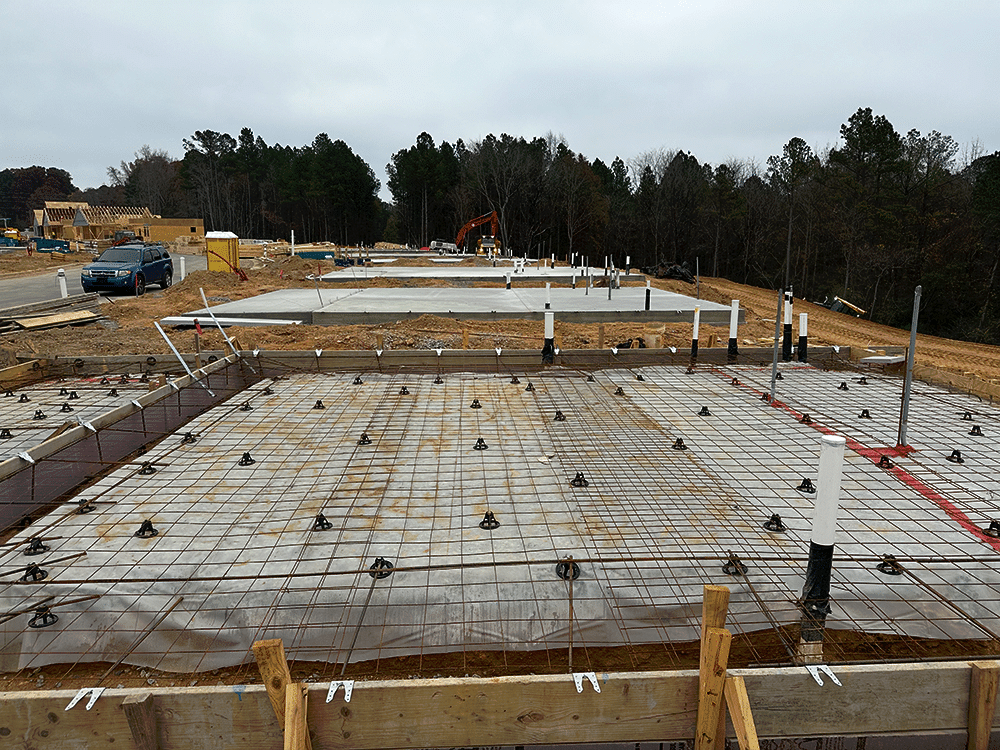
Treatment should occur after the land has been graded and form boards, rebar, and sub-foundation plumbing are installed, but before the concrete slab is poured. This timing ensures maximum coverage and effectiveness while the soil is fully accessible and free from obstructions.
Why choose preconstruction treatment over post-construction options?
Pre-construction treatment is less labor-intensive, uses less termiticide, and costs significantly less than treating an existing structure. We can treat every square inch of ground, creating a more secure barrier than would be possible after construction is complete. This proactive approach also enhances your property’s resale value.
How long does preconstruction termite treatment last?
With proper application following North Carolina building codes, preconstruction treatments provide long-lasting protection. Most new construction homes include a one-year warranty for termite protection that transfers to the buyer. We can discuss ongoing monitoring options and warranty extensions to maintain continuous protection for your home.
What products do you use for preconstruction treatments?
We use EPA-approved liquid termiticides that are safe and dependable when applied by licensed professionals. Our team strictly follows guidelines set by the North Carolina Department of Agriculture & Consumer Services and Structural Pest Control Division to ensure effective, code-compliant protection.
Can termite treatment be added during renovations or additions?
Yes, if you’re pouring new concrete foundations, slabs, or building additions, this is an ideal time to apply preconstruction termite treatment. We can incorporate soil treatments into your remodeling timeline, treating open soil before concrete is poured to create lasting protection.
What happens if termites appear after preconstruction treatment?
We provide thorough inspections, customized treatment proposals, and high-quality workmanship using the best products on the market if termites are discovered. We also offer termite bait stations and liquid booster treatments as additional protection options.
Is preconstruction treatment required by building codes?
Building code requirements vary by location and project type. We’re fully licensed and certified, ensuring all our treatments comply with North Carolina Department of Agriculture requirements and local building codes. Contact us to discuss specific requirements for your construction project.
Contact us now at (919) 373-3320 or online if you have any questions about securing your home or business from pesky invaders.
Ready To Say Goodbye To Pests?
Free Estimates Available
Over 15 Years of Experience
Fully Licensed and Locally Owned
THE TEAM YOU CAN TRUST
How to Help Deter Termites in New Construction Projects
Protecting your investment starts before the first load of concrete arrives. By integrating termite management into the construction process, you save money and avoid future headaches. This guide outlines the most effective strategies for keeping your new project termite-free from day one.
Understanding the Subterranean Threat
Termites are relentless. They forage constantly for cellulose, which is found in wood, paper, plus plant-based materials. In nature, they help break down dead trees. In your home, they destroy structural beams, flooring, and cabinetry.
Subterranean termites live underground and build mud tubes to reach food sources above the surface. They can enter through cracks as narrow as a business card. Preventing them requires a multi-layered defense network that blocks their path and eliminates their colonies.
Chemical Soil Treatments
Chemical barriers are the traditional first line of defense. Our licensed pest control professionals apply liquid termiticides to the soil before the slab is poured. This creates a treated zone that termites cannot pass through safely.
Key areas for chemical application include the soil:
- Under the slab: A horizontal barrier sprayed over the entire footprint of the building before the vapor barrier is installed.
- Around the perimeter: A vertical barrier established by trenching and treating the soil around the exterior foundation walls after the final grading.
- Around penetrations: Targeted treatment around pipes and utility conduits where they pass through the slab.
Modern non-repellent termiticides, like Fipronil, are highly effective. Termites do not detect these chemicals. They tunnel through the treated soil, pick up the toxic agent, and transfer it to other colony members. This transfer effect destroys the nest rather than just repelling it.
Physical Barriers
Chemicals degrade over time. Physical barriers provide permanent protection. These materials are built directly into the structure to force termites out into the open where they can be spotted during inspections.
Stainless Steel Mesh
Marine-grade stainless steel mesh is flexible and durable. Installers wrap it around pipe penetrations and across potential entry points in the slab. The mesh openings are too small for termites to squeeze through. Because the mesh is physically integrated into the concrete, it forms a complete seal that lasts the life of the building.
Graded Stone Particles
Basaltic termite barriers use crushed stone particles of a specific size. The particles are too large for termites to move yet pack together too tightly for them to crawl between. This method is popular in certain regions and works well under concrete slabs.
Termite Membranes
Some builders use specialized polymer sheets as both a moisture vapor barrier and a termite shield. These membranes contain a pesticide locked into the plastic matrix. They are installed under the slab and wrapped around the perimeter footing. This dual-purpose solution keeps dampness out and kills insects on contact.
Partnering with Wake Pest
Termite protection is not a DIY job. It requires specialized equipment and access to restricted-use products.
Timing is key. Soil treatments must happen after the grading is finished yet before the vapor barrier is laid. Physical barriers need to be fixed in place before the concrete trucks arrive. If you miss these windows, you lose the opportunity for the most effective protection.
Schedule a consultation with Wake Pest to review your architectural plans. We can identify high-risk areas and recommend the specific combination of barriers, treatments, and materials that fits your budget and local building codes.