
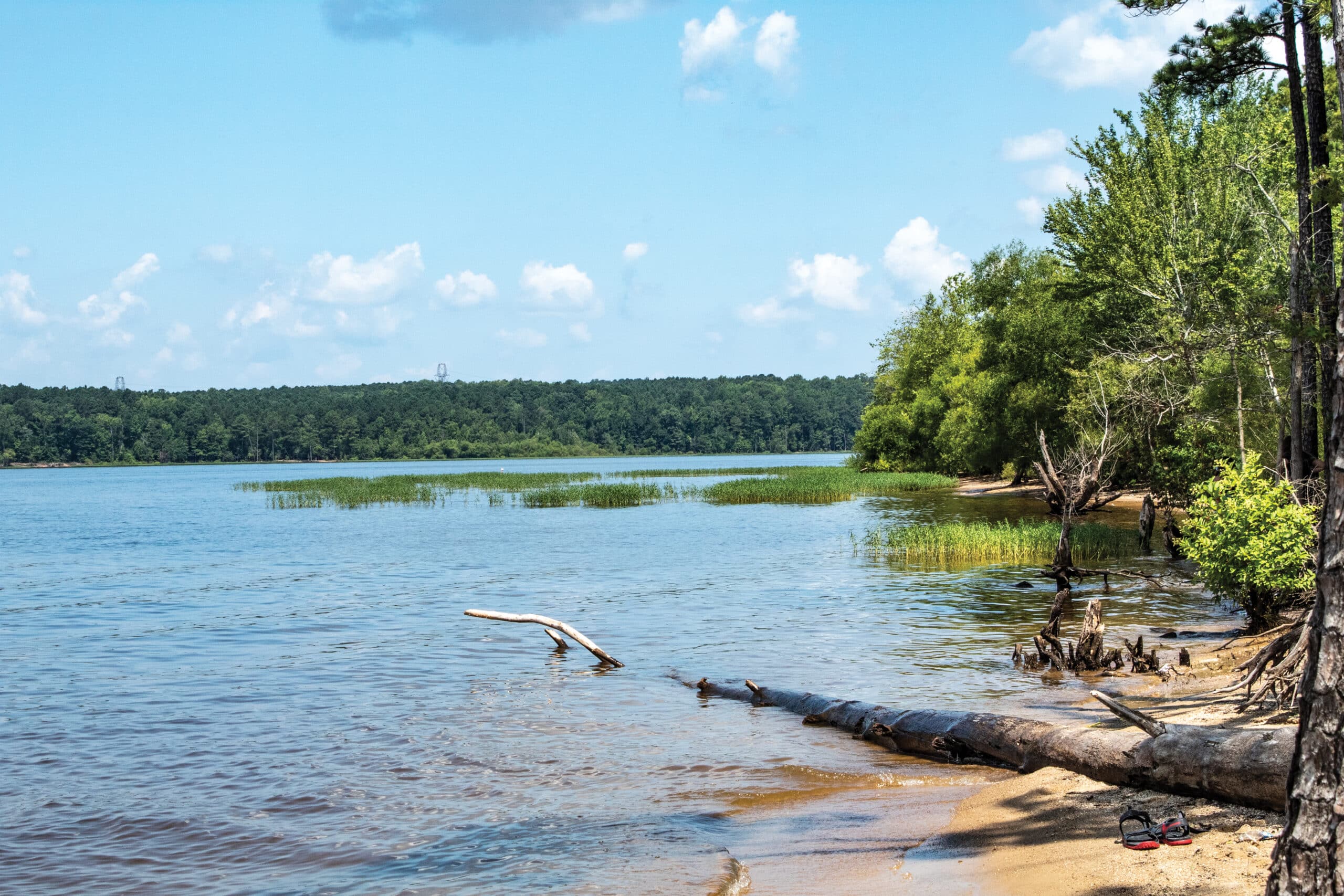
Living near water in Wake Forest offers beautiful views and recreational opportunities, yet waterfront homeowners face a persistent challenge: mosquitoes. Properties along Falls Lake, Smith Creek Marina, Lake Lynn, and E Carroll Joyner Park experience higher mosquito activity than inland locations. Understanding why these pests thrive near water helps you protect your family and reclaim your outdoor spaces.
Why Do Lakefront Properties Attract More Mosquitoes Than Inland Homes?
Waterfront locations provide the perfect conditions for mosquitoes to complete their life cycle. Female mosquitoes require standing water to lay eggs, and lakefront properties offer countless breeding sites within a short flight distance. The proximity to water sources creates a constant supply of new mosquitoes throughout the warm months.
Temperature regulation near large bodies of water also plays a role. Lakes moderate temperatures, creating slightly cooler and more humid conditions that mosquitoes prefer. The vegetation density common along shorelines provides shelter from wind and predators, allowing mosquito populations to flourish.
Common Mosquito Attractants at Waterfront Properties:
- Natural Shoreline Vegetation: Dense grasses, cattails, and shrubs create protected resting spots where mosquitoes hide during daylight hours and wait to ambush hosts.
- Docks and Boat Lifts: Shaded areas underneath these structures trap moisture and create cool zones where mosquitoes congregate, especially during peak sun hours.
- Decorative Water Features: Ponds, fountains, and birdbaths intended to beautify your property can become mosquito nurseries if water circulation stops or stagnates.
- Irrigation Systems and Drainage: Poorly designed drainage around lakefront landscaping creates puddles that persist for days, giving mosquito larvae enough time to mature into adults.
- Storm Debris: Fallen branches, leaf litter, and natural depressions near the waterline collect rainwater and become hidden breeding sites that persist throughout the season.
Property owners living within 500 feet of water can experience mosquito populations five to ten times higher than properties just a quarter-mile inland. This concentration occurs because mosquitoes typically stay within 100 to 300 feet of their emergence site, making waterfront zones prime real estate for these pests.
The homes we service around Falls Lake and Smith Creek Marina see consistent mosquito pressure from April through October. We’ve found that homeowners who wait until they notice a problem are already dealing with multiple generations of mosquitoes. Starting treatments before peak season makes a measurable difference in outdoor comfort.
What Makes Waterfront Areas Prime Mosquito Breeding Grounds?
Mosquitoes need just a bottle cap’s worth of water to complete their reproductive cycle. Lakefront properties offer thousands of potential breeding sites, from obvious water sources to hidden pockets that collect moisture. Understanding these breeding locations helps you target your prevention efforts where they matter most.
The transition zone between land and water creates unique microclimates. Morning dew lingers longer in shaded shoreline areas, keeping surfaces moist well into the afternoon. This extended moisture allows mosquito eggs to remain viable until the next rain creates standing water, even in locations that appear dry most of the time.
Key Breeding Site Categories at Lake Properties:
| Breeding Site Type | Common Locations | Larvae Development Time | Prevention Difficulty |
|---|---|---|---|
| Natural Containers | Tree holes, bamboo stumps, leaf axils | 7-10 days | High |
| Artificial Containers | Buckets, tarps, boat covers, toys | 5-7 days | Low |
| Vegetation Puddles | Dense grass clumps, mulch beds | 8-12 days | Medium |
| Infrastructure Water | Gutters, downspouts, catch basins | 6-9 days | Low |
| Shoreline Pools | Coves, marsh edges, flood debris | 10-14 days | Very High |
Wake Forest’s lake communities experience fluctuating water levels throughout the year. When water recedes, it leaves behind depressions, tire ruts, and divots that fill with rain. These temporary pools become mosquito factories, producing hundreds of adults from a single puddle before the water evaporates.
Aquatic vegetation near shore creates another challenge. Plants like water lilies and lotus provide surface area where mosquitoes lay eggs. The leaves trap organic debris that decomposes in the water, creating nutrient-rich conditions that accelerate larval development. A single patch of aquatic plants can support multiple mosquito species at different life stages.
Professional Mosquito Control services understand these breeding patterns and treat both obvious and hidden sites. Treatment plans for lakefront properties differ from standard residential services because they account for the unique water-related challenges these homes face.
How Do Seasonal Changes Affect Mosquito Populations Near Wake Forest Lakes?
Mosquito activity near Wake Forest’s waterways follows predictable seasonal patterns, yet each year brings variations based on rainfall, temperature, and humidity. Understanding these cycles helps you time your prevention efforts for maximum effect.
Spring emergence typically begins in late March when soil temperatures reach 50°F. The first mosquitoes you notice are overwintering adults that survived the cold months in protected locations. These survivors lay eggs quickly, creating the first generation of the season. By mid-April, lakes like Falls Lake and Lake Lynn see noticeable mosquito activity around docks and picnic areas.
Seasonal Mosquito Activity Patterns:
- Early Spring (March-April): Overwintering species become active on warm afternoons. Cool nights still limit their activity, giving you a window to establish preventive treatments before populations explode.
- Late Spring (May-June): Rising temperatures accelerate breeding cycles. What took 14 days in April now happens in 7 days. Multiple species overlap, creating all-day biting pressure rather than just dawn and dusk activity.
- Summer Peak (July-August): Maximum mosquito diversity and density occurs during the hottest months. Afternoon thunderstorms create countless new breeding sites, while high humidity keeps mosquitoes active longer each day.
- Early Fall (September-October): Populations remain high through September. October brings cooler nights that slow breeding, yet warm afternoons still support active mosquitoes seeking blood meals to prepare for winter.
- Late Fall (November): First hard frost triggers the end of the season. Some cold-adapted species remain active until Thanksgiving in mild years, particularly around E Carroll Joyner Park’s protected wetlands.
Rainfall patterns dramatically impact mosquito populations near water. A dry spring means fewer breeding sites, yet summer storms can trigger population explosions within days. Properties near Falls Lake experienced this in recent years when May droughts gave way to June flooding, creating ideal conditions for mosquito breeding in newly flooded areas.
Monthly Mosquito Pressure at Wake Forest Lake Properties:
| Month | Activity Level | Primary Species | Treatment Priority |
|---|---|---|---|
| March | Low | Culex pipiens | Establish baseline |
| April | Moderate | Aedes vexans, Culex | Begin prevention |
| May | High | Multiple species | Active treatment |
| June | Very High | Aedes albopictus peak | Intensive treatment |
| July | Very High | All species active | Maintain coverage |
| August | High | Culex quinquefasciatus | Consistent treatment |
| September | Moderate-High | Mixed populations | Continue protection |
| October | Moderate | Cold-tolerant species | Extended season care |
We track weather patterns closely for our lakefront clients. When we see three consecutive days of rain forecast during warm months, we know mosquito populations will spike 10 to 14 days later. Proactive treatment before those conditions pays off compared to waiting until homeowners can’t use their docks or patios.
Which Mosquito Species Are Most Common Around Falls Lake and Nearby Waterways?
Wake Forest’s lake communities host at least a dozen mosquito species, yet five species account for most biting activity. Each species has distinct behaviors, habitat preferences, and peak activity times. Recognizing these differences helps explain why you might get bitten during an afternoon barbecue while your neighbors hosting evening gatherings have no problems.
The Asian tiger mosquito (Aedes albopictus) dominates daytime biting near lakefront homes. This aggressive black-and-white striped species arrived in North Carolina decades ago and thrives in both natural and artificial containers. Unlike many mosquitoes, this species bites throughout the day, making outdoor activities challenging from morning until dusk.
Primary Mosquito Species at Wake Forest Waterfront Properties:
- Asian Tiger Mosquito (Aedes albopictus): Active all day, especially midmorning and late afternoon. Breeds in small containers and plant saucers. Strong fliers that follow people indoors. Capable of transmitting several viruses affecting humans and pets.
- Eastern Saltmarsh Mosquito (Aedes sollicitans): Despite the name, breeds in freshwater flood pools near lake edges. Aggressive biter at dawn and dusk. Can fly several miles from breeding sites, explaining why properties far from standing water still have problems.
- Common House Mosquito (Culex pipiens): Active from dusk through night. Prefers polluted water rich in organic matter. Often breeds in storm drains and ditches. Primary species responsible for evening patio invasions around Smith Creek Marina area.
- Southern House Mosquito (Culex quinquefasciatus): Similar habits to Culex pipiens yet more heat-tolerant. Peaks in July and August. Breeds in nutrient-rich water including poorly maintained ornamental ponds. Most active after 8 PM through midnight.
- Inland Floodwater Mosquito (Aedes vexans): Emerges in huge numbers after heavy rains flood grassy areas near shorelines. Bites aggressively at dusk. Short-lived yet produces massive temporary populations that can overwhelm unprepared homeowners.
Species diversity matters because different mosquitoes require different control strategies. Container-breeding species like the Asian tiger mosquito respond well to eliminating artificial breeding sites. Floodwater species need treatments timed to rainfall patterns. Professional services adjust their approaches based on which species dominate your property at different times of the season.
Disease transmission potential varies by species. While most mosquito bites are just annoying, some species around Wake Forest’s lakes can carry West Nile virus, Eastern equine encephalitis, and dog heartworm. The Southern house mosquito poses particular concern because it feeds primarily on birds, which can carry West Nile virus, then bites humans later in the night.
What Preventive Measures Work Best for Shoreline Properties?
Effective mosquito prevention at lakefront homes requires a layered approach. No single method eliminates all mosquitoes, yet combining physical barriers, habitat modification, and targeted treatments creates zones where your family can enjoy outdoor activities without constant harassment.
Start with the areas you control completely. Walk your property weekly during mosquito season, looking for any container that holds water for more than three days. This includes obvious items like children’s toys and less obvious spots like upturned equipment, hollow fence posts, and the saucers under potted plants. Empty, cover, or treat these containers before mosquitoes complete their development cycle.
Effective Lakefront Mosquito Prevention Strategies:
- Vegetation Management: Trim back shoreline vegetation to reduce resting sites. Keep grass near the water mowed short. Thin dense shrub plantings to increase air circulation, which mosquitoes avoid. Create a 10-foot buffer of short plants between your lawn and natural shoreline vegetation.
- Water Feature Maintenance: Install circulation pumps in decorative ponds. Add mosquito dunks containing Bacillus thuringiensis israelensis (BTI) to birdbaths weekly. Clean and refill water features regularly. Stock ornamental ponds with mosquito-eating fish like gambusia or goldfish.
- Structural Modifications: Screen in porches and gazebos. Install door sweeps and repair window screens. Add fans to outdoor seating areas since mosquitoes struggle to fly in sustained airflow above 3 mph. Extend gutters away from the foundation to prevent pooling.
- Dock and Watercraft Care: Store boats properly covered or flipped to prevent rainwater accumulation. Drill drainage holes in dock sections that trap water. Remove or drain floatation devices regularly. Clean debris from under docks monthly during peak season.
- Timing Outdoor Activities: Plan gatherings for times when mosquito activity drops. Most biting occurs during the two hours after sunset and the two hours before sunrise. Midday events, while hot, see reduced mosquito activity for most species except the Asian tiger mosquito.
Personal protection matters when prevention alone cannot eliminate exposure. Use EPA-registered repellents containing DEET, picaridin, or oil of lemon eucalyptus when working in the yard or relaxing by the water. Wear long sleeves and pants during peak biting hours. Light-colored clothing shows fewer mosquitoes and feels cooler in summer heat.
Mosquito Prevention Effectiveness by Method:
| Prevention Method | Effectiveness | Duration | Best Application |
|---|---|---|---|
| Container elimination | High (90%+) | Ongoing | Artificial breeding sites |
| Professional barrier sprays | Very High (85-95%) | 3-4 weeks | Vegetation and structures |
| BTI larvicide | High (80-90%) | 30 days | Standing water sources |
| Vegetation trimming | Moderate (40-60%) | Ongoing | Resting site reduction |
| Fans and air circulation | High (70-85%) | While running | Outdoor living spaces |
| Repellent candles | Low (20-30%) | While burning | Small immediate areas |
Lakefront clients often ask about mosquito traps and zappers. We’ve tested these devices extensively and found limited value for most properties. Traps catch some mosquitoes yet fail to reduce populations enough to notice a difference. The mosquitoes breeding on or near your property vastly outnumber what any trap can capture. We recommend investing in proven barrier treatments instead.
When Should You Schedule Professional Mosquito Treatments?
Timing professional treatments correctly makes the difference between managing mosquito populations and fighting a losing battle. Lakefront properties benefit most from treatments that begin before populations peak and continue through the season on a regular schedule.
Starting service in early April allows professionals to treat overwintering populations before they reproduce. This reduces the founding population for the season, keeping numbers manageable as temperatures rise. Properties that wait until May or June to begin treatment face populations that have already gone through several generations.
Treatment Timing Recommendations for Lake Properties:
- Initial Spring Application (Early April): Targets overwintering adults and first-generation larvae. Establishes baseline protection before peak breeding begins. Treats known resting areas and standing water sources while populations remain low and manageable.
- Pre-Peak Season Treatment (Late April-May): Applies barrier sprays to vegetation before summer growth creates dense coverage. Addresses early breeding sites created by spring rains. Sets up protective barriers before outdoor entertainment season begins.
- Peak Season Maintenance (June-August): Requires treatments every 3 to 4 weeks to maintain protection. Adjusts application sites based on current mosquito activity patterns. Addresses new breeding sites created by summer storms and lawn irrigation.
- Fall Extension (September-October): Continues protection through warm fall weather. Prevents late-season population explosions that can occur during Indian summer conditions. Treats overwintering sites to reduce next year’s founding populations.
- Storm Response Applications: Schedules additional treatments following major rain events that create new breeding sites. Applies within 3 to 5 days after storms before larvae mature. Particularly important after tropical systems affect the region.
Treatment frequency depends on several factors. Properties with dense vegetation or many water features need more frequent service than homes with open lawns. The distance from active breeding sites affects how quickly mosquitoes recolonize treated areas. Homes right on the waterline typically need treatments every 3 weeks, while properties 200 feet from shore can extend to 4-week intervals.
Weather affects treatment timing and longevity. Heavy rain within 24 hours of treatment washes away barrier sprays before they bond to surfaces. Plan treatments when forecasts show at least two dry days ahead. Wind also matters since calm conditions allow better coverage of vegetation and structures where mosquitoes rest.
Professional services adjust their approaches throughout the season. Early season treatments focus on larvae in standing water sources. Summer treatments concentrate on adult mosquitoes resting in vegetation. Fall treatments target both adults seeking shelter and overwintering sites. This seasonal adjustment requires knowledge of mosquito behavior that most homeowners lack.
How Can Landscape Design Reduce Mosquito Populations?
Thoughtful landscape design creates outdoor spaces that naturally discourage mosquito breeding and resting. While you cannot eliminate all mosquitoes through landscaping alone, smart design choices significantly reduce the pest pressure on lakefront properties.
Plant selection affects mosquito habitat quality. Dense, broad-leafed shrubs create humid microclimates that mosquitoes love. Switch to ornamental grasses and plants with thin, upright foliage that dries quickly and provides less shelter. Choose native plants adapted to local conditions since they require less watering, reducing artificial moisture sources.
Landscape Features That Reduce Mosquito Habitat:
- Sloped Grading: Design drainage that moves water away from structures and gathering areas. Create gentle slopes that prevent puddle formation. Direct runoff toward natural drainage courses rather than allowing it to pool in low spots near your patio or dock.
- Hardscape Materials: Replace mulch beds near seating areas with gravel or decorative stone. Mulch retains moisture and provides mosquito resting sites. Stone dries quickly and creates an inhospitable surface. Extend patios and walkways to reduce planted areas adjacent to main living spaces.
- Strategic Plant Spacing: Space shrubs and perennials to allow air circulation. Dense plantings trap moisture and block wind. Open spacing promotes drying and reduces protected resting sites. Follow recommended spacing guidelines, then add another 6 inches between plants.
- Water Management Plants: Install rain gardens with plants that tolerate both wet and dry conditions. These features capture runoff during storms yet dry out between rains, preventing mosquito breeding. Choose deep-rooted species that absorb standing water quickly after storms.
- Border Transitions: Create defined transitions between manicured lawn areas and natural shoreline vegetation. This buffer zone allows you to maintain mosquito control measures while preserving waterfront aesthetics. Keep this transition zone 15 to 20 feet deep for best results.
Irrigation systems require careful design around lakes. Overwatering creates perfect mosquito habitat in lawn and garden areas. Install rain sensors that prevent unnecessary watering. Use drip irrigation for planted beds instead of spray systems that create puddles. Water early in the morning so surfaces dry before evening when mosquitoes become active.
Landscape Design Elements and Mosquito Impact:
| Design Element | Mosquito Impact | Implementation Cost | Maintenance Required |
|---|---|---|---|
| French drains | Very positive | Moderate-High | Low |
| Native grasses | Positive | Low-Moderate | Low |
| Gravel pathways | Positive | Moderate | Very Low |
| Rain gardens | Very positive | Moderate | Moderate |
| Drip irrigation | Positive | Moderate-High | Low |
| Dense shrub removal | Very positive | Low-Moderate | Low |
Lighting choices influence mosquito attraction to outdoor living areas. While mosquitoes navigate primarily by carbon dioxide and heat, bright white lights attract them along with other insects they feed on. Install yellow or amber LED bulbs in outdoor fixtures. Place lights away from seating areas so mosquitoes drawn to illumination stay at the perimeter of your yard.
We work with landscape designers to help lakefront clients balance aesthetics with mosquito management. The properties that struggle most have lush, tropical-style landscaping right up to their patios and docks. Creating 15 feet of open space with low-growing plants and good drainage cuts mosquito pressure dramatically while still maintaining an attractive waterfront setting.
What Role Does Water Management Play in Mosquito Control?
Water management separates successful mosquito control from temporary fixes. Since mosquitoes cannot complete their life cycle without water, controlling moisture on your property attacks the problem at its source. Lakefront properties face unique water management challenges that require consistent attention throughout the warm months.
Standing water becomes productive mosquito habitat within days. A puddle that seems insignificant can produce hundreds of mosquitoes before it dries. Walk your property after each rain, noting where water collects. These chronic problem areas need drainage solutions, not just repeated emptying.
Critical Water Management Areas at Lake Properties:
- Roof Drainage Systems: Clean gutters monthly to prevent overflow and pooling. Extend downspouts at least 10 feet from foundations. Add splash blocks or drainage pipes to move water away from the house. Check that gutter screens remain clear of debris that can trap water.
- Low Spots and Depressions: Fill chronic low spots with soil and reseed. Install French drains in areas where grading changes are impractical. Create swales that channel water toward storm drains or natural drainage courses. Aerate compacted soil that prevents water absorption.
- Recreational Equipment: Store kayaks, canoes, and paddle boards upside down or under cover. Empty children’s pools after each use. Drain wheelbarrows and buckets weekly. Turn over or remove unused items that collect water. Create storage racks that keep equipment elevated and angled for drainage.
- Landscape Water Features: Maintain pumps and filters in ornamental ponds. Add aerators to prevent stagnation. Clean fountains weekly during peak season. Consider removing non-functional water features that have become breeding sites. Treat decorative ponds with BTI larvicide if circulation fails.
- Shoreline Management: Address erosion that creates pools and divots along your waterfront. Install riprap or natural stabilization to prevent new depressions from forming. Fill in old boat ramps or access points that trap water. Monitor water level changes that expose new breeding sites as lakes rise and fall.
Natural water sources near your property require different management approaches. You cannot drain lake coves or eliminate wetlands, yet you can reduce their impact through buffer zones and targeted treatments. Create distance between these natural mosquito habitats and your outdoor living spaces through strategic placement of structures and activity areas.
Temporary water sources deserve special attention. Tire ruts, footprints in mud, and construction excavations fill with rain and become mosquito nurseries. Grade these areas smooth when they appear. Fill ruts with soil before they become permanent features. Cover excavations with tarps during rainy periods if construction work stops.
Water Source Treatment Priorities:
| Water Source Type | Treatment Method | Check Frequency | Success Rate |
|---|---|---|---|
| Gutters and downspouts | Clean and repair | Monthly | Very High |
| Tarps and covers | Drain or remove | Weekly | Very High |
| Plant saucers | Empty or eliminate | Twice weekly | High |
| Ornamental ponds | BTI treatment | Monthly | High |
| Tree holes | Fill or treat | Seasonal | Moderate |
| Marsh edges | Buffer zones | Ongoing | Moderate |
| Storm puddles | Grade and fill | After rain | High |
Irrigation practices create or prevent mosquito problems. Systems that run too long or too frequently saturate soil and create surface water. Adjust timers based on weather and season. Skip cycles after rain. Repair leaking sprinkler heads and valves that create constant wet spots. Switch to drip systems in planted beds where feasible.
Professional Mosquito Control services can identify water management problems you might miss. Technicians know where to look for hidden breeding sites and can recommend drainage solutions specific to your property’s layout. Many issues that seem minor produce significant mosquito populations when left unaddressed.
Frequently Asked Questions
Can mosquito populations be completely eliminated from lakefront properties?
Complete elimination is unrealistic near water because mosquitoes constantly migrate from surrounding areas. Professional treatments combined with source reduction can achieve 85 to 95 percent control, making outdoor spaces comfortable and functional. Maintenance programs keep populations below noticeable levels throughout the season.
How far can mosquitoes travel from breeding sites?
Most mosquitoes stay within 100 to 300 feet of where they emerged, yet some species fly several miles. Floodwater mosquitoes commonly travel a mile or more seeking hosts. This explains why waterfront homes experience mosquito pressure even when they eliminate all standing water on their property.
Are natural mosquito repellent plants effective around lakes?
Plants like citronella grass, marigolds, and lavender have limited repellent effect. Their natural oils must be concentrated and applied to skin to work. Simply planting them in your yard will not create a mosquito-free zone. Mechanical barriers and professional treatments provide measurably better protection.
Do mosquito dunks harm fish or wildlife in nearby water?
BTI mosquito dunks specifically target mosquito and black fly larvae without affecting fish, amphibians, or beneficial insects. The bacteria cannot reproduce in vertebrates. Use these products freely in birdbaths and ornamental ponds. Avoid placing them directly in lakes or streams where they are unnecessary and could drift.
How long do professional mosquito treatments last on waterfront properties?
Barrier treatments typically provide 3 to 4 weeks of protection under normal conditions. Heavy rain, thick vegetation growth, and proximity to breeding sites can shorten effectiveness. Lakefront properties often need more frequent applications than inland homes. Your service provider will recommend a schedule based on your specific situation.
What is the best time of day to treat for mosquitoes?
Early morning or late afternoon treatments work best when mosquitoes rest in vegetation. Avoid treating during peak sun hours when surfaces are hot and sprays evaporate quickly. Calm wind conditions help products reach target areas. Never treat immediately before rain, which washes away barrier sprays before they bond.
Can I treat my own lakefront property for mosquitoes effectively?
Homeowners can manage mosquitoes through source reduction and over-the-counter products, yet professional treatments achieve better results. Proper equipment, professional-grade products, and knowledge of mosquito behavior make the difference. Most DIY efforts fail to address hidden breeding sites and resting areas that trained technicians target.
Conclusion
Lakefront living in Wake Forest offers tremendous lifestyle benefits, yet mosquitoes can prevent you from enjoying your waterfront investment. Understanding why these pests thrive near water and taking proactive measures protects your family and guests throughout the season. Combining habitat management, water control, and professional treatments creates outdoor spaces where you can relax without constant harassment from biting insects.
The technicians at Wake Pest understand the unique challenges lakefront properties face. We have developed treatment protocols specifically for waterfront homes around Falls Lake, Smith Creek Marina, Lake Lynn, and E Carroll Joyner Park. Our approach combines barrier treatments, larvicide applications, and source reduction recommendations tailored to your property’s specific conditions.
If you need help managing mosquito populations at your lakefront property, Contact Wake Pest to schedule an evaluation. We will assess your property, identify breeding sites and problem areas, and recommend a treatment plan that lets you reclaim your outdoor spaces from mosquitoes.