
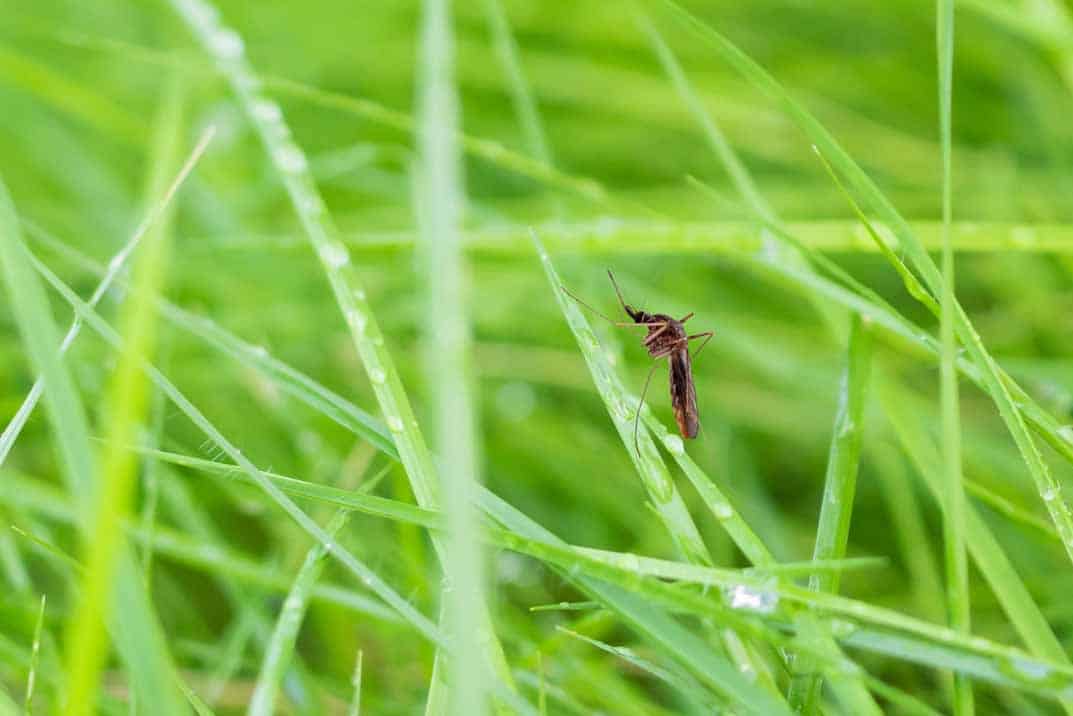
Your lawn represents a significant investment in your property’s value and curb appeal. When destructive insects and grubs move in, they can turn a lush green yard into a patchy, brown eyesore within weeks. Understanding lawn pest control helps you identify problems early and take action before damage spreads across your entire turf. We created this guide to walk you through recognizing signs of pest damage, exploring treatment options, and establishing prevention strategies that keep your yard healthy year-round.
What Are the Most Common Lawn Pests That Damage Grass?
Lawn pests fall into two primary categories: surface-feeding insects that attack grass blades and stems, and subsurface pests that destroy root systems underground. Knowing which pests target your turf helps you select the right lawn insect treatment and time your applications for maximum effectiveness.
Surface-Feeding Lawn Pests
- Chinch Bugs: These small insects measure about 1/6 inch long and thrive in hot, dry conditions. They pierce grass blades with their mouthparts and inject a toxin that causes yellowing and eventual death. Chinch bugs prefer St. Augustine and zoysiagrass but will attack other varieties when populations grow large enough.
- Sod Webworms: The larvae of lawn moths, sod webworms create silk-lined tunnels in thatch and emerge at night to feed on grass blades. They leave behind irregular brown patches and small, green pellet-shaped droppings scattered throughout affected areas.
- Armyworms: Named for their habit of moving across lawns in large groups, armyworms can consume entire sections of turf overnight. These caterpillars feed primarily during early morning and evening hours, leaving behind ragged grass edges and bare spots.
- Billbugs: Adult billbugs chew small holes in grass stems where females deposit eggs. After hatching, larvae bore into stems and eventually move to roots, causing grass to turn brown and pull up easily from the soil.
Subsurface Lawn Pests
- White Grubs: The larvae of Japanese beetles, June bugs, and masked chafers, white grubs represent the most destructive subsurface lawn pest in North America. They feed on grass roots from late summer through fall and again in spring, creating soft, spongy areas where turf lifts away like a loose carpet.
- Mole Crickets: Common in southeastern states, mole crickets tunnel through soil and feed on both roots and grass blades. Their burrowing activity disrupts root systems and creates raised tunnels visible on the lawn surface.
- Ground Pearls: These scale insects attach to grass roots and drain nutrients from the plant. Ground pearl infestations cause circular patches of dying grass that expand over multiple seasons.
“We’ve treated thousands of lawns across the region, and grub damage remains the number one problem homeowners discover too late. By the time brown patches appear, the root system has already suffered significant injury. That’s why we always recommend proactive grub treatments during early summer before larvae start feeding.” – The Team at Wake Pest
Common Lawn Pests and Their Damage Characteristics
| Pest Type | Primary Damage Zone | Peak Activity Season | Visible Signs |
|---|---|---|---|
| White Grubs | Root system | Late summer to fall | Spongy turf, turf lifts easily |
| Chinch Bugs | Grass blades | Summer | Irregular yellow patches |
| Sod Webworms | Grass blades and thatch | Late spring to early fall | Brown patches with silk tunnels |
| Armyworms | Grass blades | Late summer to fall | Rapidly spreading bare spots |
| Mole Crickets | Roots and tunneling | Spring and fall | Raised surface tunnels |
| Billbugs | Stems and roots | Spring to summer | Sawdust-like material at crown |
How Can You Identify Signs of Pest Damage in Your Lawn?
Early detection saves both time and money when dealing with lawn pest problems. Different pests leave distinct patterns and evidence, so learning to read these signs helps you determine what’s attacking your grass and how severe the infestation has become. Many homeowners mistake pest damage for drought stress, disease, or nutrient deficiency, which delays treatment and allows populations to multiply.
Visual Indicators of Lawn Pest Activity
- Brown or Yellow Patches: While many conditions cause discoloration, pest damage typically creates irregular patterns that don’t follow sprinkler coverage areas. Grub damage often appears in spots where birds or raccoons have been digging, since these animals feed on the larvae.
- Turf That Pulls Up Easily: When grass separates from the soil with minimal effort, root-feeding pests like grubs have likely severed the connection between blades and root systems. Healthy grass should resist pulling and remain anchored to the ground.
- Increased Wildlife Activity: Birds pecking at your lawn, skunks digging overnight, or moles creating tunnels often signal a grub problem. These animals can detect larvae beneath the surface and will damage turf while hunting for food.
- Visible Insects on Grass Blades: Part the grass in affected areas during early morning or evening hours to spot surface-feeding pests. Chinch bugs, armyworms, and sod webworms become visible during these cooler periods when they’re most active.
- Moth Activity at Dusk: Large numbers of small, tan or gray moths flying in zigzag patterns above your lawn indicate a sod webworm population. Female moths drop eggs into turf, and heavy moth activity suggests larvae will soon emerge.
We recommend performing a simple soap flush test to confirm pest presence. Mix two tablespoons of liquid dish soap with one gallon of water and pour it over a suspicious area. Surface-dwelling insects will emerge within a few minutes as the solution irritates them. Count the number of pests that appear in a defined area to gauge population density and treatment urgency.
Damage Pattern Identification Guide
| Pattern Type | Most Likely Cause | Verification Method |
|---|---|---|
| Circular expanding patches | Grubs or ground pearls | Dig and examine roots |
| Irregular yellowing along sunny areas | Chinch bugs | Soap flush test |
| Scattered brown spots with webbing | Sod webworms | Part grass and inspect thatch |
| Rapid overnight browning | Armyworms | Evening inspection of grass surface |
| Raised tunnel lines | Mole crickets | Soap flush in tunnel areas |
“The trickiest part of lawn pest control is timing. Homeowners often call us when damage becomes obvious, but by then we’re treating a severe infestation rather than preventing one. We train our technicians to spot early warning signs that most people miss, like subtle changes in grass color or texture that signal trouble before visible damage appears.” – The Team at Wake Pest
What Are the Best Lawn Pest Control Treatments for Grubs and Insects?
Effective grass pest control requires matching the right treatment to the specific pest and timing applications to coincide with vulnerable life stages. Treatments fall into two main categories: preventive applications that stop pests before damage occurs, and curative treatments that eliminate active infestations. Understanding how each approach works helps you make informed decisions about protecting your turf.
Preventive Treatment Options
- Granular Preventive Insecticides: Products containing imidacloprid, clothianidin, or chlorantraniliprole provide season-long protection against grubs when applied in late spring to early summer. These systemic treatments move through soil and into grass roots, killing young larvae as they begin feeding.
- Biological Preventives: Beneficial nematodes, specifically Heterorhabditis bacteriophora species, attack grubs and other soil-dwelling pests naturally. These microscopic organisms enter larvae and release bacteria that kill the host within 24 to 48 hours.
- Milky Spore Disease: This bacterial agent (Bacillus popilliae) targets Japanese beetle grubs specifically and remains active in soil for 10 to 15 years after application. While establishment takes two to three seasons, milky spore provides long-term protection without repeated treatments.
Curative Treatment Options
- Fast-Acting Contact Insecticides: Products containing trichlorfon or carbaryl kill grubs and surface insects within hours of contact. These treatments work best when larvae are young and feeding near the soil surface, typically in late summer.
- Broad-Spectrum Lawn Insecticides: Pyrethroid-based products like bifenthrin and lambda-cyhalothrin provide quick knockdown of surface-feeding pests including chinch bugs, armyworms, and sod webworms. These treatments require direct contact with target insects.
- Systemic Curative Products: Newer insecticides like chlorantraniliprole offer both preventive and curative activity, providing flexibility when pest populations have already established but haven’t caused extensive damage.
Treatment Timing and Effectiveness Comparison
| Treatment Type | Best Application Window | Time to Results | Duration of Protection |
|---|---|---|---|
| Preventive granular | May through early July | 2 to 3 weeks | 3 to 4 months |
| Beneficial nematodes | Late August to September | 1 to 2 weeks | Single application |
| Milky spore | Spring or fall | 1 to 3 years to establish | 10 to 15 years |
| Contact curative | August to early September | 24 to 72 hours | 2 to 4 weeks |
| Pyrethroid surface spray | When pests are active | Hours to 1 day | 2 to 4 weeks |
Professional yard pest control services offer advantages over DIY approaches, particularly for severe infestations or large properties. Licensed applicators have access to commercial-grade products, calibrated equipment that distributes treatments evenly, and the training to identify contributing factors that might cause problems to return. When grub populations exceed eight to ten per square foot or when surface pest damage spreads rapidly, professional treatment typically delivers better results than consumer products.
How Do You Get Rid of Lawn Pests Naturally Without Harsh Chemicals?
Natural lawn pest control methods appeal to homeowners concerned about chemical exposure, environmental impact, or protecting beneficial insects. These approaches work best as part of an integrated pest management strategy that combines cultural practices, biological controls, and targeted treatments when necessary. While natural methods may take longer to show results, they support long-term lawn health and reduce dependence on repeated chemical applications.
Biological Control Methods
- Beneficial Nematodes: These microscopic roundworms actively seek out and destroy grubs, mole crickets, and other soil-dwelling pests. For best results, apply nematodes in late afternoon or evening when soil is moist, and water immediately after application to help them move into the root zone.
- Bacillus thuringiensis (Bt): This naturally occurring soil bacterium produces proteins toxic to caterpillar pests like armyworms and sod webworms. Bt breaks down quickly in sunlight, so evening applications maximize effectiveness.
- Encouraging Natural Predators: Ground beetles, parasitic wasps, and birds all feed on lawn pests. Reducing pesticide use allows these beneficial organisms to establish populations that provide ongoing pest suppression.
- Neem Oil Applications: Derived from the neem tree, this botanical insecticide disrupts pest feeding and reproduction. Neem works as both a contact treatment and a deterrent, though it requires multiple applications for full effectiveness.
Cultural Practices That Reduce Pest Pressure
- Proper Mowing Height: Maintaining grass at the upper end of its recommended height range encourages deeper root growth and creates a denser canopy that resists pest damage. Taller grass shades soil, reducing conditions that favor chinch bugs and other heat-loving pests.
- Appropriate Irrigation: Deep, infrequent watering promotes strong root systems and creates less favorable conditions for surface-feeding insects. Overwatering softens turf and attracts egg-laying beetles, while underwatering stresses grass and makes it more susceptible to damage.
- Thatch Management: Thick thatch layers above half an inch harbor pests and interfere with treatment penetration. Annual dethatching or core aeration opens the turf and allows treatments to reach target pests more effectively.
- Overseeding with Resistant Varieties: Some grass cultivars contain endophytes, beneficial fungi that produce compounds toxic to surface-feeding insects. Perennial ryegrass and tall fescue varieties with endophytes resist sod webworms, chinch bugs, and billbugs naturally.
“Natural pest control takes patience and commitment, but we’ve seen homeowners achieve excellent results with integrated approaches. The key is understanding that healthy lawns resist pests better than stressed lawns. When we help clients improve their cultural practices alongside biological treatments, pest problems often decrease significantly within two to three seasons.” – The Team at Wake Pest
Natural vs. Chemical Treatment Comparison
| Factor | Natural Methods | Chemical Methods |
|---|---|---|
| Speed of results | Days to weeks | Hours to days |
| Impact on beneficial insects | Minimal | Moderate to high |
| Residual protection | Variable | 2 to 4 months typical |
| Application frequency | Multiple applications often needed | One to two per season |
| Effectiveness against severe infestations | Limited | High |
| Environmental persistence | Low | Moderate |
When Should You Apply Lawn Insect Prevention Treatments?
Timing determines whether your turf pest management efforts succeed or fail. Applying treatments during the wrong part of a pest’s life cycle wastes product and money while allowing populations to continue damaging your lawn. Each major pest group has specific windows when they’re most vulnerable to control measures, and professional lawn pest control services plan treatment schedules around these periods for maximum effectiveness.
Seasonal Treatment Calendar
- Early Spring (March to April): As soil temperatures rise above 50 degrees Fahrenheit, overwintering grubs resume feeding before pupating into adult beetles. This brief window offers an opportunity for curative treatments, though preventive applications later in the season prove more reliable.
- Late Spring to Early Summer (May to June): Apply preventive grub control products during this period, targeting the window before adult beetles lay eggs that will hatch into damaging larvae. Granular applications need thorough watering to move active ingredients into the soil where young grubs will feed.
- Summer (July to August): Monitor for surface-feeding pests like chinch bugs, which become most active during hot, dry conditions. Sod webworm and armyworm populations can explode during summer months, requiring quick response with contact insecticides when damage appears.
- Late Summer to Early Fall (August to September): Young grubs feed most actively during this period, making curative treatments effective if preventive applications were missed. Beneficial nematode applications work best now when soil remains warm and moist.
- Fall (October to November): As temperatures drop, most lawn pests move deeper into soil to overwinter. Late-season treatments have limited value, though this period offers an opportunity for cultural improvements like aeration and overseeding that will help the lawn resist future pest pressure.
Optimal Treatment Windows by Pest Type
| Pest | Preventive Window | Curative Window | Notes |
|---|---|---|---|
| Japanese beetle grubs | June to mid-July | August to early September | Adults lay eggs in July |
| June bug grubs | May to June | Late August | Three-year life cycle |
| Chinch bugs | Not applicable | When damage appears | Treat only when populations exceed threshold |
| Sod webworms | Not applicable | When larvae are active | Multiple generations per season |
| Armyworms | Not applicable | Immediately upon detection | Damage spreads rapidly |
| Mole crickets | June | Late summer | Treat nymphs before they mature |
Regional climate variations affect treatment timing significantly. Lawns in the southeastern United States may face pest pressure earlier and longer than those in northern states. Local conditions like unusual rainfall patterns, temperature fluctuations, and neighboring land use can shift optimal treatment windows by several weeks in either direction. Professional outdoor pest control providers monitor these factors and adjust application schedules accordingly.
What Role Do Other Pests Play in Lawn Health Problems?
While insects and grubs cause direct damage to turf, other pests contribute to lawn health problems in ways that often go unrecognized. Understanding these connections helps you address root causes rather than just symptoms, creating healthier conditions that support both grass and beneficial organisms.
Secondary Pest Impacts on Lawns
- Rodent Damage from Grub Hunting: Moles, voles, and skunks tear up lawns while searching for grubs and other soil insects. Rodent control alone won’t solve the problem if grub populations remain high, as animals will continue returning to reliable food sources.
- Fire Ant Mounds: Common in southern lawns, fire ant control prevents the unsightly mounds and painful stings that make yards unusable. These aggressive ants also prey on beneficial insects that would otherwise help control lawn pests naturally.
- Flea Habitat in Turf: Lawns with heavy thatch and shaded areas create ideal breeding conditions for fleas. Flea control in yards protects both pets and family members while reducing overall pest pressure in the outdoor environment.
- Spider Population Indicators: High numbers of spiders in lawn areas often indicate abundant prey insects. While most lawn spiders are harmless, their presence suggests insect populations may be building to damaging levels. Spider control addresses the visible concern while comprehensive lawn treatment reduces the insects they feed on.
- Fly Breeding in Damaged Turf: Decomposing organic matter in damaged lawn areas attracts flies and other nuisance insects. Fly control combined with proper lawn repair eliminates both the symptom and the source.
Healthy lawns naturally support balanced pest populations where predators keep potential problem species in check. When this balance tips toward damaging pests, the entire system can collapse quickly. Integrated approaches that address lawn health, target specific problem pests, and protect beneficial organisms produce the best long-term results.
“People often treat their lawn and their property as separate pest control challenges, but everything connects. A grub problem leads to mole damage, which creates entry points for weeds, which harbor more insects, which attract more animals looking for food. We approach outdoor pest control as a complete system, addressing each factor that contributes to the overall problem.” – The Team at Wake Pest
How Does Professional Lawn Pest Control Differ From DIY Methods?
Homeowners often wonder whether professional lawn pest control services justify the cost compared to store-bought products and DIY application. Both approaches can work effectively under the right circumstances, but significant differences in product availability, application precision, and diagnostic capability affect outcomes.
Professional Service Advantages
- Commercial-Grade Products: Licensed applicators access concentrated formulations and active ingredients not available in consumer products. These professional-grade treatments often provide longer residual control and higher efficacy against established infestations.
- Precision Application Equipment: Commercial spreaders and sprayers distribute products evenly across lawns, eliminating hot spots and gaps that occur with consumer equipment. Proper calibration means you get exactly the right amount of product where it needs to go.
- Accurate Pest Identification: Many lawn problems resemble pest damage but stem from disease, nutrient deficiency, or environmental stress. Professional technicians diagnose problems correctly, avoiding wasted treatments on misidentified issues.
- Integrated Program Development: Professional services create comprehensive treatment programs that address prevention, monitoring, and response throughout the season. This systematic approach catches problems early and reduces overall treatment needs.
- Regulatory Compliance and Safety: Licensed applicators receive training in safe handling, environmental protection, and proper disposal. They carry insurance and follow state regulations that protect both your property and the surrounding environment.
When DIY Approaches Work Well
- Prevention on Small Properties: Homeowners with lawns under 5,000 square feet can apply granular preventive products effectively using broadcast spreaders. Following label directions carefully and timing applications properly often yields good results.
- Spot Treatments for Minor Problems: Localized infestations caught early respond well to targeted DIY treatments. Ready-to-use sprays and granular products work for isolated chinch bug damage or small areas showing grub activity.
- Cultural Practice Implementation: Mowing height adjustments, irrigation changes, dethatching, and overseeding don’t require professional involvement. These practices form the foundation of lawn pest prevention regardless of who applies chemical treatments.
Cost and Effectiveness Comparison
| Factor | DIY Approach | Professional Service |
|---|---|---|
| Annual cost (average lawn) | $100 to $200 | $300 to $500 |
| Product strength | Consumer grade | Commercial grade |
| Application accuracy | Variable | Consistent |
| Pest identification | Self-diagnosis | Professional assessment |
| Time investment | Significant | Minimal |
| Results guarantee | None | Often included |
| Best for | Prevention, small lawns | Active infestations, large properties |
Many homeowners find success with a hybrid approach: handling preventive treatments and cultural practices themselves while calling professionals for diagnostic help, severe infestations, or when DIY methods fail to control spreading damage. Commercial pest control services also serve businesses, HOAs, and property managers who need consistent results across multiple properties.
How Can You Protect Your Lawn From Future Pest Infestations?
Prevention costs less than treatment and keeps your lawn looking its best without the stress of emergency interventions. Building pest resistance into your lawn care routine creates conditions where grass thrives while pest populations stay below damaging thresholds. The following strategies form the foundation of long-term lawn insect prevention.
Lawn Health Fundamentals
- Soil Testing and Amendment: Healthy soil grows healthy grass that withstands pest pressure better than stressed turf. Test soil every two to three years and adjust pH, add organic matter, or correct nutrient deficiencies based on results.
- Appropriate Fertilization: Over-fertilizing creates lush, soft growth that attracts pests and disease. Follow soil test recommendations or apply slow-release nitrogen at rates appropriate for your grass type and growing region.
- Proper Drainage: Standing water and consistently soggy areas stress grass and create habitat for certain pests. Grade low spots, address compaction with aeration, and verify irrigation systems aren’t overwatering.
- Grass Selection: Choose grass varieties suited to your climate, soil, and sun exposure. Plants growing in appropriate conditions develop stronger root systems and recover from pest damage more quickly than those struggling against environmental stress.
Ongoing Monitoring Practices
- Regular Lawn Inspections: Walk your lawn weekly during active growing season, looking for color changes, texture differences, or unusual animal activity. Early detection makes treatment simpler and prevents extensive damage.
- Threshold-Based Treatment Decisions: Seeing one or two grubs doesn’t mean you have an infestation requiring treatment. Research damage thresholds for common pests in your area and treat only when populations exceed levels where injury becomes likely.
- Record Keeping: Note when and where problems appear, what treatments you apply, and how the lawn responds. This information helps identify patterns and refine your prevention approach over time.
- Professional Assessments: Annual or semi-annual inspections by lawn care professionals catch developing problems before they become obvious. These assessments often pay for themselves by preventing more expensive treatments later.
Mosquitoes breed in standing water that can accumulate in damaged lawn areas, adding another reason to address turf problems quickly. Mosquito control services complement lawn pest management by treating adult populations and larval breeding sites around your property.
Termites, while not lawn pests themselves, often enter properties through soil contact points near foundations. Maintaining healthy, well-draining lawns away from foundation walls supports termite control efforts and reduces conditions that attract wood-destroying insects. New construction benefits from preconstruction termite treatment services that create lasting barriers before landscaping begins.
Frequently Asked Questions About Lawn Pest Control
How long does it take for lawn pest treatments to work?
Results depend on the product type and target pest. Contact insecticides kill surface pests within hours, while systemic treatments may take one to three weeks to reach full effectiveness as active ingredients move through soil and grass tissue. Curative grub products typically show results within three to seven days.
Are lawn pest control products safe for pets and children?
Most modern lawn insecticides pose low risk to mammals when applied according to label directions. Keep people and pets off treated areas until products dry or granules are watered in, typically two to four hours. Professional applicators can recommend pet-safe alternatives for households with specific concerns.
Why do I have grubs if my neighbors don’t treat their lawns?
Adult beetles fly considerable distances to find suitable egg-laying sites. Well-watered, lush lawns attract female beetles more than dry or sparse turf, meaning your healthy lawn may draw pests from surrounding areas. Consistent preventive treatment remains necessary regardless of neighboring practices.
Can I apply grub treatment and fertilizer at the same time?
Many combination products contain both nutrients and pest control active ingredients. When using separate products, apply them at least two weeks apart to avoid potential interactions and allow proper watering of each product into the soil.
What causes dead patches that appear overnight?
Armyworms and cutworms feed most actively at night and can destroy large areas between sunset and sunrise. Check affected areas in early morning with a flashlight to spot these caterpillars before they hide in thatch during daylight hours.
How often should I treat my lawn for pests?
Most lawns benefit from one preventive grub treatment annually, applied in late spring to early summer. Surface pest treatments should only be applied when monitoring confirms pest presence above damage thresholds, which may range from never to multiple times per season depending on local conditions.
Will aerating my lawn help with pest control?
Core aeration reduces thatch buildup that shelters surface pests and improves treatment penetration into soil where grubs live. Aerate annually in fall for cool-season grasses or late spring for warm-season varieties to support both lawn health and pest management.
Do Japanese beetle traps reduce grub populations in lawns?
Research shows beetle traps often attract more beetles to an area than they catch, potentially increasing egg laying and subsequent grub populations nearby. Most pest management experts recommend against using traps near lawns you want to protect.
Conclusion
Protecting your lawn from destructive insects and grubs requires understanding what pests threaten your turf, recognizing damage early, and timing treatments correctly. Whether you choose natural methods, chemical treatments, or professional services, consistent attention to lawn health forms the foundation of effective pest management. The team at Wake Pest brings experience and expertise to lawn pest challenges throughout the region, helping homeowners maintain healthy, attractive yards that resist pest damage season after season.
If you need help with lawn pest control or want a professional assessment of your yard’s pest pressure, contact Wake Pest today. Our technicians can identify current problems, recommend appropriate treatments, and develop a prevention plan tailored to your lawn’s specific needs.