
We love helping families keep mosquitoes at bay, but we know that safety is top of mind—especially if you have children or pets running around. The good news is that effective mosquito control doesn’t have to be risky. Let’s explore practical, family-friendly strategies to keep those buzzing biters away.
Why Safety Matters in Mosquito Control
There’s no shortage of products claiming to repel or kill mosquitoes. However, some chemicals and application methods can pose risks to kids, pets, and the environment. Children’s skin can be more sensitive, and pets sometimes groom themselves, potentially ingesting residues if an area isn’t treated carefully.
Our goal at Wake Pest is always to find the right balance between effectiveness and safety. We want your yard to be mosquito-free and remain a healthy place for your loved ones to play.
1. Eliminate Standing Water Naturally
The safest strategy doesn’t involve any chemicals at all—just vigilance. Mosquitoes need standing water to breed, so your first line of defense is regular yard inspections. Here’s a quick checklist:
- Dump water from toys, buckets, and kiddie pools.
- Refresh pet water bowls daily.
- Clear gutters so they can drain properly.
- Check flowerpots and plant saucers for excess water.
Make this a family affair. Get your kids involved in a weekly “search and dump” game, turning yard maintenance into a fun scavenger hunt. You’ll teach them valuable lessons about caring for the environment and reduce mosquito habitats at the same time.
2. Use Kid- and Pet-Friendly Repellents
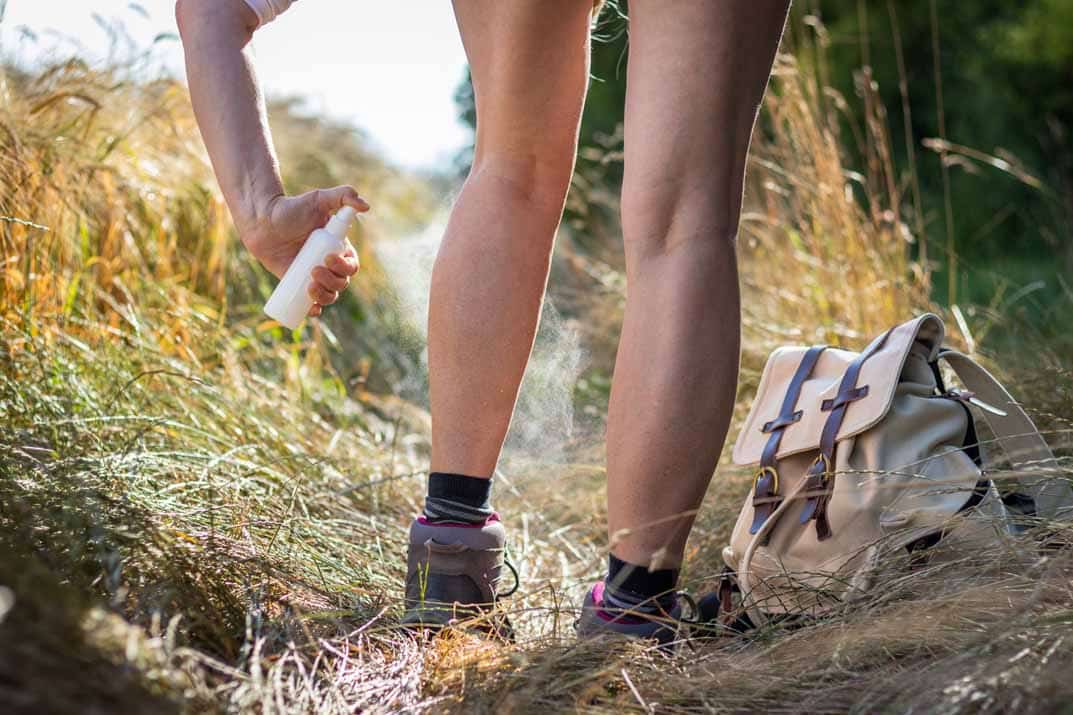
For added protection during peak mosquito times, consider topical repellents. Not all products are created equal, so look for those specifically formulated for children or sensitive skin. Here are a few options:
- DEET (10%–30%): Safe for children older than 2 months when used according to directions, but avoid applying near the eyes or mouth.
- Picaridin (20%): Known for being less oily and odorous than DEET, it’s also considered safe for kids.
- Oil of Lemon Eucalyptus (OLE): A plant-based alternative, though not recommended for children under 3 years of age.
Always read labels and follow instructions carefully. For pets, consult with your veterinarian before using any repellent or collar labeled as mosquito protection. Some essential oils that are safe for humans can be toxic to animals if ingested.
3. Create Physical Barriers
Sometimes the simplest solutions are the most effective. Physical barriers keep mosquitoes away from your kids and pets without relying on chemicals. Consider:
- Window and Door Screens: Repair or replace torn screens to prevent mosquitoes from entering your home.
- Screened-In Porches or Gazebos: If your family loves spending time outside, a screened enclosure can provide a safe zone.
- Protective Clothing: Light-colored, loose-fitting, long-sleeved shirts and pants are excellent barriers for kids playing in the yard.
Encourage your children to wear socks and closed-toe shoes during peak mosquito times (dusk and dawn). Mosquitoes often bite around ankles and lower legs.
4. Harness Natural Repellents in Landscaping
Did you know certain plants can help repel mosquitoes with their aromas? While these plants won’t eliminate mosquitoes entirely, they can discourage them from congregating. Some kid- and pet-friendly options include:
- Citronella Grass: The oil is used in many commercial repellents, but the live plant can also offer mild benefits.
- Marigolds: Safe for kids and pets to be around, marigolds contain pyrethrum, a natural insect repellent.
- Lavender: Lovely scent, easy to grow, and disliked by many pests (including mosquitoes).
- Basil and Rosemary: Edible herbs that also release fragrances mosquitoes tend to avoid.
Plant these around your patio or near windows and doors. Bonus: kids often enjoy helping in the garden, and many of these plants are non-toxic if a curious pet decides to nibble on a leaf (still, always check with your vet for specific concerns).
5. Use Traps and Fans Instead of Sprays
If chemical sprays make you uneasy, consider alternatives like carbon dioxide traps or bug traps that use UV light to lure mosquitoes. While these devices won’t single-handedly eradicate your mosquito problem, they can reduce the numbers hovering around your gathering areas.
Another low-tech solution? Fans. Mosquitoes are weak fliers, so placing a fan on your porch or near your child’s play area can discourage them from landing. It’s a safe, chemical-free way to enjoy a cool breeze and fewer mosquito bites.
6. Opt for Low-Toxicity Treatments
Sometimes, you need a bit more muscle, especially if your yard has a serious infestation. In these cases, professional treatments can be a viable option—just be sure to choose a provider who prioritizes kid- and pet-safe options. At Wake Pest, we focus on:
- Targeted Applications: Rather than spraying everything in sight, we apply products precisely where mosquitoes breed or rest.
- Eco-Friendly Larvicides: For standing water, we often use Bacillus thuringiensis israelensis (Bti), a naturally occurring bacterium deadly to mosquito larvae but generally harmless to mammals, birds, and fish.
- Timing the Treatments: We schedule treatments when kids and pets are least likely to be outside, ensuring the product dries and settles before they return.
If you have concerns about any specific chemical, don’t hesitate to ask. A reputable pest control company will be transparent about their methods and products.
7. Teach Your Kids “Mosquito Awareness”
Knowledge is power—and that goes for kids, too! Teach your children to recognize where mosquitoes might be lurking, such as shady corners with standing water. Encourage them to:
- Avoid playing near puddles or swampy areas, especially at dusk.
- Inform an adult if they see any container collecting water in the yard.
- Wear protective clothing when mosquitoes are most active.
By making them “mosquito detectives,” you empower them to take part in the family’s pest control efforts in a safe, age-appropriate way.
8. Protecting Pets from Mosquitoes
Dogs, cats, and other pets can suffer from mosquito-borne issues like heartworm disease. While pet owners often rely on preventative medications, it’s also important to reduce exposure. Here’s how:
- Use Pet-Safe Repellents: Some natural sprays are formulated for pets, but always check with your vet.
- Avoid Peak Times: Walk dogs or let cats outside during midday when mosquitoes are less active.
- Keep Pet Areas Clean: Regularly change water bowls, and check dog runs or kennels for pooled water.
Annual vet check-ups and heartworm prevention are musts in a mosquito-prone region like Raleigh. Even the most thorough yard maintenance can’t prevent every single mosquito bite, so it’s essential to have that medical safety net.
9. Involving Professionals Safely
If you decide to hire a pest control company, transparency is key. Ask about:
- Product Ingredients: Which active ingredients do they use, and are they safe around children and pets once dried?
- Application Techniques: Do they offer targeted treatments rather than blanket spraying?
- Timing: Can they schedule applications when family and pets are away?
At Wake Pest, we specialize in family-friendly solutions. We’re parents and pet owners ourselves, so we take extra care to minimize risks. We’ll walk you through each step, from the initial inspection to post-treatment guidelines, ensuring everyone stays safe and happy.
10. Regular Follow-Up and Inspection
Mosquito control isn’t a one-and-done affair. Regular maintenance is essential to prevent re-infestations, especially during the height of mosquito season. Schedule routine check-ups or set reminders to inspect your yard after heavy rains or storms.
Keep in mind that things can change quickly—new neighbors might move in and forget to clean their pool, or construction down the street might disrupt drainage patterns. Stay vigilant, and if you notice a sudden spike in mosquito activity, investigate sooner rather than later.
Summing It Up
Kid- and pet-safe mosquito control is absolutely doable. By focusing on prevention, choosing low-toxicity methods, and teaching your family to be mosquito-conscious, you can significantly reduce bites and risks. Here’s a quick rundown:
- Regularly remove standing water.
- Choose gentle repellents designed for kids and pets.
- Use physical barriers like screens and protective clothing.
- Incorporate mosquito-repelling plants.
- Consider non-chemical solutions like traps and fans.
- Opt for targeted, eco-friendly treatments if you need professional help.
If you have questions or want a thorough yard assessment, the Wake Pest team is here to help. We’re committed to helping Raleigh families enjoy their outdoor spaces without the constant worry of itchy bites. Mosquitoes might be a part of life in our region, but with these strategies, you can keep them from crashing your next family play session or backyard barbecue. Stay safe, and we’ll see you outside!