
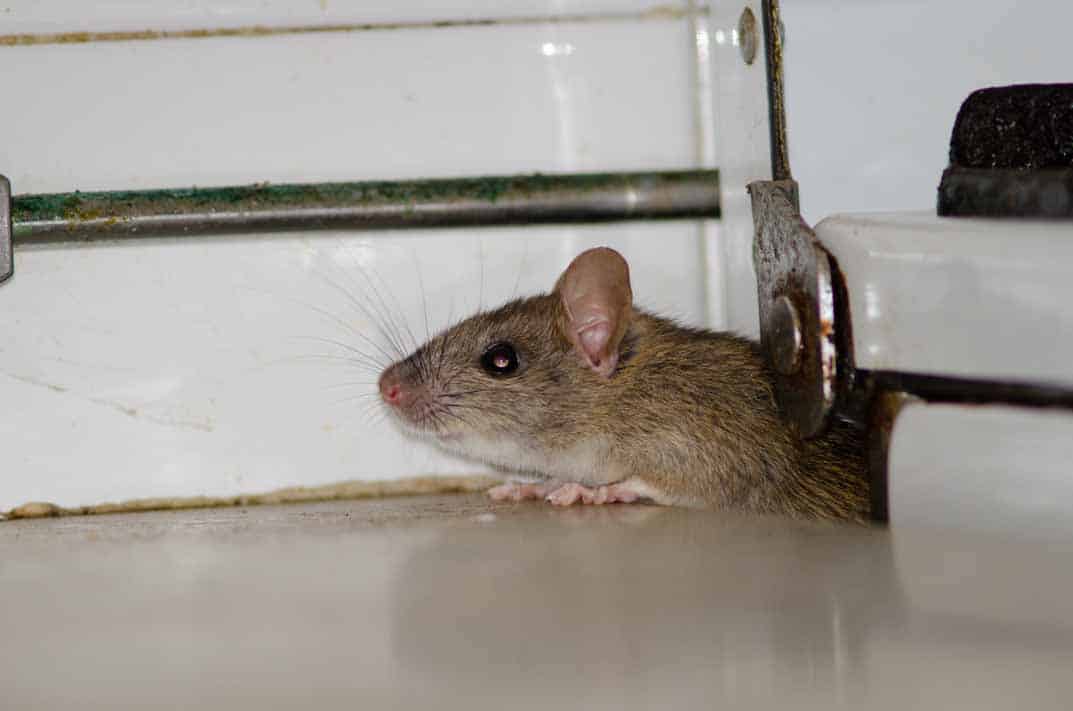
Dealing with a rodent infestation can be stressful enough, but the job isn’t over once the last mouse or rat is removed. A critical step remains: cleaning up thoroughly. Rodents leave behind droppings, urine, and nesting materials, all of which can carry germs and pose health risks if not handled properly. In this guide, we’ll walk you through the safest ways to clean up after a rodent infestation to ensure your home is truly healthy and pest-free.
1. Gather Protective Gear
Before you grab a broom and dustpan, let’s talk safety. Rodent droppings can release airborne particles that may carry Hantavirus, Salmonella, and other pathogens. To protect yourself, you’ll need:
- Gloves: Use rubber, latex, or vinyl gloves to avoid direct contact with droppings or contaminated materials.
- Mask or Respirator: A simple dust mask can help, but if you suspect heavy contamination, opt for an N95 respirator or higher protection.
- Eye Protection: Safety goggles prevent particles from coming in contact with your eyes.
- Disposable Clothing or Coveralls (Optional): If the infestation area is large or severely contaminated, protective clothing can help minimize your exposure.
2. Ventilate the Area
Before you begin cleaning, open windows and doors for at least 30 minutes to let fresh air circulate. This helps disperse any airborne particles stirred up by your movement. During this time, it’s best to leave the area and let the air clear.
3. Avoid Vacuuming or Sweeping Dry Droppings
Resist the urge to vacuum or sweep up rodent droppings right away. Doing so can kick up dust that may contain harmful pathogens. Instead, follow the steps below to safely clean the mess:
- Spray First: Use a disinfectant or a bleach solution (1 part bleach to 9 parts water) to thoroughly soak droppings, nests, or any rodent-affected areas. Allow the disinfectant to sit for at least 5 minutes.
- Wipe Up: After soaking, use disposable towels or rags to wipe up the droppings and nesting materials.
- Dispose Properly: Place the used towels and any contaminated materials in a sealed plastic bag. Double-bag it if you’re concerned about leaks.
This method drastically reduces the chances of stirring up contaminated dust.
4. Disinfect Thoroughly
After removing droppings and nesting materials, it’s time for a deeper clean. Grab your disinfectant or bleach solution again and apply it to:
- Floors and Baseboards: Mop the entire area, paying special attention to corners or hidden crevices where droppings may have accumulated.
- Countertops and Cabinets: If rodents accessed kitchen counters or pantries, disinfect these surfaces thoroughly, and don’t forget shelves and drawers.
- Other Hard Surfaces: Tables, appliances, and any nearby furniture should also be wiped down.
Let the surfaces air-dry to ensure that the disinfectant has enough time to kill any germs.
5. Soft Materials and Fabrics
What about carpets, curtains, or furniture? If these items have been exposed to rodent droppings or urine, they require special care:
- Machine-Washable Items: Wash bedding, clothing, or curtains in hot water with detergent, and then run them through the dryer on high heat.
- Carpets and Upholstery: First, carefully remove any droppings (using the spray-and-wipe method described above). Then, use a steam cleaner or shampooer with a disinfectant solution.
- Heavily Soiled Items: Items that cannot be thoroughly cleaned may need to be discarded. Seal them in plastic bags before disposing to avoid contaminating other areas.
6. Address Potential Odors
Rodent urine and droppings can leave behind unpleasant smells. Even after a thorough cleaning, you might notice lingering odors. Here are a few remedies:
- Enzyme-Based Cleaners: These break down organic matter at the molecular level, effectively neutralizing odors.
- Baking Soda: Sprinkling baking soda on carpets or furniture and letting it sit for several hours before vacuuming can help absorb odors.
- Activated Charcoal: Placing bowls of activated charcoal around the cleaned area can help pull in and trap residual smells.
7. Dispose of Contaminated Waste Safely
After cleaning up, you’ll have bags of droppings, soiled towels, and other waste. Seal these bags securely and place them in an outdoor trash bin that’s tightly covered. If you’re discarding large items (like old mattresses or furniture), be sure to follow your local waste management guidelines. In some cases, special disposal might be required.
8. Inspect Your Work
Once you’ve cleaned everything, do a quick walk-through to make sure you haven’t missed any areas. Look behind appliances, inside closets, and around the baseboards. Rodents are sneaky, and they often leave droppings in unexpected places.
9. Prevent Future Infestations
Now that you’ve put in the effort to clean thoroughly, let’s keep rodents from coming back:
- Seal Entry Points: Use caulk, steel wool, or metal flashing to close any cracks or gaps where rodents could sneak in.
- Proper Food Storage: Keep food in sealed containers, including pet food. Store dry goods in metal or thick plastic bins.
- Declutter: Remove piles of newspapers, cardboard, or other materials rodents could use for nesting.
- Maintain Yard: Trim bushes and tree branches touching your home, and keep outdoor trash in secure bins.
Taking these steps will make your home less inviting to future critters.
10. When to Call Professionals
If the infestation was severe, or if you’re concerned about your ability to clean effectively, consider reaching out to professionals. Some pest control companies offer specialized cleanup services, including disinfection and odor removal. This can be especially helpful if rodents have nested in hard-to-reach places like attics or crawl spaces.
Wrap-Up
Cleaning up after a rodent infestation isn’t the most glamorous job, but it’s essential for safeguarding your family’s health and restoring your home to a clean, comfortable state. Remember to protect yourself with the right gear, use disinfectant properly, and safely dispose of contaminated materials. A little caution goes a long way toward preventing the spread of diseases like Hantavirus or Salmonella.
If you ever feel overwhelmed or just want a helping hand, know that our team at Wake Pest is here to support you. From initial rodent removal to final cleanup, we offer comprehensive services to help Raleigh homeowners maintain safe, pest-free homes. You’ve put a lot of love into making your house a home—let’s keep it that way!