
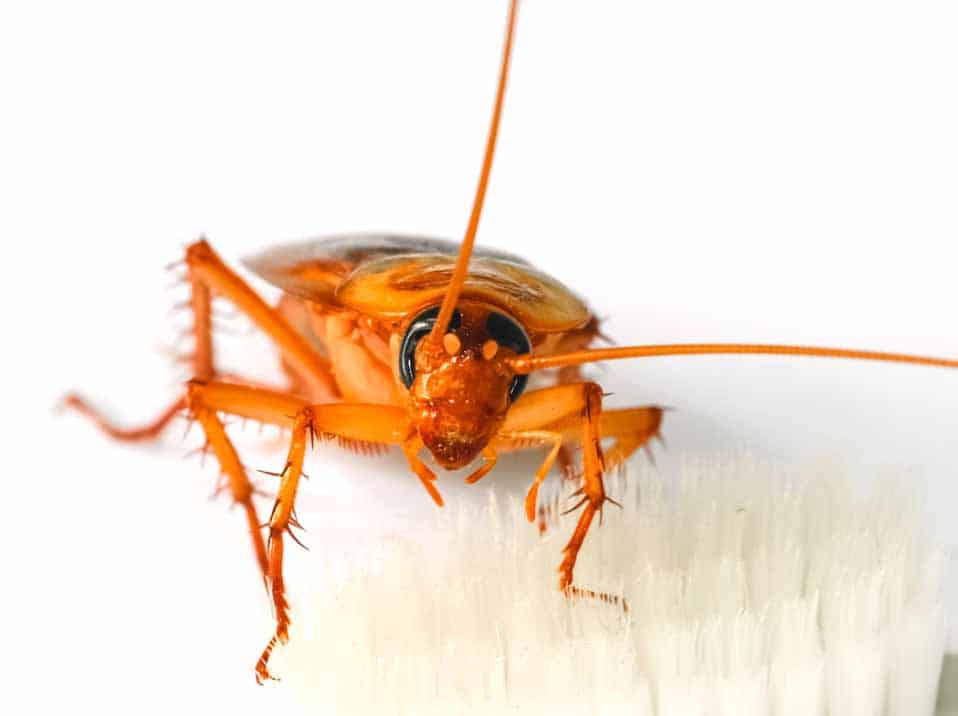
Have you ever wondered why cockroaches seem to appear more often in the summer or after a rainy spell in Raleigh? One major reason is the high humidity levels we experience here in North Carolina. At Wake Pest, we spend a lot of time explaining how moisture and humidity create the perfect breeding ground for these pesky critters. In this article, we’ll explore why cockroaches love humid environments, how Raleigh’s climate impacts infestation rates, and what you can do to reduce moisture in your home.
Why Cockroaches Love Humidity
Like many insects, cockroaches rely on moisture to survive. They don’t just drink water; they also absorb moisture from the air. Studies show that roaches need a relative humidity level of about 40% or higher to thrive. Our city’s humidity often climbs above 60%, especially in the summer, which is well within a roach’s comfort zone.
High humidity also does the following:
- Encourages Egg Hatching: Moist conditions help protect roach egg cases (oothecae), making it easier for the eggs to develop successfully.
- Increases Food Availability: Organic matter breaks down more readily in humid environments, meaning roaches might have an easier time finding decaying food scraps and other nourishment.
- Provides Hiding Spots: Damp basements, crawl spaces, and bathrooms can develop mold or grime. Roaches are attracted to these areas for shelter and feeding.
When the air is muggy, cockroaches don’t need to stray far to find water sources, which makes them bolder about exploring your home.
Raleigh’s Climate and Cockroach Population
Raleigh falls into a humid subtropical climate zone, with average summertime humidity levels frequently hovering between 60% to 80%. Over the years, we’ve noticed a direct correlation between high humidity and increased roach sightings. It’s not just anecdotal, either: nationwide statistics show that roach populations can spike as temperatures rise above 70°F, a temperature we often exceed from late spring into early fall.
In the heat of summer, you might see cockroaches scurrying around kitchens, bathrooms, or outdoor patios, especially after dusk. With so many water sources—from evening dew on grass to standing puddles after summer storms—it’s easier for roaches to stay hydrated. This abundant moisture allows them to reproduce quickly, sometimes turning a few roaches into a full-blown infestation in a matter of weeks.
Common Moisture Problem Areas
It’s one thing to know that roaches love humidity, but it’s another to figure out where the moisture is coming from in your own home. We’ve identified a few hotspots where cockroaches tend to appear:
- Bathrooms: Showers, toilets, and sinks can leak or create condensation, leaving behind moisture on surfaces.
- Kitchens: Dishwashers, refrigerators, and sinks may have hidden drips or leaks, plus consistent steam from cooking.
- Basements and Crawl Spaces: These areas are often naturally damp due to poor ventilation or water seepage from heavy rains.
- Attics: Roof leaks or condensation can create damp insulation, perfect for roaches.
Even if you don’t see water pooling, high humidity in enclosed spaces can cause dampness that roaches will exploit for survival. In fact, we’ve encountered homes where tiny cracks in pipes led to chronic dampness, attracting roaches over time.
How to Reduce Indoor Humidity
Fortunately, there are several ways to make your home less appealing to moisture-loving roaches. Here’s what we recommend at Wake Pest:
- Use Dehumidifiers: If you notice your basement or any room feels stuffy, a good dehumidifier can lower the humidity to below 50%, making it less hospitable for roaches.
- Ventilate Properly: Turn on exhaust fans in kitchens and bathrooms to vent steam outside. Open windows for fresh air when weather permits.
- Fix Leaks Promptly: A small leak under the sink can create a constantly moist environment. Regularly inspect plumbing, and repair leaks as soon as possible.
- Improve Insulation: Proper insulation reduces condensation on pipes and walls, cutting down on hidden moisture sources.
Implementing these steps can drastically reduce the likelihood of cockroach infestations. Remember, roaches are looking for moisture and food, and by eliminating one of these necessities, you make your home far less inviting.
Our Approach at Wake Pest
When we visit a home with a roach problem, one of our first steps is to assess moisture levels. We check common areas like kitchens and bathrooms, but we also look at places you might not think about, such as crawl spaces or interior walls accessible through attic access panels.
In many cases, we’ll recommend both immediate action and long-term prevention:
- Immediate Action: Using targeted treatments like baits, traps, or insect growth regulators to cut down the current roach population.
- Long-Term Prevention: Addressing leaks, sealing entry points, and ensuring the homeowner knows how to manage humidity levels.
We believe that your role in controlling moisture is just as critical as our role in applying professional treatments. When both are combined, cockroaches stand little chance of making a comeback.
Statistics on Cockroach Resilience
Cockroaches have been around for over 300 million years, and their resilience is legendary. Researchers note that roaches can live without their heads for a short period because they breathe through small holes in their body segments, and they can survive on limited food for up to a month. This means that simply relying on starvation or sporadic treatments isn’t enough—particularly when high humidity provides them an edge.
In Raleigh’s climate, we also have to consider that roaches can quickly move indoors when the weather shifts. A sudden storm or flooding can drive them to seek refuge in your home, further underscoring the importance of year-round moisture control.
Stay One Step Ahead
As we like to say at Wake Pest, “Don’t wait until you see a roach to act”. Prevention is much more cost-effective and less stressful than dealing with an established infestation. Keep an eye on humidity in your home, especially during peak summer months. If you notice any telltale signs such as a musty smell, mold growth, or constant condensation on windows, it’s time to take action.
Consider investing in a hygrometer to monitor humidity levels in different rooms. Modern digital models are inexpensive and can give you a good overview of where moisture might be building up. If you find any room regularly exceeds 50% humidity, consider adding ventilation or a dehumidifier.
Our Final Advice
Understanding how humidity affects cockroach infestations can be a game-changer for Raleigh residents. By managing moisture, you’re not only making it harder for roaches to survive—you’re also making your home more comfortable for you and your family. Simple steps like fixing leaks, running exhaust fans, and using dehumidifiers can make all the difference.
If you suspect your home may already be dealing with a cockroach problem, let us know. We at Wake Pest are ready to help you develop a plan tailored to your specific needs. From identifying moisture sources to applying effective treatments, we work with you to ensure cockroaches stay out, no matter how humid it gets. After all, we’re proud to live and work in Raleigh, and we want every household here to enjoy a pest-free environment—rain or shine.