
You notice sawdust piles on your deck, hollow-sounding wood when you tap the railing, or small holes appearing in your outdoor structures. Something is eating away at your investment, but what? In the Raleigh area, two primary culprits attack wooden decks and structures: carpenter ants and termites. Both cause serious damage, but they behave differently, leave distinct clues, and require specific treatment approaches. Understanding which pest you’re dealing with can save you thousands in repair costs and protect your home’s structural integrity.
How Can You Tell If You Have Carpenter Ants or Termites?
Identifying the correct pest determines your entire treatment strategy. While both insects damage wood, they do so for completely different reasons and leave behind unique evidence. Carpenter ants excavate wood to build their nests but don’t actually consume it. Termites, on the other hand, eat wood as their primary food source, converting cellulose into energy. This fundamental difference creates distinct patterns you can recognize.
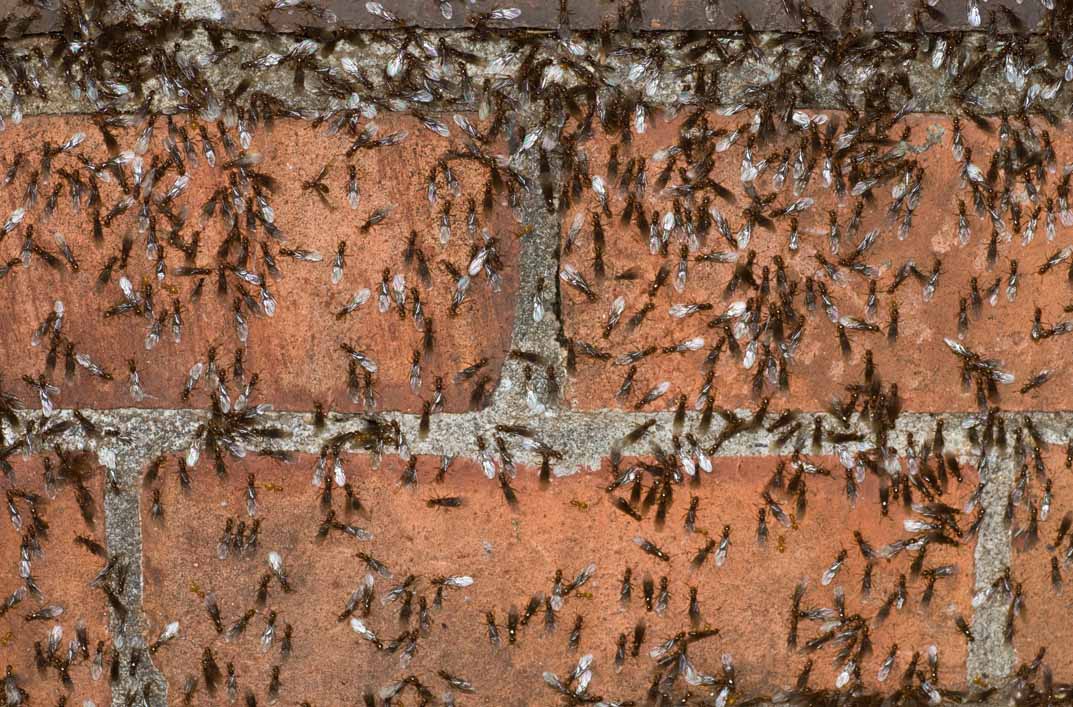
Physical appearance provides your first clue. Carpenter ants measure between 1/4 to 1/2 inch long, appearing black or dark brown with a narrow waist between their thorax and abdomen. When you spot winged carpenter ants (reproductive swarmers), you’ll notice their front wings are longer than their back wings. Termites appear smaller, typically 1/8 to 1/4 inch, with soft, pale bodies and no waist definition. Their swarmer wings are equal in length, stacking evenly over their backs.
Key Physical Differences Between Carpenter Ants and Termites:
- Body Shape: Carpenter ants have a pinched waist creating distinct body segments, while termites possess a straight, tube-like body with no waist
- Color Variation: Carpenter ants range from black to reddish-brown with a hard exoskeleton, whereas termites appear cream to light brown with soft bodies
- Antennae Structure: Carpenter ants have elbowed antennae with a distinct bend, while termites display straight, beaded antennae
- Wing Configuration: Carpenter ant swarmers show unequal wing lengths with clear veination, but termite swarmers have equal-length wings with minimal veining
The damage patterns reveal even more. Carpenter ants create smooth, clean galleries inside wood, often pushing out frass (a mixture of wood shavings and insect waste) that looks like fine sawdust. You might find these piles near kick-out holes, which are small openings the ants create to dispose of debris. Termite damage appears rougher, with mud tubes connecting soil to wood sources and galleries that follow the wood grain. Subterranean termites need moisture, so they build protective mud tunnels about the width of a pencil to travel between their underground colonies and food sources.
Carpenter Ant vs. Termite Damage Comparison:
| Damage Feature | Carpenter Ants | Termites |
|---|---|---|
| Gallery Appearance | Smooth, clean, polished look | Rough, muddy, follows grain |
| Frass/Debris | Coarse wood shavings, no mud | Mud-like pellets, soil mixture |
| Entry Points | Kick-out holes, sawdust piles | Mud tubes, sealed cracks |
| Wood Preference | Moist, softened, or decayed wood | Any cellulose source, prefers damp |
| Damage Speed | Slower, excavation only | Faster, consumption-based |
“We see homeowners in Brier Creek and North Ridge struggle with misidentification all the time. The confusion leads to wrong treatment applications and wasted money. When you find frass that looks like pencil shavings mixed with insect parts, you’re probably dealing with carpenter ants. If you see mud tubes climbing your foundation or notice your deck posts sound hollow, termites are the likely culprit. Accurate identification drives effective treatment.” – The Team at Wake Pest
What Attracts These Wood-Destroying Insects to Your Deck?
Both carpenter ants and termites seek specific conditions that make your deck an attractive target. Understanding these attractants helps you prevent infestations before they start. Moisture stands as the single biggest draw for both pests, though they respond to it differently. In the Lake Lynn area and Five Points neighborhoods, where mature trees create shade and humidity builds up, decks face particular vulnerability.
Carpenter ants prefer wood that’s already softened by moisture damage, fungal decay, or age. They don’t cause the initial deterioration but take advantage of existing weak spots. Your deck becomes vulnerable when water pools on horizontal surfaces, when gutters overflow onto deck structures, or when ground contact allows moisture wicking. A deck built too close to soil grade, shaded by overhanging trees, or surrounded by dense vegetation creates the damp environment these ants seek. They’re particularly attracted to areas where wood-to-wood connections trap moisture, such as where deck boards meet joists or where railings attach to posts.
Common Deck Features That Attract Carpenter Ants:
- Poor Drainage Systems: Standing water on deck surfaces or saturated soil beneath the structure creates sustained moisture that softens wood fibers
- Vegetation Contact: Tree branches touching deck railings or shrubs pressing against posts provide direct ant highways and maintain constant dampness
- Rotting Support Posts: Ground-contact posts without proper moisture barriers absorb water, creating ideal nesting sites
- Leaking Planters: Deck-mounted planters without proper drainage saturate surrounding boards and attract foraging ants
- Clogged Joist Spaces: Debris accumulation between joists traps moisture and creates dark, protected nesting areas
Termites take a more aggressive approach to moisture-damaged wood, but they also attack sound timber given the right conditions. Subterranean termites, the species most common in Raleigh, require contact with soil for their colony’s survival. They build their nests underground and travel to wood sources through mud tubes or by tunneling through soil. Your deck attracts them when posts contact soil directly, when landscape mulch reaches deck level, or when wood debris lies beneath the structure. Even a small gap in the wood’s protective finish can provide an entry point.
Termite Attractants Around Raleigh Decks:
| Attractant Type | Risk Level | Common Locations |
|---|---|---|
| Direct soil contact | Severe | Untreated deck posts, stairs touching ground |
| Mulch against wood | High | Landscaping beds adjacent to deck posts |
| Wood debris storage | High | Firewood, scrap lumber under deck |
| Cracked concrete contact | Moderate | Deck ledger boards on foundation walls |
| Plumbing leaks | Moderate | Outdoor faucets, drainage issues |
Temperature and season also play roles in pest attraction. Carpenter ants become most active in spring and early summer when reproductive swarmers emerge to establish new colonies. You might notice sudden ant activity during warm spring evenings, particularly after rain. Termites swarm at different times depending on species. Subterranean termites typically swarm in spring, while drywood termites (less common in Raleigh but present) may swarm in late summer or fall. Both species can damage your deck year-round, though activity slows during winter months.
Which Pest Causes Faster Damage to Deck Structures?
The speed of destruction varies significantly between carpenter ants and termites, affecting how quickly you need to respond to an infestation. Termites earn their reputation for rapid, extensive damage because they actively consume wood as food. A mature termite colony can eat through approximately one foot of a 2×4 board in about six months, though this rate depends on colony size, wood type, and environmental conditions. Large colonies containing hundreds of thousands of workers can devastate deck structures in just a few years.
Carpenter ants work more slowly because they don’t eat wood. Instead, they excavate it to create nesting galleries. A carpenter ant colony might take several years to hollow out enough wood to cause structural concerns. Yet, slow doesn’t mean harmless. Once established, a large carpenter ant colony containing thousands of workers can honeycomb deck posts, joists, and beams over time. The damage accumulates year after year, weakening structures until they fail under normal loads.
Damage Progression Timeline Comparison:
| Time Period | Carpenter Ant Activity | Termite Activity |
|---|---|---|
| First 3 months | Initial nest establishment, minimal visible damage | Gallery formation begins, small mud tubes appear |
| 6-12 months | Satellite colonies form, frass piles accumulate | Structural softening detected, galleries expand |
| 1-2 years | Noticeable hollowing in preferred areas | Significant damage to posts and lower structure |
| 3-5 years | Structural concerns in heavily infested areas | Severe damage, potential structural failure |
| 5+ years | Major repairs needed, potential collapse risk | Complete replacement often required |
Colony size directly impacts damage rate for both pests. A carpenter ant colony starts with a single queen and grows slowly, taking three to six years to reach maturity with several thousand workers. Once mature, the colony produces satellite nests, spreading damage across multiple deck areas. Multiple colonies can inhabit the same structure, multiplying the destruction rate. Termite colonies grow faster and larger. A mature subterranean termite colony can contain anywhere from 60,000 to over one million workers, all feeding continuously on available wood sources.
“We’ve inspected decks in North Ridge where carpenter ants took eight years to cause serious structural damage, and we’ve seen termite infestations destroy deck support posts in under three years. The difference comes down to how these insects interact with wood. Carpenter ants are slower but can still compromise your deck’s safety. Termites accelerate the timeline significantly, making early detection critical for both species.” – The Team at Wake Pest
Where Should You Look for Signs of Infestation?
Successful detection requires knowing where each pest prefers to attack and nest. Your inspection strategy should cover multiple zones, from ground level to railings, checking both obvious and hidden areas. Start by examining points where moisture naturally accumulates or where wood contacts other materials. These transition zones create ideal conditions for both carpenter ants and termites.
For carpenter ant detection, focus on areas with existing moisture damage or wood decay. Check deck posts at ground level, looking for soft spots, discoloration, or small holes. Tap posts and joists with a screwdriver handle, listening for hollow sounds that indicate interior excavation. Inspect the spaces between deck boards and joists, where frass often accumulates out of sight. Look under planters, around light fixtures, and near water features attached to your deck. Carpenter ants often create satellite nests in these protected areas. Walk your deck during evening hours when ants are most active, watching for trails leading to and from the structure.
Priority Inspection Zones for Carpenter Ants:
- Ground-Level Posts: Check where vertical support posts meet soil or concrete, looking for sawdust piles, soft wood, or small debris holes
- Shaded Corners: Examine areas that receive little sun and maintain higher moisture levels, particularly where railings meet posts
- Wood Joints: Inspect connection points where water can penetrate, such as where stairs attach to the main deck structure
- Fascia Boards: Look along decorative trim and boards that receive direct rain exposure for signs of ant activity
- Underneath Deck: Crawl beneath the structure to check joists and beams for frass accumulation and gallery openings
Termite detection requires a different approach. Start at your deck’s foundation, examining the connection between deck ledger boards and your house. Look for mud tubes, which appear as brown, pencil-width tunnels running from soil to wood. These tubes can climb concrete, brick, or even metal to reach food sources. Check all posts that contact soil, looking for mud-filled cracks or soft spots. Probe suspicious areas gently with a screwdriver; if the tool sinks easily into the wood, termites have likely consumed the interior. Inspect the area beneath your deck for discarded swarmer wings, which termites shed after establishing new colonies. Small piles of wings near your deck indicate recent termite activity.
Termite Detection Checklist for Deck Structures:
| Inspection Area | What to Look For | Detection Method |
|---|---|---|
| Foundation connection | Mud tubes, shelter tubes | Visual inspection, flashlight |
| Deck posts | Hollow sounds, soft spots | Tap test, probe test |
| Soil perimeter | Termite mud, damaged wood | Ground-level visual check |
| Mulch beds | Tubes extending to wood | Remove mulch for inspection |
| Underneath deck | Swarmer wings, active galleries | Crawl space inspection |
Timing your inspection increases detection success. Spring and early summer represent peak activity periods for both pests in the Raleigh area. Schedule your inspection after several days of rain, when moisture levels spike and ant activity increases. Look for swarmers during warm spring afternoons, particularly after rain events. Termite swarms often emerge on warm days following rain, typically in late morning or early afternoon. If you spot winged insects around your deck during these times, collect samples for proper identification.
What Treatment Approaches Work Best for Each Pest?
Treatment strategies differ dramatically between carpenter ants and termites because of their distinct biology and behavior. Choosing the wrong treatment wastes time and money while allowing damage to continue. Professional Ant Control services understand these differences and apply targeted solutions. For carpenter ants, treatment focuses on eliminating both parent and satellite colonies while addressing moisture issues that attracted them initially.
Carpenter ant treatment typically involves multiple steps. First, professionals locate all colony sites through careful inspection, tracking ant trails back to nests. Treatment may include targeted insecticide applications to wall voids, deck structures, and surrounding trees where parent colonies often reside. Baiting systems work well for carpenter ants because workers carry toxic bait back to colonies, spreading it throughout the nest. Treating just the visible ants rarely succeeds because the queen and most colony members remain hidden in nest sites. Successful treatment requires reaching these protected areas.
Effective Carpenter Ant Treatment Components:
- Colony Location: Professional inspection identifies all nest sites, including hidden parent colonies that may be located in nearby trees or structures
- Direct Treatment: Dust or liquid insecticides applied to wall voids, galleries, and nest sites eliminate workers and reproductives
- Baiting Programs: Slow-acting baits allow workers to feed and return to colonies, distributing toxins throughout the entire population
- Perimeter Protection: Barrier treatments around deck foundations prevent new colonies from establishing in treated areas
- Moisture Control: Addressing water issues removes the conditions that attracted ants and prevents future infestations
Termite treatment requires more intensive methods because of their hidden colonies and extensive tunnel networks. Professional Termite Control typically uses one of two primary approaches: liquid termiticides or baiting systems. Liquid treatments create a chemical barrier in the soil around your deck, killing termites that contact the treated zone. Modern termiticides also transfer between termites, spreading throughout the colony. Application involves trenching around the deck perimeter and treating the soil, then drilling through concrete or other surfaces to reach areas beneath the structure.
Termite Treatment Method Comparison:
| Treatment Type | Application Method | Time to Control | Best For |
|---|---|---|---|
| Liquid termiticide | Soil trenching, subslab injection | Immediate barrier, weeks for colony elimination | Active infestations, prevention |
| Bait stations | In-ground monitors with toxicant | 3-12 months for colony elimination | Ongoing protection, sensitive areas |
| Wood treatment | Borate application to lumber | Immediate wood protection | New construction, exposed wood |
| Fumigation | Gas treatment (drywood only) | 24-72 hours | Whole-structure drywood infestations |
“Homeowners in Brier Creek often try DIY treatments that target only the visible insects. This approach fails because both carpenter ants and termites maintain hidden colonies that continue producing workers. Professional treatment reaches these protected areas. We use non-repellent termiticides for subterranean termites because termites can’t detect them, walking through treated zones and spreading the product throughout their colonies. For carpenter ants, we combine baits with direct treatments to eliminate parent and satellite colonies simultaneously.” – The Team at Wake Pest
How Can You Prevent Future Infestations?
Prevention requires a multi-layered approach that addresses moisture, eliminates wood-to-ground contact, and maintains regular monitoring. The most effective prevention programs combine structural modifications with ongoing vigilance. In areas like Lake Lynn and Five Points, where mature landscaping and tree cover create humid microclimates, prevention becomes particularly crucial for long-term deck protection.
Moisture control stands as your primary defense against both carpenter ants and termites. Install proper drainage systems that move water away from deck structures. Grade soil so it slopes away from deck posts and support beams, preventing water accumulation at critical connection points. Keep gutters clean and extend downspouts at least five feet from deck areas. Apply water-repellent sealers to all exposed wood surfaces every two to three years, refreshing the coating on horizontal surfaces more frequently. Check deck boards and railings for trapped water after rain events, using fans or towels to speed drying in problem areas.
Moisture Management Strategies for Deck Protection:
- Surface Drainage: Slope deck boards slightly for water runoff, and avoid designs that create pools or catch basins on horizontal surfaces
- Ventilation Systems: Space deck boards with proper gaps (1/8 to 1/4 inch) to allow air circulation and rapid drying after precipitation
- Protective Coatings: Apply penetrating sealers that repel water while allowing wood to breathe, preventing moisture trapping inside boards
- Vegetation Management: Trim tree branches at least three feet from deck railings and remove shrubs that press against posts or shade deck surfaces
- Planter Protocols: Use planters with drainage holes placed on risers, allowing water to escape without saturating surrounding deck boards
Structural modifications create physical barriers against pest entry. Replace any deck posts that contact soil directly with posts set on concrete footers or metal brackets that elevate wood six inches above ground. This simple change breaks the connection termites need to reach wood from their underground colonies. Remove all wood debris from beneath your deck, including construction scraps, old lumber, and fallen branches. Store firewood at least 20 feet from your deck and elevate it on racks. Pull mulch back from deck posts, maintaining a six-inch gap between landscaping materials and wood structures. This gap prevents both termite access and the moisture retention that attracts carpenter ants.
Deck Construction and Maintenance Practices:
| Prevention Strategy | Carpenter Ant Protection | Termite Protection |
|---|---|---|
| Elevated posts (6+ inches) | Moderate benefit | High benefit |
| Pressure-treated lumber | Low benefit (prefer damaged wood) | High benefit (chemical resistance) |
| Metal flashing at joints | Moderate benefit (reduces moisture) | High benefit (physical barrier) |
| Annual inspections | High benefit (early detection) | High benefit (early detection) |
| Prompt repair of damage | High benefit (removes attraction) | Moderate benefit (limits spread) |
Regular monitoring catches problems early, when treatment is simpler and less expensive. Walk your deck monthly during warm months, looking for the warning signs discussed earlier. Schedule professional inspections annually, particularly if your property has a history of wood-destroying insect activity. Professional Rodent Control and other pest services can often include deck inspections as part of comprehensive property assessments. Document changes over time with photos, making it easier to spot gradual deterioration that might indicate hidden pest activity.
When Should You Call Professional Help?
While some homeowners successfully manage minor pest issues, carpenter ant and termite infestations typically require professional intervention for complete elimination. The decision point comes when you spot active insects, discover damage, or observe conditions that indicate hidden colonies. Waiting too long increases both treatment complexity and repair costs, potentially turning a manageable infestation into a structural emergency.
Call professionals immediately if you observe swarmers around your deck or inside your home. These winged reproductives indicate an established colony nearby, ready to expand into new areas. Similarly, contact pest control specialists when you discover damaged wood that feels hollow or soft, particularly in structural support members like posts and beams. Fresh frass piles or active mud tubes signal ongoing pest activity that requires immediate attention. Don’t wait to see how bad the problem gets; both carpenter ants and termites work continuously, expanding damage every day treatment is delayed.
Signs That Demand Professional Intervention:
- Multiple Colony Sites: Discovering evidence of pest activity in several deck areas suggests widespread infestation beyond DIY treatment capabilities
- Structural Movement: Deck posts or railings that wobble, sag, or show instability indicate serious interior damage requiring professional assessment
- Recurring Problems: Previous DIY treatments that failed to eliminate pests completely suggest hidden colonies or treatment gaps
- Unclear Identification: Uncertainty about which pest you’re dealing with makes professional diagnosis necessary for effective treatment selection
- Large Property: Extensive deck systems or properties with multiple wooden structures benefit from comprehensive professional treatment plans
Professional pest control offers advantages beyond just applying pesticides. Trained technicians identify all colony locations, including hidden nests in trees, walls, or other structures connected to your deck. They access specialized equipment like infrared cameras, moisture meters, and borescopes that reveal damage invisible to casual inspection. Professionals also guarantee their work, returning for follow-up treatments if pests persist. For termites especially, professional treatment often includes ongoing monitoring and maintenance, catching new activity before significant damage occurs.
“We consistently see homeowners in North Ridge and Lake Lynn who waited too long to call for help. By the time they contact us, simple treatments have become complex structural repairs. Early professional intervention costs less and protects your investment better. We can detect activity in its early stages using tools and techniques homeowners don’t have access to, stopping damage before it becomes extensive.” – The Team at Wake Pest
What Repair Options Exist for Damaged Deck Structures?
Once you’ve eliminated the pest infestation, addressing existing damage becomes the next priority. Repair scope depends on damage extent, affected structural members, and how long the infestation persisted before treatment. Some situations require simple board replacement, while others demand complete structural rebuilds. A professional structural assessment determines which approach your deck needs, preventing future safety issues.
Minor damage affecting only surface boards or decorative elements allows for targeted replacement. Remove damaged boards, inspect the underlying structure for hidden damage, and install new lumber treated for outdoor use. Match existing materials when possible, or consider upgrading to more resistant options like composite decking or naturally rot-resistant woods such as cedar or redwood. Paint or seal all cut ends before installation to prevent moisture penetration at vulnerable points.
Repair Categories by Damage Severity:
| Damage Level | Affected Areas | Typical Repair | Estimated Cost Impact |
|---|---|---|---|
| Minor (surface) | Deck boards, railings, trim | Board replacement, localized repairs | Low ($500-$2,000) |
| Moderate (structural) | Joists, beams, some posts | Sister joists, post replacement | Medium ($2,000-$8,000) |
| Severe (framework) | Multiple posts, ledger board, foundations | Partial or full deck rebuild | High ($8,000-$20,000+) |
| Critical (safety risk) | All support structures compromised | Complete replacement required | Severe ($15,000-$40,000+) |
Structural damage requires more extensive repairs. When posts, beams, or joists show significant hollowing or weakening, replacement becomes necessary for safety. This work often involves temporary bracing to support the deck while damaged members are removed and replaced. Consider this an opportunity to upgrade your deck’s pest resistance. Install metal post bases that elevate wood above ground contact, use lumber treated specifically for ground contact in vulnerable areas, and add flashing at critical joints to prevent moisture infiltration. Some homeowners choose to rebuild damaged sections with composite materials that resist both moisture damage and pest attraction.
Prevention during repairs maximizes your investment. Apply borate treatments to all new lumber before installation, creating a chemical barrier against both termites and carpenter ants. This treated wood remains toxic to insects for decades, providing long-term protection. Install physical termite barriers where posts meet concrete footers, using metal shields or mesh systems that force termites into the open where they can be detected. Seal all joints with high-quality outdoor caulk to prevent water infiltration and pest entry. These preventive measures cost little during the repair process but provide significant protection against future infestations.
Conclusion
Protecting your Raleigh-area deck from carpenter ants and termites requires accurate identification, prompt action, and ongoing prevention. While both pests damage wood structures, their different behaviors demand specific treatment approaches. Regular inspections catch problems early, and professional help guarantees complete elimination. The team at Wake Pest brings specialized knowledge of local pest populations and proven treatment methods that protect your deck investment.
Don’t let wood-destroying insects compromise your outdoor living space. If you’ve noticed signs of carpenter ants or termites, Contact Wake Pest for a comprehensive deck inspection and customized treatment plan. Our experienced technicians serve the Brier Creek, North Ridge, Lake Lynn, and Five Points communities with effective pest control solutions that protect your property.
Frequently Asked Questions
Can carpenter ants and termites infest the same deck simultaneously?
Yes, both species can attack the same structure, though they target different wood conditions. Carpenter ants prefer moisture-damaged areas while termites consume any available wood. Dual infestations are rare but possible, particularly in decks with varying moisture levels across different sections. Professional inspection identifies all active pest species for comprehensive treatment planning.
Do composite decks prevent carpenter ant and termite problems?
Composite decking materials resist both pests because they lack the cellulose content insects need. Yet, composite decks often use wood structural members (posts, joists, beams) that remain vulnerable. Early-generation composites occasionally attracted termites because they contained wood fibers. Modern formulations resist pest damage better, but supporting structures still require protection and monitoring.
How long do professional treatments protect decks from reinfestation?
Liquid termite treatments typically provide five to ten years of protection, depending on product and soil conditions. Carpenter ant treatments don’t leave residual barriers, so protection depends on eliminating all colonies and addressing moisture issues. Annual inspections catch new activity early, allowing prompt retreatment before significant damage occurs.
Will treating one pest problem also eliminate the other species?
No, carpenter ant and termite treatments use different products and application methods. Termiticides target subterranean colonies and create soil barriers, while carpenter ant treatments focus on above-ground nests and interior galleries. Comprehensive pest control addresses each species with appropriate methods, which may require separate treatments if both pests are present.
Can deck stains or sealers prevent pest infestations?
Water-repellent sealers reduce moisture penetration, making wood less attractive to carpenter ants and slowing termite damage progression. Sealers alone don’t prevent infestations because they don’t create toxic barriers. Borate-based wood treatments offer better pest protection, penetrating lumber to create long-lasting chemical barriers that deter both carpenter ants and termites.
Should you replace pressure-treated wood damaged by pests?
Yes, damaged structural members require replacement regardless of wood type. Pressure-treated lumber resists decay and termite attack through chemical preservatives, but these treatments have limits. Carpenter ants still nest in treated wood if moisture damage creates suitable conditions. Replace compromised members with new pressure-treated lumber and address the moisture issues that allowed damage to occur.
Do natural or organic pest control methods work for deck infestations?
Natural treatments show limited effectiveness against established carpenter ant or termite colonies. Botanical oils, diatomaceous earth, and orange oil products may kill individual insects but rarely reach hidden colonies. Severe infestations require conventional treatments proven to eliminate entire populations. Discuss natural options with pest control professionals who can assess whether your situation allows for alternative approaches.
How can you tell if deck damage is old or actively worsening?
Active damage shows fresh frass, mud tubes, or recently excavated galleries with clean edges. Old damage appears weathered, with discolored wood, debris-filled galleries, and no fresh insect activity. Tap suspected areas; sound wood produces sharp sounds while damaged wood sounds dull or hollow. Professional inspection provides definitive answers, using moisture meters and probing tests to assess damage progression.