
As a homeowner or frequent traveler in the Raleigh area, you face a growing threat that many people don’t fully understand until it’s too late. Bed bugs have become a significant concern across North Carolina, with Raleigh ranking 24th on Orkin’s 2024 list of most bed bug-infested cities. These persistent pests don’t discriminate between clean and dirty homes, luxury hotels and budget motels, or any particular demographic. The key to protecting your family and property lies in understanding how to prevent infestations and detect them early before they become a costly nightmare.
We’ve seen firsthand how devastating bed bug infestations can be for Triangle area families and businesses. The emotional toll, financial burden, and disruption to daily life can be overwhelming. However, with proper knowledge and vigilance, you can significantly reduce your risk of bringing these unwanted guests home from your travels or detecting them before they establish a foothold in your living space.
Understanding the Bed Bug Problem in Raleigh and the Triangle Area
The statistics surrounding bed bugs in our area are concerning but not surprising. North Carolina has experienced a surge in bed bug activity, with cities across the state implementing aggressive response programs to combat rising infestations. What makes this particularly relevant for Raleigh residents is our city’s combination of high population density, frequent business travel, and robust tourism industry.
Nearly one in every five Americans has encountered a bed bug problem or knows someone who has, and as much as 20 percent of American households will experience a bed bug infestation annually. These numbers aren’t meant to alarm you, but rather to emphasize the importance of preparation and education.
“The reality is that bed bugs are becoming increasingly common in our area, and we see cases regularly where families could have avoided significant problems with better prevention strategies and early detection methods,” says the Wake Pest Team.
Our location in the Southeast also works against us, as nearly 30% of all bed bug infestations in the U.S. are located in the southeast region of the country, primarily because bed bugs thrive in warm weather climates. The Triangle’s year-round moderate temperatures create ideal conditions for these pests to survive and reproduce.
The economic impact extends beyond individual households. North Carolina ranked 14th in the country for most pest-related Google searches monthly, with bed bugs accounting for 3,600 searches per month. This indicates widespread concern and active infestations throughout our state.
| North Carolina Cities | 2024 National Ranking | Change from Previous Year |
|---|---|---|
| Charlotte | 9th | +5 positions worse |
| Greensboro | 18th | +25 positions worse |
| Raleigh-Durham | 24th | -4 positions better |
At Wake Pest, we understand the unique challenges facing Triangle area residents. Our local expertise allows us to provide targeted solutions that address the specific conditions and travel patterns common to our region.
What Bed Bugs Are and How They Differ from Other Common Household Pests
Understanding what you’re looking for is the first step in effective prevention and detection. Bed bugs (Cimex lectularius) are small, brown, oval insects that feed exclusively on blood. Adult bed bugs are about the size of an apple seed, measuring approximately 1/4 inch long. When unfed, they appear flat and brown, but after feeding, they become swollen and reddish.
Many homeowners mistake bed bugs for other common pests, leading to delayed treatment and worsened infestations. Unlike fleas, which are smaller and jump, bed bugs cannot fly or jump but are excellent crawlers. Bed bug bites are typically 5-7 mm in diameter compared to flea bites at 1-3 mm, and bed bug bites often appear in lines or zigzag patterns while flea bites appear in random clusters.
The bed bug life cycle progresses through five nymphal stages, with each stage requiring a blood meal before molting to the next stage. Female bed bugs can lay up to 500 eggs in their lifetime, with development from egg to adult taking approximately 37 days under optimal conditions. This rapid reproduction explains how small infestations can quickly become major problems.
Key Differences from Other Pests:
- Mosquito Bites: Mosquito bites are usually isolated and don’t follow patterns, while bed bug bites occur in clusters or lines.
- Flea Bites: Flea bites are typically on lower body parts like ankles and feet, while bed bug bites appear on exposed skin during sleep.
- Spider Bites: Spider bites are usually single occurrences, not multiple bites in patterns.
| Pest Type | Bite Pattern | Typical Location on Body | Timing of Activity |
|---|---|---|---|
| Bed Bugs | Lines or clusters of 3-5 | Arms, legs, neck, face | Nighttime |
| Fleas | Random clusters | Ankles, feet, lower legs | Daytime |
| Mosquitoes | Isolated single bites | Any exposed skin | Dawn and dusk |
“Understanding these differences is crucial because misidentification leads to ineffective treatment approaches, allowing the real problem to worsen while homeowners waste time and money on the wrong solutions,” explains the Wake Pest Team.
The Wake Pest team can help you correctly identify the pest you’re dealing with through professional inspection services, ensuring you get the right treatment from the start.
Early Warning Signs Every Raleigh Homeowner Should Recognize
Early detection is your best defense against a full-scale bed bug infestation. The sooner you identify the problem, the easier and less expensive it becomes to address. Many homeowners miss early warning signs because they don’t know what to look for or mistake them for other issues.
The most obvious sign is often the bites themselves, but bed bug bite reactions can take hours or even days to appear, and some people don’t react to bed bug bites at all. This delayed reaction means you might have bed bugs feeding on you for days or weeks before you notice any physical symptoms.
Visual Evidence to Look For:
- Dark or rust-colored stains on sheets and pillowcases from crushed bed bugs
- Small blood spots on bedding from feeding activities
- Dark spots or stains that look like pen marks (bed bug excrement)
- Sweet, musty odor in heavily infested rooms
- Tiny brown or reddish bugs about the size of apple seeds
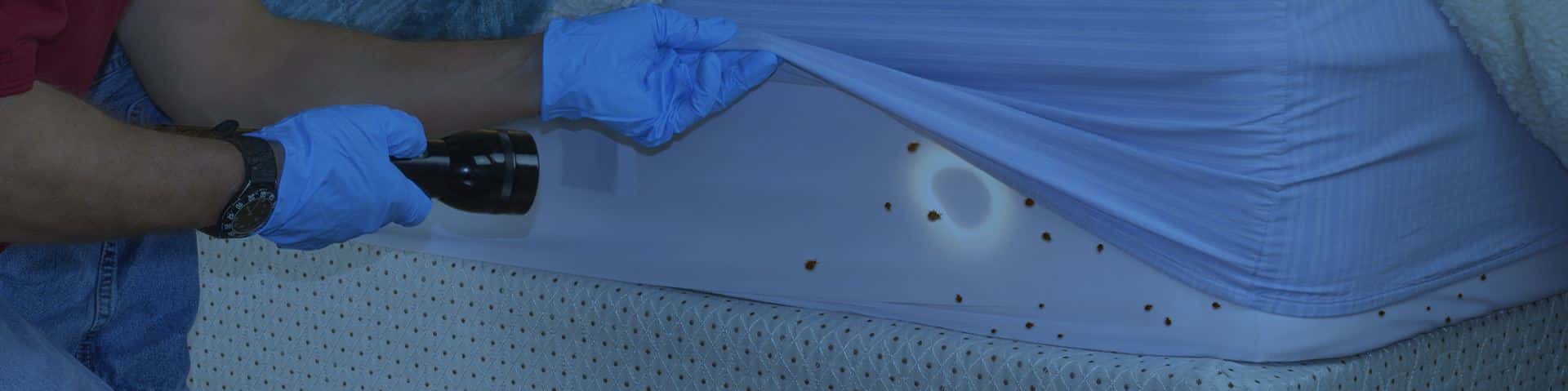
The most critical areas to inspect include mattress seams, box spring crevices, bed frames, and headboards where bed bugs typically hide during daylight hours. Bed bugs also hide in furniture joints, baseboards, electrical outlets, and behind picture frames.
Inspection Tools You Should Have:
- Flashlight for examining dark crevices
- Magnifying glass for identifying small insects and eggs
- Credit card or thin plastic tool for probing seams and cracks
- Disposable gloves for protection during inspection
Professional pest control operators emphasize the importance of systematic inspection techniques, checking not just the obvious places but also examining areas like carpet edges, curtain folds, and upholstered furniture thoroughly.
The challenge with bed bugs is their cryptic behavior. They remain hidden during daylight hours and become active between midnight and 5:00 AM when humans are in their deepest sleep. This nocturnal behavior makes detection difficult unless you know where and how to look.
“We often see cases where homeowners ignored early signs for weeks, thinking they had mosquito bites or a skin condition, only to discover they had a significant bed bug population that required extensive treatment,” notes the Wake Pest Team.
At Wake Pest, we provide comprehensive inspection services that go beyond what most homeowners can accomplish on their own, using specialized detection methods and professional-grade tools to identify infestations in their earliest stages.
Preventing Bed Bugs While Traveling: A Complete Protection Strategy
Travel represents the highest risk activity for bed bug exposure, with hotels, motels, and short-term rentals serving as common sources of infestation. Hotels and motels account for 68 percent of bed bug infestations, making them the third most common location for such incidents. However, with proper precautions, you can significantly reduce your risk of bringing bed bugs home from your travels.
Pre-Travel Preparation:
- Pack clothing in sealed plastic bags to create barriers against bed bug infiltration
- Choose hard-case luggage when possible, as it’s more difficult for bed bugs to penetrate
- Bring a small flashlight and lint roller for inspection and emergency removal
- Research accommodation reviews specifically looking for mentions of bed bugs
Upon arrival at your accommodation, conduct an immediate inspection before unpacking. Start with the bed by pulling back bedding and examining mattress seams, box springs, and headboard areas. Look for dark stains, blood spots, or live bugs along these edges.
Hotel Room Inspection Protocol:
- Remove bedspread and sheets to expose the mattress surface
- Check mattress seams and tags with your flashlight
- Examine the box spring, particularly the wooden frame areas
- Inspect upholstered furniture including chairs and sofas
- Check curtains, carpets, and wall hangings near the bed
| Inspection Area | What to Look For | Time Required |
|---|---|---|
| Mattress & Box Spring | Dark stains, blood spots, live bugs | 5-7 minutes |
| Upholstered Furniture | Stains in seams, bugs in cushions | 3-5 minutes |
| Curtains & Carpets | Dark spots, unusual odors | 2-3 minutes |
Store your luggage on hard surfaces like luggage racks or in the bathroom, away from beds and upholstered furniture. Keep clothing in your suitcase rather than placing items in dresser drawers where bed bugs might hide.
If you discover evidence of bed bugs, immediately request a different room, preferably one not adjacent to or directly above/below the infested room. Document your findings with photos and report the issue to management.
Wake Pest provides travel consultation services for frequent business travelers and families, offering personalized strategies based on your specific travel patterns and destinations.
Post-Travel Inspection and Prevention Strategies That Actually Work
Your vigilance shouldn’t end when you return home. The post-travel period represents a critical window where proper procedures can prevent an infestation from taking hold in your home. Many successful prevention strategies focus on this transition period between travel and normal home routines.
Immediate Post-Travel Protocol:
- Unpack in areas away from bedrooms, such as garages, laundry rooms, or bathrooms
- Inspect all luggage thoroughly using a flashlight to check seams, pockets, and zippers
- Place all washable clothing directly into the washing machine without sorting on bedroom surfaces
- Store luggage away from sleeping areas until it can be properly inspected and treated
Heat treatment is the most effective method for killing bed bugs at all life stages. Wash clothes in hot water and dry on high heat settings for at least 60 minutes to ensure elimination of any potential bed bugs.
Heat Treatment Guidelines:
- Washing temperature: 140°F minimum water temperature
- Drying temperature: 122°F for at least 30 minutes
- Non-washable items: Professional dry cleaning or steam treatment
- Luggage treatment: Place in sealed car on hot, sunny day or use high-heat dryer cycle
For items that cannot be laundered, consider alternative treatment methods. Sealing items in clear plastic bags in direct sunlight can achieve lethal temperatures of 122°F, though this requires monitoring with a thermometer to ensure effectiveness.
Advanced Prevention Strategies:
- Mattress encasements on all beds as a proactive measure
- Bed bug interceptors under bed legs to monitor for hitchhikers
- Regular inspection schedules every 2-3 months for high-risk households
- Professional monitoring services for frequent travelers
| Treatment Method | Temperature Required | Time Required | Effectiveness |
|---|---|---|---|
| Hot Water Washing | 140°F | 30 minutes | 100% all stages |
| High Heat Drying | 122°F | 60 minutes | 100% all stages |
| Car Heat Treatment | 140°F interior | 4-6 hours | 100% all stages |
“The most common mistake we see is homeowners who take proper precautions while traveling but then undo all their good work by bringing luggage directly into bedrooms and unpacking on beds where any hitchhiking bed bugs can immediately establish themselves,” warns the Wake Pest Team.
Wake Pest offers post-travel inspection services and can provide professional-grade monitoring tools to help you maintain bed bug-free environments even with frequent travel schedules.
Professional Treatment Options When Prevention Isn’t Enough
Despite best prevention efforts, bed bugs sometimes establish themselves in homes. When this happens, professional intervention becomes necessary. Professional bed bug treatment involves multiple approaches including thorough inspection, targeted chemical treatments, and integrated pest management strategies.
Heat treatments represent the most effective professional option, with technicians raising ambient temperatures to 135°F and maintaining those conditions for 4-5 hours. Research shows that successful bed bug elimination requires temperatures of at least 48.3°C (119°F) for adults and 54.8°C (130°F) for eggs.
Professional Treatment Methods:
- Whole-room heat treatments that eliminate all life stages simultaneously
- Targeted chemical applications using EPA-approved insecticides
- Steam treatments for sensitive areas where chemicals aren’t suitable
- Integrated pest management combining multiple approaches for maximum effectiveness
The cost of professional treatment varies significantly but typically ranges from several hundred to several thousand dollars depending on the severity and treatment method. Treatment costs for apartments average $480-500, while single-family homes may start at $2,000 and increase based on the extent of infestation.
Early professional intervention is always more cost-effective than delayed treatment. Beyond extermination costs, bed bug infestations can impact property values, require replacement of furniture and belongings, and create ongoing health and stress-related expenses.
Wake Pest specializes in comprehensive bed bug elimination using state-of-the-art heat treatment equipment and integrated pest management approaches. Our local expertise ensures we understand the specific challenges facing Triangle area properties and can provide effective, guaranteed solutions.
Conclusion
Bed bug prevention and early detection require consistent vigilance, proper knowledge, and proactive strategies. As Raleigh continues to face increasing bed bug pressure, homeowners and travelers who understand these pests and implement comprehensive prevention measures will be best positioned to protect their families and properties.
The key elements of successful bed bug prevention include thorough travel precautions, systematic post-travel protocols, regular home inspections, and immediate professional intervention when problems are detected. Remember that bed bugs are not a reflection of cleanliness or lifestyle but rather a pest management challenge that requires appropriate tools and expertise.
At Wake Pest, we’re committed to helping Triangle area residents stay ahead of bed bug problems through education, prevention services, and effective treatment solutions. Whether you need pre-travel consultation, post-travel inspection services, or comprehensive treatment for established infestations, our experienced team understands the unique challenges facing our local community. Contact Wake Pest today to develop a customized bed bug prevention strategy that fits your lifestyle and provides the protection your family deserves.