
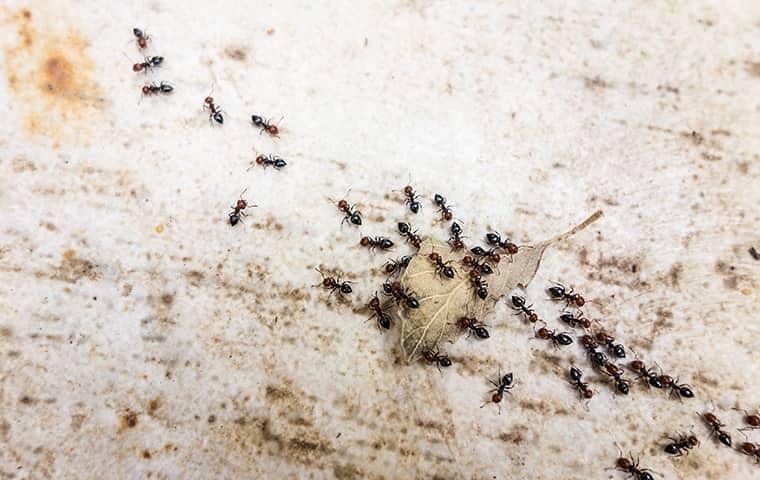
Walking through the Wake Forest Historic District, you’ll find architectural treasures dating back to the 1820s. These homes on North Main Street, with their Queen Anne porches and Colonial Revival details, tell stories of North Carolina’s past. But along with their charm, older properties in downtown Wake Forest, the Forestville area, and Oak Avenue face a common challenge: ants finding creative ways inside through gaps that have developed over decades.
Vintage homes weren’t built with the same sealing standards we see today. As wood settles, mortar crumbles, and materials shift with age, tiny pathways open up. Ants only need a space 1/16th of an inch wide to slip through. Let’s examine the seven most common access routes these insects exploit in Wake Forest’s older properties and what you can do to close these entryways.
Where Do Foundation Cracks Allow Ants Access in Historic Wake Forest Properties?
Foundation issues rank among the top concerns for homes built before 1950. In Wake Forest’s historic neighborhoods, many residences rest on brick or stone foundations that have experienced over a century of settling. The ground beneath these structures shifts with changing moisture levels, creating stress points where cracks develop.
Pavement ants and odorous house ants particularly favor foundation openings. These species build their colonies in soil directly against your home’s base, then scout upward through any available crack. Once a single ant discovers food inside your kitchen, it leaves a chemical trail for thousands of colony mates to follow.
Common foundation vulnerabilities in older Wake Forest homes include:
- Settlement cracks: Vertical or diagonal fissures that appear where the structure has shifted unevenly over time, often near corners or where additions meet original construction
- Concrete degradation: Surface spalling and crumbling that creates rough, porous areas where ants can grip and climb
- Gaps between foundation and siding: Space that develops as wooden sill plates shrink or as different building materials expand and contract at different rates
- Unsealed construction joints: Areas where foundation pours met or where builders left expansion joints that were never properly filled
The Glen Royall Mill Village area, with homes dating to the early 1900s, shows these patterns clearly. Original construction methods didn’t include vapor barriers or proper drainage systems, so moisture exposure has weakened many foundations over the decades.
Foundation Entry Point Comparison
| Foundation Type | Common in Era | Typical Ant Species | Primary Weakness |
|---|---|---|---|
| Brick with lime mortar | 1820-1900 | Pavement ants, odorous house ants | Mortar deterioration and loose bricks |
| Stone with cement pointing | 1880-1920 | Carpenter ants, little black ants | Gaps between irregular stones |
| Early concrete block | 1900-1940 | Argentine ants, pharaoh ants | Hollow cores and joint deterioration |
| Poured concrete (early) | 1920-1950 | Acrobat ants, thief ants | Shrinkage cracks and cold joints |
“We inspect foundations on older properties all the time, and what surprises homeowners is how many access points exist below grade. A crack you can barely see from outside might run six inches deep into the wall system. Ants don’t need much, and they’re patient about finding every opening.” – Wake Pest Control Team
Treating foundation issues requires more than surface-level fixes. Professional ant control addresses both the visible cracks and the hidden pathways behind siding and trim boards.
How Do Window Frames in Vintage Wake Forest Homes Create Ant Highways?
Original window installations in Wake Forest’s historic homes often featured wooden frames set directly into brick or plaster walls. These single-pane windows, beautiful as they are, develop specific problems as they age. Wood swells when humid, shrinks when dry, and eventually splits or rots where moisture collects.
Ants discover these damaged window frames quickly. The insects crawl up exterior walls, following mortar lines and texture, until they reach the horizontal ledge at the bottom of a window. There, they investigate gaps where the sill meets the wall or where wood has pulled away from its frame.
Downtown Wake Forest properties built between 1890 and 1949 often have original windows or early replacements that show their age. Paint may hide surface damage, but tap on the wood around frames and you’ll sometimes hear the hollow sound that indicates rot underneath.
Window-related entry points that attract ants:
- Deteriorating sills: The horizontal piece at the bottom of the window takes direct rain exposure and often rots first, creating soft wood that ants can tunnel through
- Failed glazing compound: The putty that holds glass in place becomes brittle and cracks away, leaving gaps at the glass edge
- Separated trim pieces: Interior and exterior casings that have shrunk or pulled away from the wall, creating a channel that leads straight into wall cavities
- Missing or damaged screens: Torn metal mesh or screens with gaps at the corners that allow direct access when windows are open
- Worn weather stripping: Rubber or felt seals that have hardened, cracked, or compressed flat over years of use
North Main Street homes, some dating back to the 1820s, present particular challenges. Many have been renovated multiple times, with windows replaced in different eras. Where newer windows meet older walls, the junction points often lack proper sealing because installers didn’t account for irregular wall surfaces.
Moisture makes window problems worse. Wake Forest’s humid summers cause condensation to form on cool glass surfaces. This water runs down to the sill, soaking into wood and creating the damp conditions that both attract ants and accelerate decay. Carpenter ants specifically seek out this moisture-damaged wood because it’s easier to excavate for their nests.
What Makes Door Thresholds Vulnerable Access Points for Ants?
Doors in historic Wake Forest properties have seen countless openings and closings over generations. This constant use, combined with exposure to weather, creates wear patterns that ants exploit. The threshold at the bottom of exterior doors takes the most abuse, bearing foot traffic while also channeling rain away from the doorway.
Older homes often have wooden thresholds that have warped or rotted. You might notice the door doesn’t close as tightly as it once did, or feel a draft coming in at floor level. That gap you feel represents a wide-open entrance for ants, who can flatten their bodies to slip through spaces that look impossibly small.
Door vulnerabilities commonly found in vintage properties:
- Warped thresholds: Wood that has twisted or cupped from moisture exposure, creating a gap that varies in size along the door’s width
- Compressed weather stripping: Door sweeps and seals that have lost their spring and no longer make contact with the threshold surface
- Door frame separation: Gaps where the door jamb has pulled away from the wall framing as the house settled or lumber dried
- Damaged door jambs: Vertical frame pieces with splits, checks, or rot that create pathways into wall cavities
- Poorly fitted storm doors: Secondary doors added years after original construction that don’t align properly with the main door frame
Homes in the Forestville area often have multiple exterior doors, including back entrances, basement access points, and doors to attached porches. Each represents a potential entry location. Ants frequently enter through a lesser-used door where the homeowner hasn’t noticed the deteriorating seal.
“People focus on their front door because that’s what they use and see every day. But we find ant trails coming through basement doors, cellar entrances, and old back porches that rarely get checked. An ant colony only needs to find one working entrance, and they’ll use it for years.” – Wake Pest Control Team
The transition between different flooring materials also creates opportunity. Where an interior wood floor meets an exterior concrete stoop, there’s usually a metal or wood threshold piece. Over time, this piece works loose, shifts, or corrodes, opening a gap at floor level that ants march right through.
Why Do Utility Penetrations Become Prime Ant Entry Routes?
When historic homes in Wake Forest were built, they had minimal utility connections. Gas lines, telephone wires, and electrical service were added over the decades, often by different contractors who each drilled new holes through the foundation or walls. These penetrations were sometimes sealed, but often just passed through with extra space around them.
Modern homes receive services bundled at a single entry point with proper sealing. Older properties might have pipes and wires entering at six or eight different locations, none sealed to current standards. Walk around a home built before 1950 and count the places where something passes through the foundation wall. Each one likely has a gap.
Utility-related entry points that allow ant access:
- Electrical service masts: The point where overhead power lines connect to your home, often through a hole larger than needed with no sealant around the conduit
- Gas line penetrations: Pipes that pass through brick or concrete with generous clearance to allow for some movement, leaving space ants can navigate
- Water supply lines: Copper or galvanized pipes entering through the foundation, often with gaps that were supposed to be sealed but never were
- Old telephone entry points: Multiple holes from different eras of phone service, some now unused but still open
- Cable and internet installations: Recent additions where installers drilled new holes rather than using existing penetrations
- Dryer vent connections: Flexible ductwork passing through walls with oversized openings and flexible seals that have degraded
- Condensate drain lines: Small pipes from air conditioning systems that exit through walls, often with minimal sealing
Properties in the downtown historic district show this pattern clearly. A home built in 1895 received electricity in the 1910s, a gas line in the 1940s, phone service at various points, and cable internet within the last 20 years. Each installation created a new penetration, and few were properly sealed afterward.
Common Utility Penetration Issues
| Utility Type | Typical Gap Size | Sealing Material Often Used | Why It Fails |
|---|---|---|---|
| Electrical conduit | 1/4 to 1/2 inch around pipe | Putty or caulk | Caulk cracks and falls out over years |
| Gas line | 1/2 to 3/4 inch clearance | None or old mortar | Never sealed or mortar has crumbled |
| Water pipes | 1/4 to 1 inch around copper | Spray foam or nothing | Foam degrades with UV exposure |
| Phone/cable lines | 1/8 to 1/4 inch | Silicone or nothing | Multiple installations, inconsistent sealing |
Ants particularly favor utility penetrations because these openings often lead directly into wall voids or under-floor spaces where they can establish nests protected from weather and predators. A gas line entering your basement creates a tunnel from outside soil, through the foundation, and into the perfect nesting habitat.
How Does Deteriorating Brick Mortar Open Pathways for Ants?
Brick homes in Wake Forest’s historic neighborhoods showcase beautiful masonry work from skilled craftsmen. But mortar, the material binding those bricks together, has a limited lifespan. Lime mortar, common in buildings constructed before 1900, begins failing after 80 to 120 years. Even Portland cement mortar, used from the early 1900s onward, eventually cracks and falls out.
When mortar deteriorates, it creates a network of narrow channels between bricks. Ants can navigate these passages easily, moving up and down walls while remaining hidden from view. They enter through gaps at ground level, climb to second-story windows, and access wall cavities at multiple heights.
Oak Avenue properties and other homes in the original college area often show significant mortar loss. You’ll see bricks that wobble when pushed, gaps where pointing has fallen away completely, and areas where previous repairs used incompatible materials that failed quickly.
Mortar deterioration patterns in older masonry:
- Weathered joints: Horizontal mortar lines that have eroded back from the brick face, creating recessed channels that collect water and provide ant access
- Spalled sections: Areas where the mortar surface has flaked off in layers, exposing the softer interior to further decay
- Missing pointing: Joints where mortar has fallen out completely, leaving gaps up to half an inch wide between bricks
- Incompatible repairs: Previous repointing done with modern Portland cement over original lime mortar, creating a hard surface that traps moisture and accelerates adjacent deterioration
- Settlement cracks: Stepped cracks that follow mortar joints where the foundation has moved, opening pathways through multiple courses of bricks
“Brick homes look solid, and structurally they are, but the mortar creates a highway system for ants. We’ve traced ant trails three stories up the side of a building, all through mortar joints that looked fine from ten feet away. Get up close with good light and you’ll see the gaps.” – Wake Pest Control Team
North Carolina’s freeze-thaw cycles worsen mortar problems. Water seeps into small cracks, freezes and expands in winter, then thaws and seeps deeper. After enough cycles, even sound mortar begins cracking. Combined with Wake Forest’s summer humidity and occasional heavy rains, this creates ongoing stress on 100-year-old mortar joints.
Ants also exploit the junction where brick meets other materials. The seam between brick walls and wooden window frames, the gap where brick piers meet wooden floor joists, and the transition from brick foundation to wooden siding all develop openings as materials age at different rates and move independently.
What Attic Vent and Roof Gaps Allow Ant Colonies Access to Upper Levels?
Attics in Wake Forest’s vintage homes often surprise homeowners with their construction. Many were finished living spaces or storage areas with different ventilation standards than modern codes require. Original builder practices included screened gable vents, sometimes without screens, and roof louvers that have deteriorated or been damaged by weather.
Ants don’t just enter homes at ground level. Carpenter ants, which nest in wood and prefer moisture-damaged timber, frequently establish colonies in attic spaces where roof leaks have created ideal conditions. These ants access upper areas by climbing exterior walls, trees touching the house, or utility wires, then squeezing through gaps in the roof assembly.
Upper-level access points common in historic properties:
- Gable vent screens: Metal or wood louvers at the peak of the roof that have rusted, rotted, or had their screening torn by wind, birds, or age
- Soffit gaps: The underside of roof overhangs where wood panels have warped away from the wall or where sections meet at corners, leaving openings
- Ridge vent failures: Plastic or metal caps running along roof peaks that have separated from the decking or developed gaps where sections connect
- Roof-to-wall flashing: Metal pieces that bridge the junction between different roof planes or where chimneys meet roofing, often with gaps that were improperly sealed during installation
- Dormer window surrounds: Trim and flashing around windows that project from the roof plane, creating multiple seams where materials meet
- Valley deterioration: Areas where two roof slopes meet, collecting water and debris that accelerates wood decay and creates access points
Homes in the downtown historic district with original or early roofing systems present particular challenges. Many have been re-roofed multiple times, with each installation adding layers rather than removing old materials. This creates irregular surfaces where flashing no longer sits flat and gaps develop at penetrations.
Trees play a role in upper-level ant access. Wake Forest’s mature neighborhoods feature established oaks, maples, and pines, some planted when the homes were new. Branches that overhang roofs or touch walls create direct highways for ants to bypass foundation-level barriers and access the structure at any height.
Attic Access Points by Home Age
| Era Built | Common Roof Type | Typical Vent Style | Frequent Ant Entry Location |
|---|---|---|---|
| 1820-1900 | Steep gable or hip | Gable louvers, natural gaps | Soffit-to-wall junction, deteriorated vents |
| 1900-1930 | Complex with dormers | Screened vents, decorative features | Dormer flashing, decorative trim gaps |
| 1930-1950 | Simple gable or hip | Metal gable vents | Rusted vents, failed caulking |
Moisture damage in attics creates attraction for specific ant species. Carpenter ants can establish large colonies in roof timbers that have been wetted by leaks. The insects don’t eat the wood like termites do, but excavate galleries to house their population, which can number in the thousands. Left untreated, these colonies can compromise structural members while simultaneously sending foraging ants into living spaces below through ceiling fixtures and wall penetrations.
Why Are Crawl Spaces and Basement Access Points Major Ant Entryways?
Below-grade spaces in Wake Forest’s older homes were built differently than modern construction. Many crawl spaces have dirt floors, minimal ventilation, and access doors that fit poorly. Basements in homes from the early 1900s might have stone walls laid without mortar, brick floors, or foundation walls that were never waterproofed.
These spaces remain damp year-round, which attracts ants searching for water sources. The moisture also softens wood floor joists and sill plates, making them targets for carpenter ants. Foundation walls develop effloresence (white mineral deposits) showing where water seeps through, and these same pathways allow ants to enter.
Vintage Wake Forest properties in areas like the Glen Royall Mill Village often have elevated foundations with accessible crawl spaces. Original construction included screened vents that have since rusted through or been damaged. Access doors, when they close at all, typically have gaps around all four edges.
Below-grade entry points in historic homes:
- Foundation vents: Metal or wood-framed openings designed to provide airflow but often missing screens or with screens rusted into fragments
- Crawl space doors: Wood or metal access panels that have warped, rotted, or been damaged over decades of use, rarely sealing completely when closed
- Sill plate gaps: The junction between the top of the foundation wall and the wooden plate that supports floor framing, often with shrinkage gaps or missing sill seal
- Floor joist pockets: Openings in masonry walls where wood beams rest, sized generously to allow for installation but creating spaces around the beam ends
- Basement window wells: Below-grade windows surrounded by metal or masonry wells that collect leaves and debris, holding moisture against wood frames
- Plumbing penetrations: Drain lines and supply pipes entering through foundation walls with oversized holes from original installation
- Perimeter drainage gaps: Openings where old drainage systems connect to foundation walls, often with damaged or missing covers
Forestville area homes show these patterns clearly. Many sit on sloping lots with partial basements that transition to crawl spaces. The level changes create additional seams and junctions where different foundation systems meet, and ants exploit every gap in these transition zones.
“Crawl spaces are like ant superhighways leading directly into your home’s floor system. We regularly find colonies established on foundation walls, under vapor barriers when they exist, and in the soil itself. The ants have easy access to wall cavities, and homeowners often don’t realize they have a problem until they see trails in their kitchen.” – Wake Pest Control Team
Standing water makes basement and crawl space problems worse. Original construction didn’t include modern drainage systems, so after heavy rains, these spaces can flood. Even minor dampness creates the humid conditions that certain ant species prefer. Pharaoh ants and Argentine ants both thrive in moist environments and readily establish nests in below-grade spaces.
The combination of easy exterior access, abundant moisture, protected nesting sites, and direct pathways up into wall cavities makes crawl spaces and basements prime locations for ant colonies. Once established there, ants can access any room in the house through wall voids and floor penetrations without ever being visible to occupants until they emerge to forage for food.
How Can Wake Forest Homeowners Prevent Ants from Using These Entry Points?
Protecting an older home from ant invasion requires a different approach than newer construction. You’re working with materials and methods from another era, and solutions need to respect the historic character while providing modern protection. Sealing every potential gap isn’t realistic or advisable for buildings that need to breathe, but you can significantly reduce ant access through targeted improvements.
Foundation and exterior wall protection strategies:
- Inspect foundations annually: Walk your property’s perimeter in good light, looking for new cracks, mortar loss, or gaps between different materials. Spring and fall work well for these inspections.
- Repoint deteriorated mortar: Hire masons experienced with historic buildings who will use appropriate lime-based mortars that match the strength and porosity of original work. Avoid using harder modern mortars that can damage softer old bricks.
- Seal foundation cracks properly: Use flexible polyurethane or epoxy sealants for active cracks that might continue to move. For stable cracks, hydraulic cement provides a solid fill that won’t shrink as it cures.
- Create grading that slopes away: Redirect surface water so it flows away from your foundation rather than pooling against walls. Six inches of fall over the first ten feet from the foundation helps significantly.
- Install French drains where needed: For properties with chronic moisture problems, perimeter drainage systems remove water before it can seep through foundations and create the damp conditions ants seek.
Window and door improvements for older homes:
- Replace rotted wood components: Don’t just patch over decay. Cut out damaged sections and splice in new wood treated to resist moisture and insects. Prime and paint promptly to seal the repair.
- Upgrade weather stripping: Modern materials work better than old felt or foam. Use silicone or EPDM rubber seals that compress when the door or window closes but spring back to maintain contact.
- Install door sweeps properly: The sweep should brush the threshold across its full width when the door is closed. Adjustable sweeps work well for doors that don’t hang perfectly level.
- Caulk gaps in window frames: Use paintable acrylic latex caulk for small gaps between trim and walls. For larger spaces, fill with foam backer rod first, then caulk over it.
- Repair or replace damaged screens: Fine mesh screens prevent ants from entering through open windows. Aluminum screening lasts longer than fiberglass and resists tearing.
Utility penetration sealing methods:
- Map all penetrations: Create a list of where pipes and wires enter your home. Include service entrances, exhaust vents, and old unused penetrations that were never sealed when equipment was removed.
- Use copper mesh for larger gaps: Stuff copper or stainless steel wool around pipes before caulking. Ants can’t chew through it, and it won’t rust like regular steel wool.
- Apply appropriate sealants: Use silicone around pipes that might expand or contract with temperature changes. Polyurethane foam works for stable penetrations, but protect it from UV exposure.
- Seal old penetrations completely: If a service has been disconnected and the hole is no longer needed, fill it entirely rather than leaving it open with a cap.
Attic and roof protection approaches:
- Install quality vent screens: Replace missing or damaged vent screens with 1/8-inch galvanized hardware cloth that blocks ants but allows airflow. Secure the screening from inside so animals can’t tear it loose.
- Trim tree branches back: Maintain at least 6 to 8 feet of clearance between branches and your roof or walls. This prevents ants from using trees as bridges to access upper levels.
- Repair roof flashing properly: Work with roofers who understand historic construction. Proper flashing installation prevents water entry that creates the conditions ants seek.
- Address moisture problems immediately: Fix roof leaks quickly before they cause wood decay. Install or improve attic ventilation to reduce humidity buildup.
Crawl space and basement improvements:
- Install vapor barriers correctly: Use 6-mil or thicker polyethylene sheeting over dirt floors, overlapping seams by 12 inches and sealing with tape. Extend the barrier up foundation walls 6 to 8 inches.
- Improve ventilation where appropriate: Add screened foundation vents if airflow is inadequate, or consider encapsulation with dehumidification for chronically damp spaces.
- Replace deteriorated access doors: Build new crawl space doors from pressure-treated lumber or composite materials that won’t rot. Add weather stripping and ensure a tight fit.
- Remove wood-to-ground contact: Any wooden components touching soil provide direct access for ants and termites. Use concrete blocks or metal brackets to support structural members above ground level.
Professional ant control services provide treatments that complement these physical improvements. Flea control and treatments for other pests often work together, as many entry points that allow ants also admit other insects.
For comprehensive property protection, consider commercial pest control approaches if you own rental units in Wake Forest’s historic districts. These programs provide scheduled inspections and treatments that catch problems before they become severe.
Related Topics and Common Questions
What ant species most commonly invade older Wake Forest homes?
Pavement ants, odorous house ants, and carpenter ants rank as the three most frequent invaders. Pavement ants build colonies in foundation cracks and enter seeking food and moisture. Odorous house ants nest outdoors but send foraging trails inside. Carpenter ants establish colonies in moisture-damaged wood, particularly in older properties where roof leaks or poor drainage have created ideal nesting conditions.
Can ants damage the structure of my historic home?
Carpenter ants can compromise wooden structural members by excavating galleries for their nests. Unlike termites, they don’t eat wood for food, but they remove enough material to weaken beams, joists, and sills. Most other ant species don’t cause structural damage but create nuisance problems and can contaminate food supplies. Regular inspections help catch carpenter ant activity before it becomes severe.
How do I know if cracks are just cosmetic or serious entry points?
Any crack that penetrates completely through your foundation wall provides ant access, regardless of width. Surface cracks that don’t go all the way through matter less for pest control but may indicate structural issues. Test cracks by inserting a thin wire or paper. If it passes through to the other side, ants can follow. Even hairline cracks can widen over time through freeze-thaw cycles.
Should I attempt sealing work myself or hire professionals?
Simple caulking around windows and weather stripping installation work well as DIY projects. Foundation repairs, mortar repointing on historic buildings, and major structural sealing benefit from professional expertise. Improper materials or techniques can damage vintage buildings or fail to solve the problem. For pest control specifically, professionals access products and application methods not available to homeowners while understanding how ants behave in older construction.
Will sealing my home completely stop future ant invasions?
Complete sealing is impossible in older homes and isn’t desirable, as historic buildings need some air exchange to prevent moisture problems. Targeted sealing of major entry points combined with professional ant treatments provides reliable long-term control. Focus on foundation-level gaps, utility penetrations, and damaged wood components. Regular monitoring helps you catch new problems early before ant colonies become established.
How often should I inspect my vintage home for ant entry points?
Conduct thorough inspections twice yearly, in spring before ant activity peaks and again in fall before winter. Check foundations after heavy rains or flooding. Monitor attics and crawl spaces quarterly if you’ve had previous ant problems or moisture issues. Document what you find with photos and notes so you can track changes over time and address deterioration before it becomes severe.
Are older homes more susceptible to ant problems than new construction?
Vintage properties face different challenges than modern buildings. They have more entry points from settling, material deterioration, and construction methods that didn’t emphasize sealing. But they’re not automatically worse if properly maintained. Many newer homes develop ant problems through poor installation or lack of maintenance. The key is understanding your specific property’s vulnerabilities and addressing them systematically.
Protecting Your Wake Forest Home from Unwanted Ant Invasions
Older homes in Wake Forest’s historic neighborhoods carry stories in their architecture and craftsmanship. But those same features that give these properties character also create opportunities for ants to enter. Foundation settling opens cracks, wood deteriorates from moisture exposure, mortar crumbles between bricks, and utility penetrations made over different eras leave gaps that were never properly sealed.
The seven entry points covered above represent the most common access routes, but every property is different. Your home might have unique vulnerabilities based on its age, construction methods, previous renovations, and maintenance history. Professional inspection reveals what’s really happening at the foundation level, inside wall cavities, and in other spaces you can’t easily access yourself.
Our technicians at Wake Pest understand how older buildings work. We know where to look for entry points specific to different eras of construction, and we use treatment methods that protect your home without damaging historic materials. If you’re seeing ant trails in your downtown property, Forestville area home, or vintage house anywhere in Wake Forest, we can help identify how they’re getting in and develop a control strategy that works with your building’s age and style.
Don’t let ant invasions detract from enjoying your piece of Wake Forest history. Contact Wake Pest today for a thorough inspection and customized treatment plan. Our team will work with you to protect your property while respecting its character and your goals for maintaining this important part of North Carolina’s architectural heritage.