
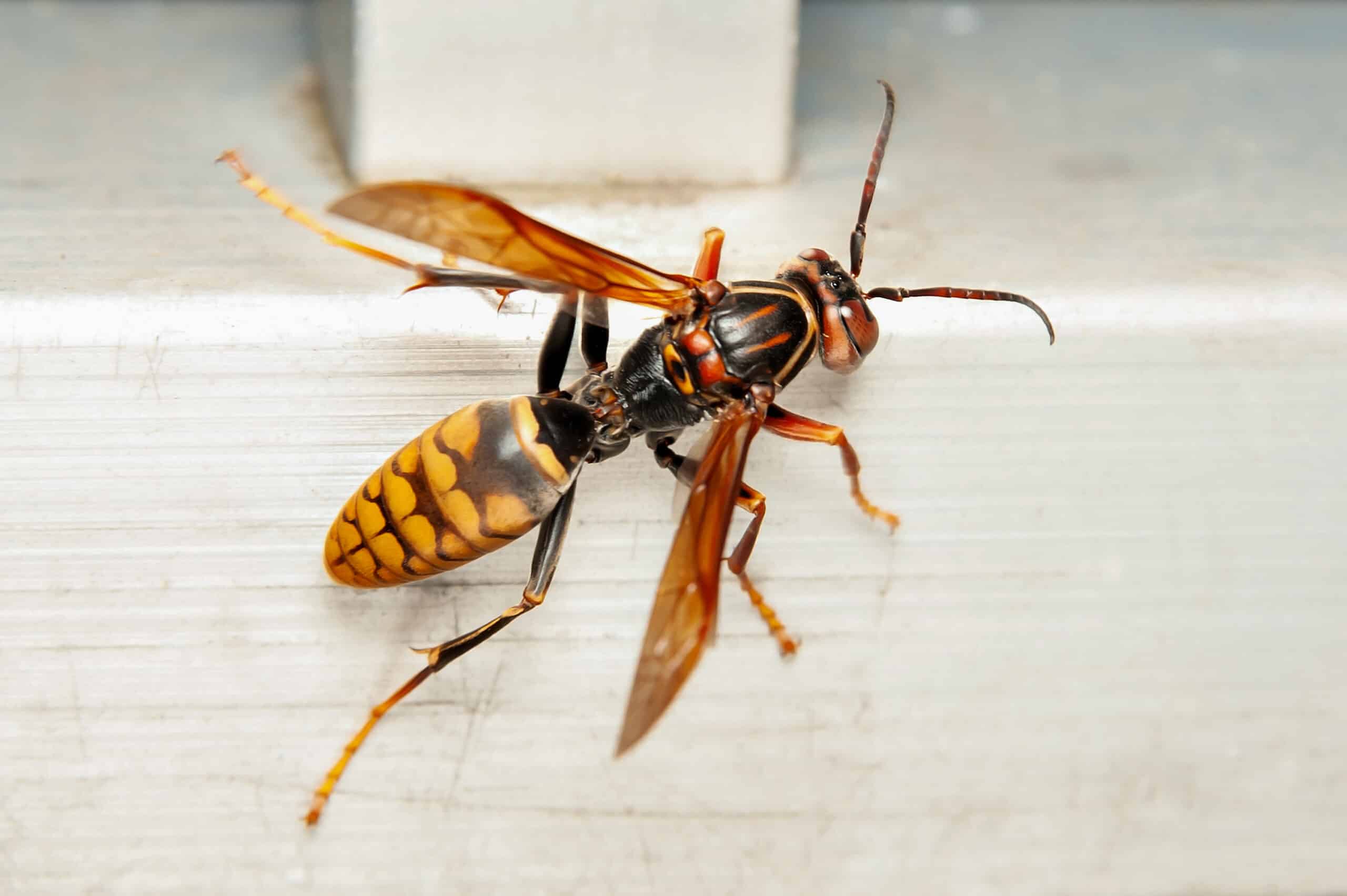
Summer in the Triangle area brings warm weather, outdoor gatherings, and unfortunately, an increased presence of stinging insects. Wasps, hornets, and yellow jackets become more active as temperatures rise, building nests near homes and businesses throughout Raleigh, Durham, and Chapel Hill. These aggressive insects pose significant risks to families and pets, with approximately 220,000 emergency department visits and an average of 62 deaths in the United States annually from Hymenoptera stings.
Understanding these stinging insects is essential for protecting your property and loved ones. Unlike bed bugs or mosquitoes that we’ve discussed before, wasps and their relatives are social insects that defend their colonies aggressively when threatened. The key to managing these pests lies in early identification, proper prevention strategies, and knowing when professional intervention becomes necessary.
Understanding Wasps, Hornets, and Yellow Jackets in the Triangle Area
While many people use these terms interchangeably, wasps, hornets, and yellow jackets are distinct species with different behaviors and nesting habits. All three belong to the Hymenoptera order and share the ability to sting multiple times (unlike honeybees), but understanding their differences helps you respond appropriately to each species.
Hornets are noticeably larger than yellowjackets and are typically distinguished by their black and white or brownish coloration. They prefer to build large, enclosed paper nests in elevated, sheltered areas such as tree branches, dense shrubs, attic spaces, and beneath the eaves of homes and buildings. Hornets are generally less aggressive than yellowjackets when left undisturbed, but they become highly defensive if their nest is threatened.
Yellow jackets present the most significant challenge for Triangle area homeowners. These pests are relatively small, with bold black and yellow stripes and sleek, wasp-like bodies. The eastern yellowjacket (Vespula maculifrons) is the most abundant yellowjacket in North Carolina, with colonies not parasitized reaching populations of about 3,000 workers. What makes them particularly problematic is their ground-nesting behavior and extreme aggression when disturbed.
“We see a significant increase in wasp, hornet, and yellow jacket calls throughout the summer months in the Triangle area, and many homeowners don’t realize how dangerous these insects can become when their nests are established near high-traffic areas like doorways, playgrounds, or outdoor dining spaces,” explains the Wake Pest Team.
Paper wasps represent another common species in our area. Unlike their ground-dwelling yellow jacket cousins, paper wasps build open, umbrella-shaped nests typically found under eaves, in attics, or attached to tree branches. According to the Schmidt Pain Index, yellow jackets score a 2 for sting pain, bald-faced hornets also score 2, while red paper wasps rate 1.5.
| Species | Size | Coloration | Nest Location | Aggression Level |
|---|---|---|---|---|
| Yellow Jackets | Small (0.5 inch) | Black and yellow stripes | Underground or wall voids | Very High |
| Bald-Faced Hornets | Large (0.75 inch) | Black with white markings | Aerial, tree branches | High when disturbed |
| Paper Wasps | Medium (0.75 inch) | Brown with yellow markings | Open nests under eaves | Moderate |
At Wake Pest, we understand the unique challenges each species presents and tailor our approach accordingly to ensure safe, effective removal without endangering your family or pets.
Identifying Different Types of Stinging Insect Nests
Proper nest identification is crucial for determining the appropriate control strategy and assessing the danger level. Each species constructs distinctive nests using different materials and locations, and recognizing these differences can help you understand what you’re dealing with before taking action.
Hornet nests are composed of hexagonal cells similar to honeybees, but surrounded by an outer shell of gray paper-like material with an opening at the bottom for wasps to enter and leave. Bald-faced hornet nests sport a grey hue, with some reaching up to 14 inches in diameter and over 24 inches long, resembling a papery football or upside-down teardrop. These impressive structures can house hundreds to thousands of hornets and should never be approached without professional assistance.
Paper wasp nests present a completely different appearance. Paper wasp nests have entrances structured in an open architecture style, with hexagonal cells on display rather than hidden behind an outer shell. These umbrella-shaped nests typically measure 6 to 8 inches in diameter and hang from a single stalk. The open cell structure makes them easier to identify but no less dangerous when the colony is active.
Yellow Jacket Nest Characteristics:
- Location: Underground burrows, abandoned rodent holes, or wall voids in structures
- Entrance: Small opening at ground level, often no larger than a nickel
- Structure: Multiple layers of paper-like material inside cavity
- Size: Can contain thousands of workers by late summer
Yellowjacket nests are subterranean and usually occur under a landscape timber or some other inconspicuous place, with yellowjackets lining the opening, tunnel, and cavity with a gray carton. The nest proper resembles layers of paper wasp nests stacked three or four deep, all surrounded by carton several layers thick. These hidden nests make yellow jackets particularly dangerous, as people often stumble upon them accidentally during yard work or outdoor activities.
Signs of Active Nest Activity:
- Increased insect traffic in and out of a specific location during daylight hours
- Buzzing sounds emanating from walls, eaves, or ground areas
- Visible nest structures attached to buildings or trees
- Aggressive behavior when approaching certain areas of your property
| Nest Type | Material | Typical Location | Visibility |
|---|---|---|---|
| Yellow Jacket | Paper-like gray carton | Underground, wall voids | Hidden, only entrance visible |
| Bald-Faced Hornet | Gray papery shell | Tree branches, high eaves | Very visible, football-shaped |
| Paper Wasp | Open paper cells | Under eaves, overhangs | Visible, umbrella-shaped |
“One of the most common mistakes we see is homeowners attempting to remove nests they’ve misidentified, which puts them at serious risk of multiple stings and potentially life-threatening allergic reactions,” cautions the Wake Pest Team.
The Wake Pest team provides professional nest identification services, using our expertise to determine species, assess colony size, and recommend the safest removal approach for your specific situation.
Recognizing the Health Risks and Allergic Reactions from Stinging Insects
Understanding the potential health consequences of wasp, hornet, and yellow jacket stings is essential for protecting yourself and your family. While most stings result in temporary pain and discomfort, these insects pose serious risks that extend beyond minor irritation, particularly for individuals with allergies or those who sustain multiple stings.
During 2018 through 2023, contact with hornets, wasps, and bees resulted in 391 deaths across the United States, with a total of 788 deaths from hornet, wasp, and bee stings occurring during 2011 through 2021 (an average of 72 deaths per year). These statistics underscore the serious nature of stinging insect encounters, particularly when nests are located near homes and high-traffic areas.
The mechanics of wasp and hornet stings differ significantly from bee stings, making them more dangerous in many situations. Wasps’ stingers stay intact and can be used many times in a row on a single victim, with each sting injecting 2 to 15 micrograms of venom. Unlike bees that die after a single sting, wasps can attack repeatedly, increasing venom exposure and pain intensity. Wasp venom has a pH very close to neutral (6.8 to 6.9) and contains components like acetylcholine and wasp kinin that trigger intense pain and inflammatory responses.
Symptoms of Normal Sting Reactions:
- Sharp, burning pain at the sting site lasting several hours
- Red, raised welt typically 1 to 2 inches in diameter
- Localized swelling that subsides within 24 to 48 hours
- Itching and irritation around the affected area
Large local reactions to wasp stings include extreme discoloration and swelling that increases for 2 or 3 days after the sting, with nausea and vomiting also possible. These reactions typically subside on their own over the course of a week but require monitoring to ensure they don’t progress to more serious complications.
The most dangerous reaction is anaphylaxis, a life-threatening allergic response that requires immediate medical attention. Symptoms of anaphylaxis include severe swelling of the face, lips, or throat, hives or itching in areas not affected by the sting, breathing difficulties such as wheezing or gasping, dizziness, sudden drop in blood pressure, lightheadedness, loss of consciousness, diarrhea, stomach cramps, and weak or racing pulse. Anaphylactic reactions occur within the first 10 minutes after being stung, and once this time period passes without symptoms, the risk of anaphylaxis significantly decreases.
| Reaction Type | Symptoms | Onset Time | Treatment Required |
|---|---|---|---|
| Normal | Pain, redness, minor swelling | Immediate | Home care, ice, pain relief |
| Large Local | Extensive swelling, nausea | 2-3 days | Antihistamines, monitoring |
| Anaphylaxis | Breathing difficulty, shock | Within 10 minutes | Emergency 911, EpiPen |
At Wake Pest, we prioritize safety during all stinging insect removal procedures, understanding that disturbing nests puts both our technicians and your family at risk without proper protective equipment and expertise.
When Wasp Activity Peaks in North Carolina and What to Expect
Understanding the seasonal patterns of wasp, hornet, and yellow jacket activity helps Triangle area residents prepare for peak danger periods and take preventive action before colonies reach their maximum size and aggression levels. The life cycle of these social insects follows predictable patterns tied closely to our regional climate and temperature fluctuations.
Depending on the species, wasps typically become more active in late spring and early summer as they begin building nests and foraging for food. Spring marks the emergence of overwintered queen wasps who begin establishing new colonies. During this critical period, queens work alone to construct initial nest structures and raise the first generation of worker wasps who will eventually take over nest expansion and food gathering duties.
Summer represents the most dangerous period for stinging insect encounters. By summer, the colony has established itself with the queen having laid hundreds or thousands of eggs that mature into worker wasps, and these workers take on roles such as foraging, nest expansion, and defense, increasing overall wasp activity. July marks a dramatic increase in wasp activity with larvae demanding a steady diet of insects and meat, causing worker wasps to venture farther and become more aggressive in their search for food.
“Many homeowners don’t realize that wasp colonies grow exponentially throughout the summer, with nests that started with just a few insects in April potentially housing thousands of aggressive workers by August, making early detection and removal absolutely critical for preventing serious problems,” emphasizes the Wake Pest Team.
Seasonal Activity Timeline:
- Early Spring (March-April): Queens emerge and begin nest construction
- Late Spring (May-June): First worker generation matures, colonies expand
- Summer (July-August): Peak population and aggression, maximum danger period
- Fall (September-October): Colonies produce new queens, workers become desperate for food
- Winter (November-February): Workers die off, only new queens survive
Wasps are most active in the summer, with nests usually reaching peak populations late in the summer, and you will probably continue to see plenty of wasps well into fall. Wasp activity begins to wind down when temperatures dip to 50 degrees Fahrenheit, at which point workers start dying off and the queen slows down her egg production. However, fall doesn’t mean you’re safe. The wasps you encounter during autumn are hungry and searching for high-sugar foods, making them more aggressive and willing to defend food sources.
| Month | Activity Level | Colony Size | Primary Behavior |
|---|---|---|---|
| April-May | Low to Moderate | 10-50 workers | Nest building, establishing territory |
| June-July | High | 100-500 workers | Rapid expansion, increased foraging |
| August-September | Very High | 500-3,000+ workers | Peak aggression, defensive behavior |
| October-November | Moderate to Low | Declining | Desperate foraging, colony decline |
Wake Pest recommends scheduling preventive inspections in early spring before colonies become established, allowing us to identify and remove small nests before they develop into major problems requiring more extensive and expensive treatment.
Safe Nest Removal Techniques and When to Call Professionals
While some homeowners consider DIY wasp nest removal, understanding the serious risks and proper techniques is essential before attempting any removal. The decision between professional service and self-removal should be based on nest size, location, species identification, and your personal risk tolerance, particularly regarding allergic reactions.
DIY removal includes using repellents, traps, and carefully removing the nest with protective clothing, working at night when wasps are less active. Determining whether it’s safe to remove a wasp nest on your own involves assessing the nest size, with smaller nests typically found in early spring usually manageable, while large nests with high wasp activity generally call for professional help. However, even small nests pose risks if you’re allergic to stings or lack proper protective equipment.
Essential Safety Equipment for DIY Removal:
- Full protective clothing including thick long sleeves, pants, gloves, and closed-toe shoes
- Beekeeping veil or hooded jacket to protect the head and face from stings
- Eye protection such as goggles to prevent spray blowback
- Escape route planned before approaching the nest
Working at night is crucial for nest removal, conducting the removal during the night when wasps are less active and returning to the nest, and using a red light source instead of bright white light since wasps are less sensitive to red light. This timing ensures maximum number of wasps are inside the nest and their reduced activity levels minimize the risk of aggressive defensive behavior.
Professional removal becomes necessary in several scenarios. If you have an extremely large nest (in size or quantity) or if the wasps are deeply embedded into a structure, you may be better off calling professionals who have the proper equipment and protective gear to remove nests safely. Ground-dwelling yellow jacket nests present particular challenges, as disturbing the entrance often triggers mass defensive attacks from hundreds or thousands of workers simultaneously.
“We regularly see homeowners who attempted DIY removal and suffered multiple stings, allergic reactions, or incomplete nest elimination that resulted in aggressive wasp behavior for weeks afterward, ultimately requiring professional intervention at greater cost than if they had called us initially,” notes the Wake Pest Team.
| Situation | DIY Appropriate? | Professional Recommended? | Reason |
|---|---|---|---|
| Small nest (< 4 inches) | Possibly | Safer option | Low worker count, manageable risk |
| Large established nest | No | Yes | High worker count, extreme danger |
| Ground yellow jacket nest | No | Yes | Hidden colony size, mass attack risk |
| Nest in wall void | No | Yes | Structural access needed, unknown size |
| Known sting allergy | Never | Always | Life-threatening anaphylaxis risk |
Wake Pest uses professional-grade protective equipment, specialized treatments, and proven removal techniques that eliminate entire colonies while minimizing risk to your family, pets, and property, with guaranteed results that DIY methods simply cannot match.
Preventing Return Infestations After Nest Removal
Successful wasp control extends beyond initial nest removal to include comprehensive prevention strategies that discourage new colonies from establishing themselves on your property. Understanding why wasps return and implementing proper deterrent measures significantly reduces the likelihood of recurring infestations season after season.
If you spray and remove the nest in a short time, wasps may return but are unlikely to build a new nest in the same location, though if you see a nest in the same area, it is likely created by a different swarm. Yellowjackets do not reuse their old nests, with only mated queens overwintering in dry, sheltered spots before establishing new nests the following spring. This behavior means that preventing queens from selecting your property as a nesting site becomes the primary focus of long-term prevention.
Primary Wasp Attractants to Eliminate:
- Food sources including uncovered trash, pet food, and outdoor dining areas
- Sweet substances like fallen fruit, soda spills, and hummingbird feeders
- Protein sources including grills, compost bins, and outdoor kitchens
- Standing water in birdbaths, planters, and clogged gutters
Physical barriers and structural modifications provide excellent long-term prevention. To prevent wasps, remove nests quarterly, keep a clean yard, seal waste bins, seal cracks, use wasp traps, and buy decoy nests. Sealing potential entry points into walls, attics, and other void spaces eliminates attractive nesting locations before queens can establish colonies in spring.
Natural Deterrent Methods:
- Peppermint oil spray: Mix several drops with water and spray around areas where you’ve seen wasps, as they dislike the smell and tend to stay away
- Decoy nests: Paper wasps won’t build their nests within a few hundred feet of another nest, so hanging decoy nests takes advantage of this territorial behavior
- Deterrent plants: Growing spearmint, thyme, or lemongrass around your property naturally repels wasps
- Preventive treatments: Applying residual insecticides to eaves and overhangs in early spring
| Prevention Method | Effectiveness | Best Timing | Maintenance Required |
|---|---|---|---|
| Structural sealing | High | Fall/Winter | Annual inspection |
| Residual treatments | Very High | Early Spring | Quarterly application |
| Decoy nests | Moderate | Early Spring | Seasonal replacement |
| Essential oil sprays | Low to Moderate | Ongoing | Weekly reapplication |
Wake Pest offers comprehensive prevention programs that include quarterly inspections, preventive treatments, structural recommendations, and guaranteed protection against wasp, hornet, and yellow jacket infestations throughout the active season.
Conclusion
Managing wasps, hornets, and yellow jackets in the Triangle area requires understanding these aggressive insects, recognizing the serious health risks they pose, and implementing comprehensive control strategies that extend beyond simple nest removal. As summer approaches and colonies reach their peak populations, proactive prevention and early intervention become essential for protecting your family and property.
The key elements of successful stinging insect control include proper species and nest identification, awareness of seasonal activity patterns, recognition of allergic reaction symptoms, safe removal techniques, and comprehensive prevention strategies that discourage return infestations. Remember that these social insects defend their colonies aggressively, and attempting removal without proper knowledge, equipment, and expertise puts you at serious risk of multiple stings and potentially life-threatening reactions.
At Wake Pest, we specialize in safe, effective wasp, hornet, and yellow jacket control using professional-grade equipment and proven treatment methods. Our experienced technicians understand the unique challenges facing Raleigh area properties and provide customized solutions based on species identification, nest location, and your specific situation. Whether you need emergency nest removal, seasonal prevention programs, or comprehensive property inspections, the Wake Pest team is ready to protect your home and family from these dangerous stinging insects. Contact Wake Pest today to schedule your inspection and enjoy a wasp-free summer.